Owner’s manual
 Error Codes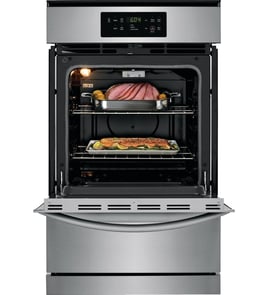



Does anyone make a 30 gas wall oven?
Yes. Several manufacturers make 30-inch gas wall ovens, but your Kenmore model 91130169792 is a 24-inch gas built-in wall oven, so a 30-inch replacement is a different size class and usually requires cabinet cutout changes and a gas hookup check. Use the 91130169792 owner's manual to confirm what you have now before shopping.
- Cabinet cutout size: 30-inch units typically need a wider and sometimes taller cutout.
- Gas type: many ovens ship set up for natural gas; LP conversion requires the correct procedure.
- Electrical supply: even gas ovens need power for controls, igniter, and oven light.
- Ventilation and clearances: built-in ovens need proper airflow around the chassis.
- Door swing and handle clearance: make sure it will open fully without hitting adjacent cabinets.
Most 30-inch gas wall ovens are built-in units with a wider cavity and trim; they are not interchangeable with a 24-inch opening without carpentry.
| Feature to compare | 24-inch built-in gas wall oven (like 91130169792) | Typical 30-inch gas wall oven |
|---|---|---|
| Cabinet cutout | Smaller | Larger |
| Installation effort | Usually direct replacement | Often requires cabinet modification |
| Gas hookup | Natural gas or LP (with conversion) | Natural gas or LP (with conversion) |
Sizing is the number one reason wall oven swaps go wrong. A 30-inch gas wall oven can be a great upgrade, but the cabinet cutout, clearances, and gas type setup must match the new oven’s requirements to avoid poor fit, overheating, or ignition problems.
Last updated: January 2026
How to find wall oven model number?
On the Kenmore wall oven model 91130169792, the model and serial number label is located on the front frame behind the oven door. Open the oven door fully and look along the front frame area where the door closes against the oven.
- Open the oven door and inspect the front frame behind the door (most common location for this model).
- Check the left and right sides of the front frame near the door hinge area.
- Look along the top edge of the front frame behind the door.
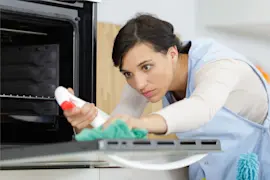
- Wipe the area with a damp cloth; grease can hide the printed label.
Some wall ovens also place the rating label in nearby, easy-to-miss spots:
- Around the door rim (the edge of the oven cavity opening).
- On an interior side panel inside the oven cavity.
- Behind the broiler drawer area (if your unit has a broiler drawer).
| Item on label | What it’s used for |
|---|---|
| Model number | Matching the correct parts and diagrams |
| Serial number | Identifying production series for service |
| Gas and electrical ratings | Confirming supply requirements |
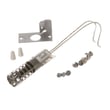
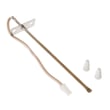
We use the exact model number to match the correct Kenmore wall oven parts (like an igniter, gas control valve, or door glass) and to ensure repair instructions and wiring information line up with your specific build.
For a diagram-style view of the oven features and label location, check the 91130169792 owner’s manual.
Last updated: January 2026
What is the disadvantage of a wall oven?
A wall oven like the Kenmore 91130169792 is convenient and space-saving, but the biggest disadvantages are higher total cost (appliance plus built-in installation), harder access for service, and the need for a separate cooktop. Placement height can also affect comfort when lifting heavy dishes.
- Higher upfront cost: You are typically paying for a built-in cabinet cutout, gas hookup, and sometimes electrical work.
- More complex service access: Built-in ovens can require partial removal from the cabinet for some repairs.
- Separate cooktop required: If you want a full cooking setup, you will also need a cooktop, which adds cost and counter planning.
- Ergonomics depend on install height: Too low means bending; too high makes it harder to safely handle heavy roasts.
- Ventilation and heat management: You need proper airflow and you should never block the oven vent.
Use the owner's manual to confirm operating and safety details that affect day-to-day usability, including ventilation guidance and safe cooking practices.
Also keep these practical points in mind:
- Avoid lining the oven bottom with foil; it can restrict heat flow and damage finishes.
- Expect the oven burner not to light during a power failure; do not attempt match-lighting.
- If you see an “F” code, clear it and retry after about an hour; if it repeats, record the code for service.
| Feature | Wall oven | Freestanding range |
|---|---|---|
| Installation | Built-in cabinet cutout | Typically simpler hookup |
| Cooktop included | No | Yes |
| Service access | Often harder | Often easier |
| Ergonomics | Depends on mounting height | Fixed height |
Most “wall oven disadvantages” show up after purchase: installation complexity, service access, and kitchen layout constraints. Planning for cabinet space, ventilation, and safe loading height helps you avoid frustration and reduce the risk of spills or burns.
Last updated: January 2026