Owner’s manual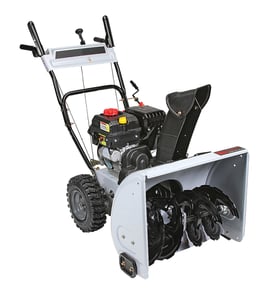


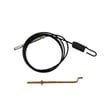
How long do gas snow blowers last?
Most gas snow blowers last 10 to 15 years with normal seasonal use and routine maintenance. For the Yard-Man 31AH7L3G701, following the maintenance, adjustment checks, and off-season storage steps in the 31AH7L3G701 owner's manual helps you get full life from the engine, auger/impeller, and drive system.
What affects lifespan the most
- Maintenance frequency: checking controls, belts, and wear items before and during the season
- Storage habits: clearing snow from the machine before storage to prevent freeze-up
- Operating conditions: gravel, packed snow, and heavy drifts increase wear
- Wear parts condition: skid shoes, shave plate, friction components, and belts
- Fuel handling: safe fueling practices and proper off-season fuel storage
Maintenance milestones to plan for
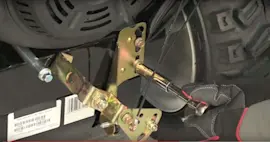
The manual calls out periodic checks that directly impact longevity, especially clutch and auger control operation.
| When to check | What to inspect | Why it matters |
|---|---|---|
| Before each season | Auger control engagement and full stop test | Prevents unsafe drag and reduces drivetrain wear |
| During the season | Skid shoe and shave plate height/condition | Protects housing and improves scraping performance |
| Every 25 hours | Friction wheel rubber condition | Worn rubber causes slipping and accelerates drive wear |
| End of season | Clear snow from machine before storage | Helps prevent auger/impeller freeze-up |
Parts that commonly wear out first
If performance drops (poor throwing, slipping drive, scraping issues), these are common wear items to check and replace as needed:
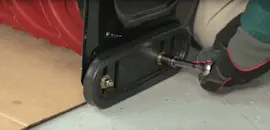
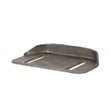
- Skid shoe 784-5580-0637
- Shave plate (edge wear and uneven scraping)
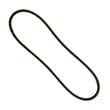
- Auger drive belt (cracking, glazing, stretching)
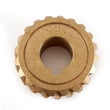
- Friction wheel rubber (cracking, chunking, slipping)
Why it matters
A snow blower that is maintained and adjusted correctly throws snow more efficiently, starts more reliably, and avoids premature failures in the auger/impeller and drive systems. That is what typically separates a 10-year machine from a 15-year machine.
Last updated: January 2026
What happens if you don't drain gas from a snowblower?
If you do not drain (or properly stabilize) gas in your Yard-Man 31AH7L3G701 snowblower before storage, the fuel can go stale and cause hard starting, rough running, or a no-start condition next season. The troubleshooting guidance for this model specifically calls out stale fuel and recommends refilling with clean, fresh gasoline.
What stale gas does to a snowblower
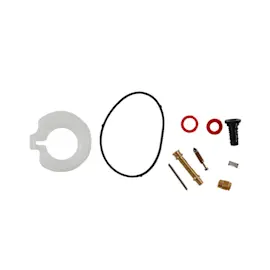
Gasoline breaks down over time; as it ages, it can leave deposits that restrict fuel flow and affect carburetor operation. On 31AH7L3G701, stale fuel is a common cause of “engine fails to start” and “engine runs erratic.”
Common symptoms after storage include:
- Engine will not start even with choke and priming
- Engine starts but surges or runs unevenly
- Loss of power under load
- Fuel line restriction or blockage
- Water or dirt contamination showing up as rough running
What we recommend for model 31AH7L3G701 before storing
Follow the off-season storage steps in the 31AH7L3G701 owner's manual. This model’s manual also emphasizes safe fuel handling and not storing the machine or fuel container near ignition sources.
A practical storage checklist:
- Run the machine a few minutes to clear snow from the auger and impeller area
- Shut the engine off and let it cool before handling fuel
- Use an approved gasoline container for any drained fuel
- Keep fuel away from flames, sparks, pilot lights, and heaters
- Plan ahead so you start next season with fresh gasoline
Quick reference: fuel condition and what to do
| Fuel situation | What you will notice | What to do next |
|---|---|---|
| Fresh fuel (recent) | Normal starting and power | Use as normal |
| Stale fuel (about 30+ days) | Hard start, rough running | Drain tank and carburetor; refill with fresh gas |
| Contaminated fuel (water/dirt) | Erratic running, stalling | Drain system; refill with fresh gas |
Why it matters
Old fuel is one of the most common, preventable reasons a snowblower will not start after storage. Keeping fuel fresh helps protect the fuel line and carburetor, reduces downtime, and gets your 31AH7L3G701 ready for the first storm.
Last updated: January 2026
What is the most dependable snowblower?
The most dependable snowblower is typically a well-maintained, serviceable two-stage gas unit from a proven brand with strong parts support. For owners of Yard-Man model 31AH7L3G701, dependability comes from correct setup, safe operation, and replacing wear items on time using the 31AH7L3G701 owner's manual.
What “dependable” means for snowblowers
A dependable snowblower starts reliably, throws snow consistently, and keeps traction and control in tough conditions.
- Reliable cold starts and steady engine power
- Strong auger and impeller performance without excessive vibration
- Predictable drive and traction (especially on slopes and gravel)
- Easy access to common wear parts (belts, skid shoes, shave plate)
- Safe operation habits that prevent damage and downtime
How to make a snowblower more dependable (especially in heavy snow)
The operator guidance for this Yard-Man platform focuses on safe, consistent operation that also protects the machine.
- Warm the engine a few minutes before heavy work so it reaches operating temperature
- Clear snow soon after it falls; deep, packed snow strains belts and driveline parts
- Overlap passes and discharge downwind for smoother load on the auger/impeller
- Stop and inspect if you feel abnormal vibration; address damage before continuing
- Never run the engine indoors or in poor ventilation (exhaust is dangerous)
Setup that improves performance on gravel, packed snow, and transport
This model family uses skid shoes and operating positions to match conditions.
| Condition | Recommended setup | Why it helps |
|---|---|---|
| Gravel or crushed rock | Raise the front slightly; adjust skid shoes down | Reduces picking up gravel and damaging the housing |
| Normal snow | Skid shoes about 1/4 inch below the shave plate | Balances scraping and protection |
| Hard-packed or icy snow | Adjust skid shoes upward (lower shave plate) | Improves scraping and bite |
Parts that commonly affect “dependability”
If performance drops, these wear items are frequent causes on two-stage machines.
- Snowblower auger drive belt 754-0430B: slipping, squealing, weak throwing
- Skid shoes: uneven scraping, poor control on gravel
- Shave plate: poor clean-down, increased housing wear
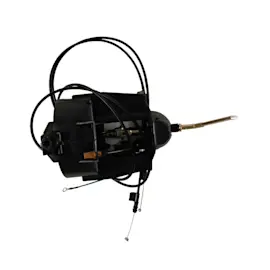
- Cables and friction components: inconsistent drive engagement
Why it matters
A “dependable” snowblower is usually the one that is set up correctly for the surface, operated at a steady pace, and maintained so wear parts do not fail mid-storm.
Last updated: January 2026