 Installation guide
 Owner’s manual




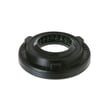
How to force GE washer to drain and spin?
On the GE GTWN3000M0WS washer, the quickest way to force a drain and spin is to select a cycle that includes draining, then start it; if the washer will not drain, focus first on the drain path (hose, pump, and installation height) because the washer cannot spin out water until it can pump water out.
Fast steps to drain and spin
- Press Power to wake the control.
- Turn the cycle selector to a drain/spin type option (wording varies by cycle knob).
- Set Spin to the desired speed (if your model offers a spin-speed option).
- Press Start/Pause to begin.
- If the tub is still full after a few minutes, cancel the cycle and check the drain setup before retrying.
For cycle and control details specific to your washer, use the GTWN3000M0WS owner's manual.
If it will not drain, check these common causes
A drain-and-spin cycle fails most often because the washer cannot move water out fast enough.
- Drain hose height: The standpipe or laundry tub drain must be at least 30 inches high and no more than 8 feet above the washer base.
- Standpipe size: Use a standpipe with 1-1/2 inch minimum inside diameter and keep it open to atmosphere.
- Kinked or crushed hose: Straighten the hose behind the washer.
- Clogged pump or obstruction: Coins, socks, or debris can block the pump.
- Weak or failed pump: If you hear humming but get little or no water flow, the pump can be the issue.
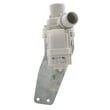
If you suspect a pump problem, the correct replacement for this model is the washer drain pump assembly WH23X10030.
Quick drain setup checklist (specs)
| Item | What to use | Why it matters |
|---|---|---|
| Drain discharge height | 30 in. minimum | Prevents siphoning and drain errors |
| Max drain height | 8 ft maximum | Prevents pump overload and slow draining |
| Standpipe diameter | 1-1/2 in. minimum | Helps prevent overflow and backups |
These installation requirements are also covered in the installation guide.
Why it matters
A washer must drain properly before it can reach full spin speed. When water stays in the tub, the GE GTWN3000M0WS may pause, stop, or never ramp up to spin, leaving clothes soaking wet.
Ordering the right parts
We list model-matched parts for the GE GTWN3000M0WS on this page; for broader model searches and ordering, use Sears PartsDirect.
Last updated: February 2026
Is 3.8 cu ft a big washer?
For a top-load washer, 3.8 cu. ft. is a medium-large capacity. For your GE GTWN3000M0WS specifically, the rated capacity is 3.6 DOE cu. ft., which still fits the same medium-large class for everyday family laundry and most bedding.
Capacity: what to expect for GTWN3000M0WS
A 3.6 to 3.8 cu. ft. top-load washer typically handles:
- Regular weekly laundry for 2 to 4 people
- Mixed loads (T-shirts, jeans, towels)
- Queen sheets and many comforters (depending on thickness)
- Medium bulk items like hoodies and small blankets
Very bulky items (especially thick king comforters) often wash better in 4.5 cu. ft. and larger tubs because they need more room to move.
Quick capacity comparison
| Washer capacity (cu. ft.) | Common label | Typical best use |
|---|---|---|
| 2.8 to 3.4 | Medium | Singles, couples, lighter loads |
| 3.5 to 4.2 | Medium-large | Families, towels, most bedding |
| 4.5+ | Large to extra-large | Bulky items, king comforters, big loads |
Tips to get the most from a medium-large tub
- Load loosely; do not pack clothes down.
- Keep loads balanced; mix large and small items.
- Choose the right cycle and water level for the fabric.
- If it bangs or walks, redistribute the load and level the washer.
- Confirm the drain setup meets requirements (standpipe height, hose routing) in the installation guide.
Why it matters
Washer capacity affects cleaning and spin performance. Overloading reduces agitation and rinsing, and it increases vibration, which can speed up wear on suspension and drive components.
If you need repair parts for GTWN3000M0WS, common items to check for vibration or spin issues include the washer suspension rod kit WH16X543 and the belt WH1X2026. You can also search by model on Sears PartsDirect.
Last updated: February 2026
What is the life expectancy of a GE washing machine?
Most GE washing machines, including the GE GTWN3000M0WS top-load washer, typically last 10 to 14 years with normal household use. Consistent maintenance, correct installation, and avoiding chronic overloads are the biggest factors that help your washer reach the high end of that range.
What affects washer lifespan the most
We see these items make the biggest difference in how long a washer runs reliably:
- Load size and balance: frequent overloading or washing heavy, unbalanced loads speeds up wear.
- Vibration control: install on firm flooring to reduce spin-cycle stress.
- Water conditions: very hard water and sediment can shorten valve, pump, and seal life.
- Drain setup: the drain discharge height should be at least 30 inches and no more than 8 feet above the washer base.
- Electrical supply: use a properly grounded 115V, 15- or 20-amp outlet (no extension cords).
For installation details that directly impact vibration and long-term wear, follow the installation guide.
Quick maintenance checklist (high impact, low effort)
- Keep loads below the top of the tub and distribute items evenly.
- Use the right amount of HE detergent (too much can cause residue and odors).
- Periodically run a hot wash (when safe for fabrics) to help reduce buildup.
- Check hoses and clamps for seepage; address small leaks early.
- If you notice new roaring or grinding during spin, inspect wear items such as the tub bearing WH2X1198 and washer tub seal WH02X10383.
Common “end-of-life” symptoms and likely wear areas
| Symptom | Common wear area | What it can lead to |
|---|---|---|
| Loud rumble in spin | Bearing or tub support | Worsening noise, poor spin |
| Water under washer | Tub seal, hose, pump | Floor damage, corrosion |
| Excessive shaking | Suspension parts, leveling | Out-of-balance shutdowns |
| Won’t drain | Drain pump or blockage | Wet loads, cycle stopping |
Why it matters
A washer that is level, stable, and correctly plumbed runs with less vibration and strain. That reduces wear on the drive system, suspension, and tub components, which are some of the most expensive repairs on a top-load washer.
You can order replacement parts for your GE GTWN3000M0WS from the parts list for this model, or search by model number on Sears PartsDirect.
Last updated: February 2026


