Owner’s manual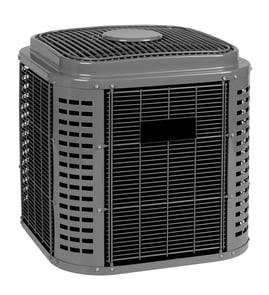



How do I reset my central AC not blowing cold air?
To reset your Icp N2A342AKA100 central AC when it is not blowing cold air, turn the thermostat to OFF, shut OFF power at the outdoor disconnect and the breaker, wait 3 to 5 minutes, then restore power and set the thermostat to COOL. Follow the start-up steps in the owner's manual.
- Set the thermostat system switch to OFF.
- Turn OFF power at the outdoor disconnect (and the indoor air handler/furnace switch if present).
- Turn OFF the dedicated breaker for the outdoor unit.
- Wait 3 to 5 minutes (this clears control glitches and lets pressures equalize).
- Turn ON the breaker and all disconnects.
- Set thermostat to COOL and set the temperature at least 3 to 5°F below room temperature.
A reset only helps if the issue is a control lockout or a temporary electrical condition. If the air is still warm after 10 to 15 minutes of run time, these are the most common next checks:
- Thermostat call for cooling: confirm COOL mode and a low setpoint.
- Outdoor unit airflow: remove debris and keep at least 18 inches of clearance around coil air inlets.
- Indoor airflow: replace a dirty filter and make sure supply registers are open.
- Outdoor fan and compressor operation: if the fan is not spinning or the unit hums, a failed run capacitor is common.
- Electrical issues: loose wiring, low voltage, or a failed contactor can prevent the compressor from running.
| What you notice | Likely direction | What we recommend next |
|---|---|---|
| Outdoor unit runs but air is not cold | Charge/airflow issue | Check filter, coil clearance, then have refrigerant charge checked |
| Outdoor fan not running | Fan/capacitor issue | Inspect fan blade for damage; test capacitor |
| Clicking or buzzing, no compressor | Contactor/capacitor/voltage | Check for a failed central air conditioner contactor 1172472 or capacitor |
| Unit starts then stops quickly | Pressure switch or electrical protection | Verify airflow and coil cleanliness; check wiring and safeties |
Running a central air conditioner with poor airflow (dirty filter, blocked outdoor coil) can lead to icing, high pressures, and repeated shutdowns. A proper reset plus basic airflow checks often restores cooling and helps prevent compressor stress.
Last updated: February 2026
How many sq ft will a 2-ton AC unit cool?
A 2-ton central AC (about 24,000 BTU/hr) typically cools about 900 to 1,200 sq. ft. in average conditions. For your Icp N2A342AKA100 split-system air conditioner, the right answer depends on your home’s heat load (insulation, windows, ceiling height, sun exposure, and local climate), so sizing is best confirmed with a load calculation.
Use this as a starting point, then confirm with a proper load calculation.
- Mild climates, good insulation: often 1,100 to 1,300 sq. ft.
- Moderate climates, average insulation: often 900 to 1,200 sq. ft.
- Hot/humid climates or poor insulation: often 700 to 1,000 sq. ft.
- High ceilings, lots of glass, west-facing sun: expect coverage to drop
- Tight, shaded homes: coverage can increase
Two homes with the same square footage can need very different cooling capacity. These factors change the load the most:
- Insulation level and air sealing (attic, walls, duct leakage)
- Window size, type (single vs. double pane), and shading
- Ceiling height and open floor plans
- Number of occupants and heat-producing appliances
- Local design temperatures and humidity
Even a correctly sized 2-ton unit will cool poorly if airflow, charge, or installation details are off.
| What to check | What “good” looks like | What it affects |
|---|---|---|
| Outdoor unit clearance | About 48 in. above and 18 in. around the coil (one side can be reduced to 6 in. in some installs) | Capacity, head pressure, efficiency |
| Line set length | Total line set typically must stay at or under 200 ft | Oil return, performance |
| Buried line set | Do not bury more than 36 in.; add a 6 in. vertical rise at the service valve if any section is buried | Compressor protection |
| Start-up procedure | If equipped with a crankcase heater, energize it and wait 24 hours before start-up | Prevents damage at start-up |
(These installation and start-up details are covered in the owner's manual.)
If a 2-ton system is undersized, it can run continuously and still struggle on the hottest days. If it’s oversized, it can short-cycle, remove less humidity, and wear parts faster (like the capacitor or contactor).
Last updated: February 2026
What is the average lifespan of a central air conditioning unit?
Most central air conditioning units last 15 to 20 years with proper installation, correct refrigerant charge, and routine maintenance. For your Icp N2A342AKA100 split-system air conditioner, following the maintenance and clearance guidance in the owner's manual helps you get the full expected service life.
Lifespan depends heavily on climate, run time, and maintenance. Here are the most common expectations:
- 15 to 20 years for most modern central AC systems
- 10 to 12 years for older systems or units with poor maintenance history
- Shorter life is common when the outdoor coil stays dirty or airflow is restricted
- Longer life is common when clearances are maintained and the system is kept clean
| Unit condition | What we typically see | What to do now |
|---|---|---|
| Well maintained | 15 to 20 years | Keep coil clear, keep airflow open |
| Average maintenance | 12 to 15 years | Improve cleaning and airflow checks |
| Neglected or restricted airflow | 8 to 12 years | Correct airflow and electrical issues promptly |
The outdoor unit needs steady airflow and a clean coil to avoid high pressures and long run times.
- Keep shrubs, fences, and objects at least 18 inches away from coil inlets
- Maintain about 48 inches above the unit for discharge air clearance
- Keep the coil free of grass clippings, leaves, and debris
- Make sure condensate drainage flows freely during the cooling season
- Address electrical wear early (pitted contacts, weak capacitor, overheating)
A central AC that runs with restricted airflow or a dirty coil works harder, runs hotter, and can trip on pressure or overload conditions. That extra stress reduces compressor life and increases the chance of mid-season breakdowns.
If you are troubleshooting hard starts, buzzing, or the outdoor fan not running, these are common wear items for this model:
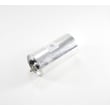
- Capacitor CAP050550440RTP
- Central air conditioner contactor 1172472
- Central air conditioner condenser fan blade 1172713
Last updated: February 2026
What is the best brand of 2-ton AC?
There is no single “best” 2-ton AC brand for every home; the best choice is the one that matches your ductwork, indoor coil/air handler, climate, and installer setup. For your Icp N2A342AKA100 split-system air conditioner, we focus on correct sizing, airflow, and proper installation clearances to deliver reliable cooling.
We recommend comparing these factors first; they matter more than the logo on the cabinet:
- Efficiency rating (SEER2): higher SEER2 typically lowers operating cost.
- Compressor type: single-stage, two-stage, or inverter (variable speed).
- Sound level: outdoor unit dB ratings vary by model line.
- Parts availability: contactors, capacitors, and fan blades should be easy to source.
- Installer quality: correct refrigerant charge, electrical wiring, and airflow setup.
Even a top-tier unit underperforms if installation basics are off. The N2A342AKA100 manual calls out key items such as location and clearances.
Typical outdoor-unit clearance targets (confirm for your exact setup in the N2A342AKA100 owner's manual):
| Area around outdoor unit | Typical minimum clearance |
|---|---|
| Above unit (discharge air) | 48 in. |
| Coil sides (intake air) | 18 in. |
| One restricted side (if allowed) | as low as 6 in. |
A correctly sized and installed 2-ton system runs longer, steadier cycles, controls humidity better, and avoids nuisance trips. Many “brand problems” are actually caused by low voltage, incorrect refrigerant charge, restricted airflow, or poor clearances.
If you are maintaining or repairing the outdoor unit, these are common wear items we see on central air conditioners:
- Capacitor CAP050550440RTP (helps start and run the compressor and fan motor)
- Central air conditioner contactor 1172472 (switches high voltage to the compressor/fan)
- Central air conditioner condenser fan blade 1172713 (moves air through the condenser coil)
Last updated: February 2026
What is the most common part to fail on an AC unit?
On most central AC units (including Icp split-system models like N2A342AKA100), the most common failures are in the electrical starting and switching parts, especially the run capacitor and the contactor. These parts handle frequent start cycles and high electrical load, so they wear out sooner than major components.
- Run capacitor: outdoor fan or compressor will not start, humming, hard starts
- Contactor: outdoor unit will not turn on, intermittent cooling, chattering/buzzing at the control box
- Condenser fan issues (motor or blade): poor airflow, overheating, loud vibration, system pressure trips
- Fuses/breakers or disconnect issues: unit completely dead, no outdoor operation
- Wiring/connection problems: intermittent operation, burned terminals, low-voltage faults
For this model, the manual’s troubleshooting and sequence of operation show the thermostat energizes the contactor to start the outdoor fan motor and compressor; when that switching fails, cooling stops. See the N2A342AKA100 owner's manual for the operating sequence and diagnostic guidance.
| Symptom at outdoor unit | Common suspect | Example part for N2A342AKA100 |
|---|---|---|
| Hums, fan or compressor will not start | Run capacitor | Capacitor CAP050550440RTP |
| No click, no outdoor start on a call for cooling | Contactor | Central air conditioner contactor 1172472 |
| Loud wobble, poor airflow, overheating | Fan blade damage | Central air conditioner condenser fan blade 1172713 |
A weak capacitor or pitted contactor can cause short cycling, long run times, overheating, and nuisance trips. Fixing the small electrical part early often prevents bigger damage to the compressor and improves reliability.
- Turn off power at the disconnect and breaker before opening the outdoor unit.
- Capacitors can hold a charge; discharge safely before handling.
- If your unit has a diagnostic module, follow the LED flash-code troubleshooting in the N2A342AKA100 owner's manual.
Last updated: February 2026