Error Codes


Are Whirlpool washer parts interchangeable?
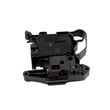
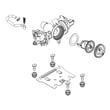
Some Whirlpool washer parts are interchangeable, but only when the replacement is listed as compatible with your exact model, WFW6605MC0. Even within Whirlpool, similar-looking parts can have different connectors, mounting points, or software revisions, so we match by model and part ID, not appearance.
Parts interchange when they are the same design and specs for your washer’s platform. For a front-load Whirlpool washer like WFW6605MC0, these are the most common reasons a “close” part will not work:
- Different wire harness plug style or pin layout (door lock, pump, valves)
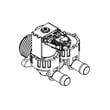
- Different flow rate or coil resistance (water valve)
- Different pressure range or hose routing (pressure sensor and hose)
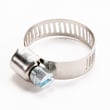
- Different mounting tabs, hose diameters, or clamp locations (drain hose, bellow)
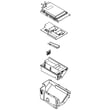
- Control board programming or revision differences (ACU)
If you are troubleshooting a symptom (won’t drain, won’t fill, door won’t lock), we recommend starting with the exact part listed for WFW6605MC0:
- Draining issues: washer drain pump assembly W11458345
- Filling issues: water valve W11688995
- Door won’t lock or won’t start: ha15g janus- W11565030
| What to match | Best match method | Why it matters |
|---|---|---|
| Electrical parts (pump, valve, lock, ACU) | Model number + part ID | Prevents plug, voltage, and revision mismatches |
| Hoses and bellows | Model number + part ID | Prevents leaks from wrong diameter or port location |
| Hardware (screws, clamps) | Size and application | Prevents vibration, rubbing, and loosening |
Using a non-matching part can cause leaks, no-fill/no-drain errors, door lock faults, or repeat failures. Matching to WFW6605MC0 protects fit, performance, and safe operation.
Last updated: February 2026
What does E01 and F09 mean on a Whirlpool washer?
On the Whirlpool WFW6605MC0 washer, error code E01 F09 means the washer is taking too long to drain (a long-drain condition). In most cases, the fix is clearing a drain restriction or addressing a failing drain pump so the tub can empty within the expected time.
- Unplug the washer for 1 minute to reset, then try a Drain/Spin cycle.
- Check the drain hose for kinks, crushing, or a tight bend behind the washer.
- Verify the standpipe or laundry tub is not clogged and is accepting water quickly.
- Make sure the drain hose is not shoved too far down the standpipe (it can cause siphoning or slow drain).
- If you recently washed a rug or heavy item, check for lint, coins, or debris causing a partial blockage.
Long-drain errors usually come from a restriction in the drain path or a pump that cannot move water efficiently.
| Symptom you notice | Most likely cause | What usually fixes it |
|---|---|---|
| Water remains in tub, pump sounds loud or grinding | Debris in pump or worn pump | Inspect/replace washer drain pump assembly W11458345 |
| Drains slowly, sometimes completes | Partial clog in hose/standpipe | Clear hose/standpipe; check clamps like clamp WP596669 |
| Stops mid-cycle with water in tub, door stays locked | Drain not reaching pressure reset level | Clear restriction; check pump and pressure system |
When the washer cannot drain, it cannot safely advance to high-speed spin. Clearing the drain path protects the motor system, reduces odor from standing water, and helps prevent repeat error codes.
Replace the drain pump when you have repeated E01 F09 errors after clearing the hose and standpipe, or when the pump is noisy and still leaves water behind. For model-correct troubleshooting steps by code family, use our Whirlpool duet high efficiency front load washer error codes guide.
Last updated: February 2026
What is the average lifespan of a Whirlpool dryer?
Whirlpool dryers last 10 to 13 years with normal household use. Even though WFW6605MC0 is a Whirlpool washer model, dryer lifespan is driven by heat and airflow management (venting), load habits, and timely replacement of wear parts.
- Average: 10 to 13 years
- With consistent maintenance: 14 to 17 years
- Most common life-shorteners: restricted venting, chronic overloading, frequent high-heat cycles
- Most common wear items: belt, drum rollers, idler pulley, thermal fuse, heating element (electric)
| Usage and maintenance | Expected lifespan | What usually fails first |
|---|---|---|
| Normal loads, vent kept clear | 10 to 13 years | Belt, rollers, idler pulley |
| Light use, excellent venting | 14 to 17 years | Wear parts over time |
| Heavy use, restricted venting | Under 10 years | Overheat-related parts, motor strain |
- Clean the lint screen every load
- Keep the exhaust vent run short, smooth, and clear; clean it on a regular schedule
- Avoid overloading so clothes tumble freely and dry faster
- Use the lowest heat that dries effectively; high heat accelerates wear
- Address new noises early (squeal, thump, scraping) to prevent bigger failures
A dryer that cannot move air efficiently runs hotter and longer; that increases stress on the motor and heat-related components and shortens overall service life.
If you are also maintaining your Whirlpool washer, our washer-care tips in how to use your washing machine efficiently help reduce wear from oversudsing, heavy loads, and poor cycle selection.
Last updated: February 2026
What is the most common problem with front load washers?
The most common problem we see with front load washers (including Whirlpool model WFW6605MC0) is odor caused by moisture, detergent residue, and mildew buildup around the door opening and gasket area. Leaks and drain issues are also frequent, especially when the drain path is restricted.
- Musty smell or visible mildew: moisture trapped at the door opening; too much detergent or too many cold washes
- Water leaking at the front: door boot not sealing, debris on the sealing surface, or a torn boot (often the bellow, d412 W11314648)
- Washer will not drain: clogged pump filter, blocked drain hose, or a failing pump (often the washer drain pump assembly W11458345)
- Won’t start or won’t lock: door lock or strike alignment issue (check strike, door W11316914)
- Long cycle times: oversudsing, load imbalance, or restricted draining
- Wipe the door opening and gasket folds dry after the last load of the day.
- Leave the door slightly open between loads to let the tub dry.
- Run a monthly cleaning cycle (or a hot cycle with an approved washer cleaner).
- Use HE detergent and reduce the amount if you see excess suds.
- Check pockets and remove debris that can end up in the drain system.
| Symptom | Most likely area | Parts that often solve it (for WFW6605MC0) |
|---|---|---|
| Musty odor, mildew | Door opening and boot | Bellow, d412 W11314648 |
| Water on floor (front) | Door seal/boot | Bellow, d412 W11314648 |
| Won’t drain, standing water | Drain pump or drain hose | Washer drain pump assembly W11458345, hose assy-dr W11549455 |
| Won’t fill or fills slowly | Inlet valve or hoses/screens | Water valve W11688995, washer fill hose set 8212545RP |
Odor and mildew are more than a nuisance; they are a sign the washer is staying wet too long. Keeping the door area dry and the drain system flowing freely helps prevent leaks, reduces service calls, and keeps wash performance consistent.
Last updated: February 2026