



Can you still get parts for Homelite chainsaws?
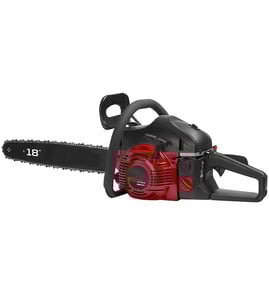
Yes. We still offer replacement parts for Homelite chainsaws, including the Homelite UT-10618 automatic oiling chainsaw. The most reliable way to get the right part is to match your exact model number and then choose the part from the UT-10618 parts list.
Availability varies by model and production run, but hardware and wear items are often the easiest to source. For UT-10618, examples of parts we list include:
- Washer 84065 (fastener hardware used in assemblies)
- Bolt 69195 (mounting hardware)
- Hex nut 81117 (threaded fastener)
- Bearing UP05641 (supports rotating components)
- Screw 96620 (general mounting screw)
Small-engine parts can look similar but differ by thread pitch, length, or fit. We recommend these checks before ordering:
- Confirm the model number is UT-10618 on the saw’s ID tag
- Compare the part name and part ID to your parts diagram callout
- Replace matching fasteners as a set when needed (bolt, washer, nut)
- Inspect for stripped threads, cracks, or heat damage before reusing hardware
- If you are resealing a joint, use the specified sealant type for small engines
| If you need to… | Typical symptom | Example part on this model |
|---|---|---|
| Replace missing mounting hardware | Loose cover, handle, or guard | Screw 96620 or bolt 69195 |
| Stop wobble or rough rotation | Vibration, noise, uneven wear | Bearing UP05641 |
| Reassemble a joint correctly | Parts won’t clamp tight | Washer 93862 and hex nut 81117 |
Using the correct UT-10618 parts helps maintain safe chain control, proper bar alignment, and reliable automatic oiling. Incorrect fasteners or worn bearings can cause vibration, loosening, and accelerated wear.
Last updated: February 2026
How to tell the age of a Homelite chainsaw?
For a Homelite UT-10618 chainsaw, the reliable way to determine age is to use the serial number from the ID label and interpret it as a date code (when present). The UT-10618 model number identifies the parts family; the serial number is what ties to a build timeframe.
Look for a model and serial label on the saw body; it is most often near the rear handle, starter housing, or fuel tank area.
- Wipe off oil and sawdust so every digit is readable
- Record the full model number (UT-10618) and the entire serial number
- Take a clear photo for your records
- If the label is damaged, check for a stamped number on the crankcase area
Homelite used more than one serial format across production years. Use the serial number length and any leading digits to choose the correct interpretation.
| Serial number pattern you have | How it’s commonly interpreted | What you do |
|---|---|---|
| 8 digits | Often a date code; the beginning commonly represents the year, followed by day-of-year | Read the first portion as the year, then convert the remaining digits to a calendar date |
| 6 digits | Often an older format; prefixes and sequences indicate an era | Use the first digit(s) as an era clue, then compare to known Homelite serial ranges |
| Missing or unreadable | No direct date code available | Use physical features and parts configuration to narrow the timeframe |
These checks help confirm you decoded the serial correctly.
- Chain brake style and handle design
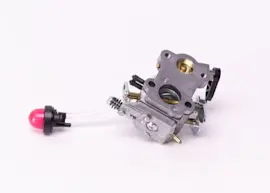
- Primer bulb presence and carburetor layout
- Fastener type (Torx, hex, slotted)
- Bar mount pattern and tensioner location
- Label material (foil tag vs. printed decal)
Age affects parts compatibility on a UT-10618, especially for small hardware and assemblies. Matching the correct diagram and revision helps avoid ordering look-alike items that do not fit, such as a bolt 69195 or washer 84065.
Last updated: February 2026
Is the Homelite chainsaw good or bad?
Homelite chainsaws like the UT-10618 are a good choice for light homeowner cutting (limbing, small firewood, storm cleanup) when they’re maintained and used within their limits; they’re a bad choice for daily, heavy-duty cutting where long run time and maximum durability matter most.
We consider this model a solid fit when your priorities are basic performance and occasional use.
- You cut smaller diameter wood most of the time
- You run the saw in shorter sessions (not all day)
- You keep the chain sharp and the bar oiler working
- You use fresh, properly mixed fuel and store it correctly
- You want a homeowner-grade automatic oiling chainsaw for typical yard work
Most complaints we see on homeowner gas chainsaws come from a few predictable issues that show up faster with hard use.
- Hard starting from old fuel or carburetor varnish
- Chain dulling quickly from dirt contact or improper sharpening
- Poor cutting from incorrect chain tension or a worn bar/chain
- Oiling problems that overheat the bar and chain
- Loose fasteners and vibration-related wear (common on any chainsaw)
Before you judge the saw, these steps usually make the biggest difference.
- Verify bar oil level and that oil is reaching the bar (look for a light oil line on cardboard)
- Set chain tension so the chain snaps back to the bar but still pulls by hand (with gloves)
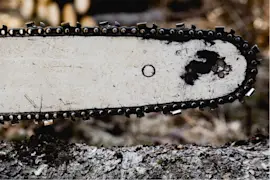
- Clean the bar groove and oil hole; packed sawdust blocks oil flow
- Tighten mounting hardware; replace missing fasteners like a bolt 69195 or hex nut 81117
- Inspect for play or roughness in rotating points; a worn bearing UP05641 can add drag and heat
| Use case | Our take | Why |
|---|---|---|
| Occasional pruning and limbing | Good | Light duty matches homeowner design |
| Storm cleanup a few times a year | Good | Works well when maintained and sharp |
| Cutting dirty logs on the ground | Bad | Dulls chain fast; stresses bar/engine |
| All-day firewood cutting | Bad | Heavy-duty use accelerates wear |
Chainsaws are very sensitive to maintenance. A sharp chain, correct tension, and reliable automatic oiling determine whether the UT-10618 feels strong and safe or weak and frustrating. Small parts (washers, bolts, nuts) also matter because vibration can loosen hardware over time.
Last updated: February 2026
What happened to Homelite chainsaws?
Homelite chainsaws did not disappear; the brand changed ownership and shifted focus. Homelite was acquired by John Deere in 1994, then Techtronic Industries acquired Homelite from John Deere in 2001, and the lineup moved mainly toward consumer lawn and garden tools and light-duty chainsaws.
Even though Homelite’s product mix changed over time, we still support repairs by helping you match the correct replacement parts to your UT-10618 automatic oiling chainsaw using the model-based parts list.
- Use the full model number UT-10618 when identifying parts to avoid fit issues.
- Expect many repairs to be routine hardware and wear items (fasteners, washers, bearings).
- Replace missing or damaged fasteners with the correct size and grade for safe operation.
- If you are resealing a component, use the correct sealant type and apply it sparingly.
- After any repair, verify chain tension, bar oiling, and that all covers are secured.
These are examples of parts available for this model that often come up during maintenance or reassembly:
| Repair situation | What to check first | Example part on this model |
|---|---|---|
| Missing hardware after service | Match length, thread, and head style | Bolt 69195 |
| Loose cover or handle area | Look for flattened or missing washers | Washer 93862 or washer 84065 |
| Rough rotation or play in an assembly | Inspect for wear, heat discoloration, noise | Bearing UP05641 |
Using the correct UT-10618 parts helps keep the saw assembled correctly and operating safely. Incorrect fasteners or worn bearings can lead to vibration, loosening, poor cutting performance, and premature wear.
Last updated: February 2026