Owner’s manual
 View engine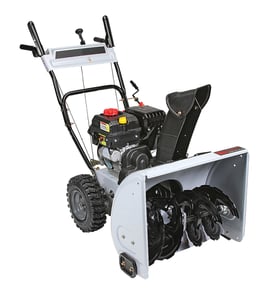


How many years should a snowblower last?
A Craftsman gas snowblower like model 917881151 typically lasts 10 to 20 years with normal residential use and consistent maintenance. Units that get regular oil changes, belt checks, lubrication, and proper off-season storage often reach the high end of that range.
Typical lifespan by snowblower type
Most owners see these ranges when the machine is maintained and not abused:
- Gas, mid to heavy-duty: 10 to 20 years
- Gas, light-duty: 8 to 15 years
- Corded electric: 5 to 10 years
- Battery electric: 5 to 8 years (battery life is usually the limiting factor)
What makes a snowblower last longer
The 917881151 operator guidance emphasizes routine checks and seasonal service. These habits have the biggest impact:
- Check engine oil level before use and monitor it during long sessions
- Change engine oil about every 25 hours of operation or at least once per year
- Replace the spark plug at the beginning of each season or about every 100 hours
- Check belts for wear at least yearly and replace when worn
- Keep fasteners tight and inspect shear bolts and other bolts regularly
- Clean the housing after each use; avoid spraying water into the engine area
For model-specific maintenance intervals and procedures, follow the 917881151 owner’s manual.
Quick maintenance schedule (easy reference)
| Task | Good interval | Why it helps lifespan |
|---|---|---|
| Check oil level | Before each use | Prevents engine damage from low oil |
| Change engine oil | Every 25 hours or yearly | Reduces wear and sludge |
| Replace spark plug | Each season or 100 hours | Improves starting and running |
| Inspect belts | At least yearly | Prevents slipping and overload |
Why it matters
Most “short lifespan” snowblowers fail early from preventable issues: running low on oil, worn belts, lack of lubrication, and poor storage practices (especially storing with fuel indoors near ignition sources). Staying on the manual’s maintenance routine protects the engine, auger/impeller drive, and controls.
Last updated: January 2026
How do I tell what year my snowblower is?
For a Craftsman snow thrower model 917881151, the most reliable way to estimate the year is to use the engine manufacture date code (on the engine shroud, valve cover, or blower housing) and match it to the engine maker’s date-code format; our 917881151 owner's manual also shows where to find key identification information and parts diagrams.
Where to look for the date information
Check these common locations on a gas snowblower:
- Engine ID label on the recoil starter housing or engine shroud
- Stamped code on the valve cover or muffler heat shield area
- Model and serial tag on the snowblower frame (often near the handles or rear frame)
- Carburetor or fuel tank area for an emissions label (sometimes includes a date)
How to use the engine code to get the year
Many small engines use a date code where the first digits indicate the year (the exact format depends on the engine brand). Use this quick process:
- Write down the full engine model, type, and code (or serial) exactly as shown
- Decode the manufacture date using the engine manufacturer’s format
- Use that date as the best indicator of the snowblower’s build timeframe
- If the snowblower has had an engine swap, the engine date reflects the engine, not the chassis
Example of a common date-code pattern
Some engines use a code where the first two digits represent the year (for example, a code starting with 99 indicates 1999). Always confirm the pattern for your specific engine brand.
Cross-check using parts diagrams (helpful for older units)
If labels are missing or unreadable, we cross-check by comparing handle, wheel, and control components shown in the parts lists. For example, hardware like a retainer clip 532085179 can help confirm you are looking at the correct parts breakdown for model 917881151.
| What you find | What it tells you | Best next step |
|---|---|---|
| Clear engine date code | Best indicator of year | Decode the code, then record it for future service |
| Missing engine label | Year is harder to pin down | Use frame tag plus parts-diagram match |
| Engine replaced | Engine year may not match unit | Use frame serial tag as primary |
Why it matters
Knowing the year helps us match the correct OEM parts (belts, auger components, controls) and follow the right maintenance schedule, such as checking belts and replacing the spark plug at least yearly as outlined in the manual.
Last updated: January 2026
What is the most common problem with snow blowers?
The most common problem we see on the Craftsman snow thrower model 917881151 is a no-start or hard-start condition, usually tied to fuel issues (old gas, varnish in the carburetor) or ignition maintenance (spark plug). A close second is snow discharge problems from a clogged chute or worn drive/auger components; see the 917881151 owner's manual for model-specific safety and troubleshooting steps.
Most common issues (and what to check first)
- Won’t start / starts then dies: drain old fuel, refill with fresh gas, check spark plug condition.
- Clogged discharge chute: shut engine off, wait for all moving parts to stop, then clear with a clean-out tool.
- Auger or impeller not moving snow well: inspect belts for wear or glazing; check for binding.
- Poor traction or slow drive: check drive control adjustment and friction drive operation.
- Excessive vibration: inspect for loose fasteners and damaged rotating parts.
Quick symptom-to-cause guide
| Symptom | Most likely cause | Best first action |
|---|---|---|
| Engine won’t start | Fuel shutoff closed, stale fuel, spark plug issue | Open fuel valve, replace fuel, check plug |
| Snow won’t discharge | Chute clogged, impeller not spinning fast | Clear chute safely; inspect belt |
| Auger doesn’t turn | Shear bolt issue or belt/drive problem | Inspect auger drive and hardware |
| Drive slows or slips | Friction drive contamination or wear | Check drive control and friction wheel |
Why it matters
Starting and discharge issues are the most common because they are directly affected by storage habits (fuel aging) and operating conditions (wet, heavy snow causing clogs). Fixing these early prevents belt damage, drive wear, and unsafe clearing attempts.
Model-specific tips from the manual
- Never clear a clogged chute by hand; shut the engine off and use a clean-out tool.
- Do not lubricate traction drive components (hex shafts, drive disc, friction wheel); lubrication can contaminate the friction wheel and damage the drive system.
- For storage longer than 30 days, prepare the engine properly (oil service and fuel handling) as outlined in the manual.
Parts that commonly relate to these problems
If you find belt wear or slipping during inspection, the correct replacement for this model is the impeller v-belt 532408007.
Last updated: January 2026
Is it cheaper to repair or replace a snowblower?
Repairing a Craftsman snow thrower like model 917881151 is cheaper when the problem is routine maintenance or a normal wear item (belts, cables, springs, fasteners). Replacing the machine makes more sense when the repair is major drivetrain or engine work and the total cost reaches about half the price of a comparable new snowblower.
Quick decision checklist
- Repair for maintenance items: oil change, spark plug, lubrication, loose fasteners.
- Repair for common wear parts: belts, chute hardware, control cables.
- Replace when the engine has low compression, severe internal damage, or repeated no-start after proper service.
- Replace when the drive system or auger gearbox has major internal failure.
- Replace when the housing or frame is structurally compromised from heavy rust or impact damage.
What the 917881151 manual supports
The 917881151 manual emphasizes seasonal maintenance and periodic adjustments to keep the snowblower dependable. It also states that if the auger and traction drive belts are damaged or begin to slip from wear, they should be replaced (many owners replace both at the same time). Use the 917881151 owner's manual for the maintenance schedule and the belt replacement procedure.
Compare costs using this simple table
| Situation | Usually best choice | What you are paying for |
|---|---|---|
| Oil, plug, lubrication, tune-up | Repair | Low parts cost, quick labor |
| Belt wear or slipping | Repair | Wear part replacement |
| Chute control binding or won’t hold | Repair | Adjustment or small parts |
| Gearbox or drive system major failure | Replace (often) | High parts cost plus labor |
Parts that often keep repairs economical
These are common, lower-cost fixes when the rest of the machine is in good shape:
- Impeller v-belt 532408007 for impeller/auger drive slipping
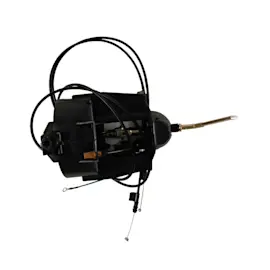
- Cable lever 532428272 if a control lever is bent, broken, or won’t hold engagement
- Snowblower chute deflector tension spring 532184505 if the deflector won’t stay set
Why it matters
Putting money into maintenance and wear parts protects the auger and drive systems, reduces storm-time downtime, and helps you avoid the expensive repairs that typically push a replace decision.
Last updated: January 2026