Owner’s manual



What are the parts of a range hood called?
On a Kenmore range hood like model 23351392710, the main parts are typically the hood body (canopy), the blower and fan, filters, lights, and the control switches. Your exact configuration and service part names are listed in the 23351392710 owner's manual.
Common range hood part names (and what they do)
- Hood canopy (hood body): captures smoke, steam, and grease above the cooktop
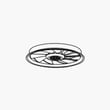
- Blower and fan blade: moves air through the hood (to ducting or back into the room on non-ducted setups)
- Grease filters (micromesh/aluminum): trap grease before it reaches the blower
- Non-ducted (recirculation) filters: reduce odors for non-ducted installations
- Light assembly and LED driver: provides cooktop lighting
- Fan switch and light switch (control panel): turns the fan and lights on and off
- Vent damper (ducted models): helps prevent outside air from flowing back into the kitchen
Parts you may actually replace on model 23351392710
These are common service parts for this Kenmore range hood:
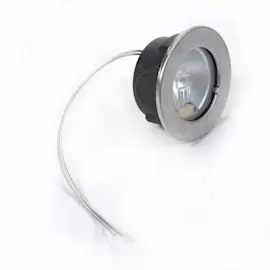
- Range hood light assembly S97020444
- Wire harness S97020449
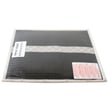
- Range hood non-ducted filter, 2-pack S97020466
- Broan range hood vent damper SR680508
Quick reference: ducted vs. non-ducted parts
| Setup | Airflow path | Parts you will see most often |
|---|---|---|
| Ducted | Vents outdoors | Duct connection, vent damper, grease filters |
| Non-ducted | Recirculates back into kitchen | Grease filters plus non-ducted recirculation filters |
Why it matters
Knowing the correct part name helps you match the right replacement to the symptom. For example, “lights out” often points to the light assembly or LED driver, while “poor airflow” often points to filters, the fan, or the vent damper.
Last updated: February 2026
Can range hoods be repaired?
Yes. Most problems on the Kenmore 23351392710 range hood are repairable by cleaning, tightening, or replacing common service parts (filters, light components, wiring, or venting pieces) and then verifying safe operation using the steps in the owner's manual.
What you can usually repair (and what to check first)
- Fan issues: grease buildup on the fan blade, a loose retainer, or a vent damper that sticks.
- Light issues: failed light assembly or LED driver, or a loose/burned connection.
- Power problems: a damaged harness, loose wire connections, or a tripped breaker.
- Poor airflow: clogged filters, blocked ducting, or a damper that does not open.
- Noise/vibration: dirty fan blade, loose mounting screws, or an unbalanced fan.
Parts that commonly solve repairable symptoms
If cleaning does not fix it, these model-matched parts are often involved:
- Range hood light assembly S97020444
- Wire harness S97020449
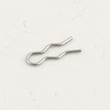
- Range hood fan blade retainer SR99420635
- Range hood non-ducted filter, 2-pack S97020466
- Driver for led energy star (with screws) S97020446
- Broan range hood vent damper SR680508
Quick diagnosis guide
| Symptom | Most likely causes | Good next step |
|---|---|---|
| Fan runs but airflow is weak | Dirty filters, blocked duct, stuck damper | Clean filters; confirm damper opens freely |
| Fan does not run | Power issue, wiring issue, switch/control issue | Check breaker and wiring connections |
| Lights do not work | Light assembly/driver issue, wiring issue | Inspect connections; replace failed light components |
| Loud or rattling fan | Grease buildup, loose retainer, vibration | Clean fan blade; check retainer and mounting |
Why it matters
A working range hood helps remove smoke, heat, and grease. The manual also calls out safety basics that protect your kitchen, including cleaning the fan and filters frequently and using only metal ductwork for ducted installations. Following those guidelines reduces fire risk and keeps the hood performing correctly.
Last updated: February 2026
How to clean Kenmore kitchen hood vent?
For your Kenmore range hood model 23351392710, we recommend cleaning the filters and fan area often so grease cannot build up. Turn power off, remove the filters, wash with warm water and mild detergent, rinse well, dry completely, then reinstall (see the cleaning section in the owner's manual).
Quick cleaning steps (safe and effective)
- Turn off the hood and switch off power at the breaker before cleaning.
- Remove the mesh filters (and any recirculation filters if your hood is set up non-ducted).
- Soak filters in warm water with mild dish soap; scrub gently with a soft brush.
- Wipe the hood interior and fan area with a cloth dampened with warm detergent solution.
- Rinse and dry all parts completely before reinstalling.
- Run the fan for a few minutes after reassembly to confirm normal airflow and no vibration.
What to use (and what to avoid)
The manual guidance is clear: mild cleaners work best and protect finishes.
| Surface/part | Use | Avoid |
|---|---|---|
| Painted surfaces | Warm water + mild detergent | Rough abrasives, porcelain cleaner |
| Stainless steel surfaces | Mild soap, rinse 2 to 3 times, wipe dry; clean with the grain | Steel wool, harsh abrasives, bleach or bleach-containing cleaners |
| Fan blade | Cloth with warm detergent solution | Scrapers or harsh chemicals |
Filter maintenance schedule
If your 23351392710 is installed as non-ducted (recirculating), the recirculation filters need regular replacement.
- Change non-ducted recirculation filters every 3 to 6 months.
- Replace more often if you fry frequently or do high-grease cooking.
- If you need replacements, match your setup to the correct filter style; the range hood non-ducted filter, 2-pack S97020466 is a common non-ducted filter option for this model.
Why it matters
Grease buildup reduces airflow, increases noise, and can create a fire risk. The manual specifically recommends cleaning ventilating fans frequently and not allowing grease to accumulate on the fan or filter.
Last updated: February 2026
Why is the fan not working on my Kenmore range hood?
If the fan is not working on your Kenmore range hood model 23351392710, the most common causes are a failed fan switch/control, a wiring problem (loose or burned connection), or a motor issue. Start with power and filter checks, then move to electrical tests.
Quick checks first (no parts needed)
- Confirm the hood has power (breaker on, plug seated if corded).
- Try every fan speed; a single dead speed often points to a switch/control issue.
- Clean the grease filters; heavy buildup can restrict airflow and make the fan seem weak.
- If your hood is installed non-ducted (recirculating), make sure the recirculation filters are installed and not saturated.
- If the fan runs but barely moves air, check for a blocked damper or duct restriction.
Troubleshooting steps that usually find the problem
- Disconnect power before opening the hood (the manual calls this out for cleaning and service safety). See the owner's manual.
- Inspect wiring connections at the switch/control and motor for heat damage or loose terminals.
- Check the damper for sticking or binding; a stuck damper can reduce airflow and strain the blower. If needed, replace the broan range hood vent damper SR680508.
- Test the switch/control (continuity) if the fan never starts on any speed.
- Evaluate the blower wheel hardware; if the blade is loose or rubbing, the fan may hum, stall, or be noisy. Inspect the retainer and replace the range hood fan blade retainer SR99420635 if it is damaged.
Symptom-to-cause guide
| What you notice | Most likely cause | What to do next |
|---|---|---|
| Fan dead on all speeds | Switch/control, wiring, motor | Check power, then wiring and switch continuity |
| Fan runs but weak airflow | Grease buildup, clogged filters, stuck damper, duct restriction | Clean filters; inspect damper and duct |
| Fan hums or is noisy | Loose blower wheel/retainer, debris, worn motor | Inspect blower wheel and mounting hardware |
Why it matters
A range hood needs steady airflow to capture smoke and grease. The manual also emphasizes cleaning ventilating fans and filters frequently to prevent grease accumulation, which helps performance and reduces strain on the fan system.
Related DIY help: range hood fan doesn't work
Last updated: February 2026