Installation guide
 Owner’s manual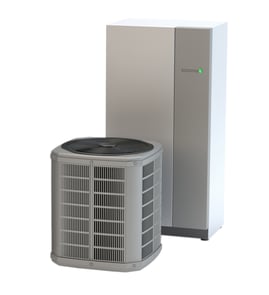




How long do Payne heat pumps last?
A Payne heat pump like model PH1ZNA036000AAAA typically lasts 15 to 20 years. Consistent seasonal maintenance (especially keeping airflow unrestricted and filters clean) is what most directly determines whether you land closer to 15 years or 20.
Most central package heat pump systems reach their full service life when these basics are handled:
- Replace or clean the air filter on schedule; operating with a dirty filter raises operating cost and shortens unit life.
- Keep supply and return registers open and unblocked (furniture, drapes, and toys can restrict airflow).
- Keep the outdoor coil area clear so the fan can move air freely.
- Expect longer run times during extreme heat or cold; that is normal operation, not a failure.
- In heating mode, the unit may enter an automatic defrost cycle in colder weather; that is designed to protect performance.
For model-specific operating and care details, follow the maintenance guidance in the PH1ZNA036000AAAA owner's manual.
| Situation | What you’ll notice | Impact on lifespan |
|---|---|---|
| Clean filter, good airflow | Steadier temperatures, fewer issues | Helps reach 15 to 20 years |
| Dirty filter, blocked registers | Higher bills, more strain, more service calls | Shortens life |
| Frequent extreme-weather operation | Longer run times | Normal, but maintenance matters more |
| Using emergency heat often | Higher electric cost | Adds stress and cost; schedule service if it becomes necessary |
A heat pump is a system (compressor, blower, controls, coils). When airflow is restricted or maintenance is skipped, components run hotter and longer, which accelerates wear and can lead to earlier part failures.
Last updated: February 2026
How many square feet does a 36000 BTU air conditioner cool?
A 36,000 BTU (3-ton) air conditioner like the cooling section in Payne model PH1ZNA036000AAAA typically cools about 1,500 to 2,500 sq ft. The right size depends most on insulation, ceiling height, sun exposure, windows, and your local climate; confirm airflow and setup details in the installation guide.
Most 36,000 BTU systems land in this range when ceilings are about 8 ft and the home is reasonably sealed.
| Home/space conditions | Typical coverage for 36,000 BTU |
|---|---|
| Well-insulated, shaded, tight home | 2,000 to 2,500 sq ft |
| Average insulation and sun exposure | 1,700 to 2,100 sq ft |
| Older, leaky, lots of sun or high ceilings | 1,500 to 1,800 sq ft |
Use these factors to decide whether you should expect the low end or high end of the range:
- Ceiling height: taller ceilings increase the air volume you must cool.
- Insulation and air leaks: poor attic insulation and drafts reduce effective capacity.
- Windows and sun exposure: large west-facing glass can add major heat load.
- Duct condition: leaky or undersized ducts reduce delivered cooling.
- Humidity level: high humidity shifts capacity toward moisture removal.
- Airflow setting: low airflow can reduce comfort and cause coil icing.
If the unit is oversized, it can short-cycle (more starts and stops), leaving humidity higher and comfort uneven. If it is undersized, it can run continuously and still struggle on the hottest days. Proper sizing protects the compressor, improves dehumidification, and helps keep energy use predictable.
These installation and performance checks help you get the most from a 3-ton package unit:
- Verify required clearances for service and airflow around the cabinet.
- Confirm the condensate drain is trapped, pitched correctly, and primed at season start.
- Make sure supply and return ducts match the intended design and are well sealed.
- Set blower speed to support stable airflow and comfort.
Last updated: February 2026
What are the most common issues with PH1ZNA036000AAAA?
For the Payne PH1ZNA036000AAAA central package (heating and cooling combined unit), the most common problems are no cooling or no heat, outdoor fan not running, blower not moving air, and intermittent operation from control or electrical faults. Use the PH1ZNA036000AAAA owner's manual for model-specific checks and wiring references.
- Unit will not start: failed contactor, blown fuse, tripped breaker, loose wiring
- Outdoor fan not running: bad fan motor/capacitor, damaged fan blade, seized bearings
- Indoor airflow is weak or none: blower motor issue, dirty filter, blocked return/supply ducts
- Short cycling (starts then stops): thermostat/control issue, overheating, low airflow
- Heat pump issues in cold weather: defrost control problems, sensor/wiring faults
These are frequent repair items for package units and are parts we list for this model:
| Symptom | Part to check | What it does |
|---|---|---|
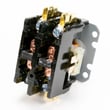
| No start, clicking, burnt contacts | Contactor (part number HN51KB024) | Switches high voltage to compressor/fan |
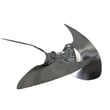
| Outdoor fan noisy or not spinning | Fan blade LA01RA033 | Moves air through the outdoor coil |
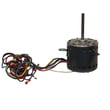
| Poor airflow inside | Furnace blower fan motor HC43CE200 | Drives the indoor blower wheel |
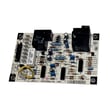
| Defrost problems, icing | Dfrost cntrl CESO110063-02 | Manages defrost cycle on heat pump |
- Set thermostat to COOL then HEAT; listen for the contactor pull-in and fan start.
- Replace/clean the air filter; confirm supply vents are open.
- Inspect the outdoor coil area for debris; keep clearance around the unit.
- Look for obvious wire damage or loose spade connectors (power off first).
A package unit depends on correct airflow and solid electrical switching. A weak blower motor, damaged fan blade, or failing contactor can cause no cooling, no heat, icing, or compressor stress, which turns a small repair into a bigger one.
Last updated: March 2026