


What is the average lifespan of a KitchenAid dishwasher?
A KitchenAid dishwasher typically lasts 10 to 14 years with normal household use and basic care. For the KitchenAid KDTM405PPS1, consistent cleaning, correct loading, and fixing small issues early (like poor draining or leaking) are the biggest factors in reaching that lifespan.
What affects dishwasher lifespan most
- Water quality: hard water speeds up mineral buildup on the sump, spray arms, and filter.
- Maintenance: cleaning the filter and checking spray arms prevents strain on the circulation system.
- Loading habits: overloading blocks spray and can stress racks, rollers, and the door.
- Detergent and rinse aid use: correct amounts reduce residue and improve drying.
- Small leaks or fill problems: catching them early prevents damage to wiring and components.
Maintenance checklist (simple, high impact)
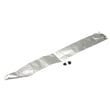
- Clean the filter regularly; replace it if it is damaged or won’t come clean: dishwasher filter W11568785.
- Inspect the lower spray arm for clogs or cracks; replace if it is not spinning freely: dishwasher spray arm, lower W11550888.
- Run a dishwasher cleaner cycle periodically to reduce grease and mineral buildup.
- Check the door seals for tears, flattening, or gaps if you see moisture at the bottom edge.
- Keep the drain path clear (air gap or high loop, disposer inlet plug removed on new installs).
Typical lifespan expectations by usage
| Usage pattern | Typical lifespan | What usually wears first |
|---|---|---|
| Light (few loads/week) | 12 to 14 years | racks, seals, dispenser parts |
| Average (daily) | 10 to 12 years | drain system, wash system, door latch |
| Heavy (multiple loads/day) | 8 to 10 years | pumps, seals, electronics |
Why it matters
Dishwashers often fail gradually. If cleaning performance drops, cycles get longer, or you notice standing water, addressing the cause early can prevent pump strain and extend the service life of your KDTM405PPS1.
Related help: how to clean and maintain your dishwasher.
Last updated: January 2026
What is the most common problem with a KitchenAid dishwasher?
The most common issue we see with KitchenAid dishwashers like model KDTM405PPS1 is poor cleaning (dishes still dirty) caused by restricted water flow from a clogged filter or blocked spray system. Drain problems and leaks are also frequent, especially when hoses or door seals start to wear.
Most common symptoms and what they usually point to
- Food left on dishes or gritty residue: filter clogged, spray arm holes blocked, low water fill
- Standing water in the bottom: drain hose restriction, clogged filter, drain path blockage
- White film or spots: hard water, low rinse aid, incorrect detergent amount
- Leaks at the front or corners: door seal wear, tub gasket issues, door not closing fully
- No wash action or weak spray: circulation system restriction, spray arm/manifold issue
Quick checks you can do first (no tools)
- Remove and rinse the filter; if it is damaged or won’t clean up well, replace the dishwasher filter W11568785.
- Inspect the lower spray arm holes for debris; clean the holes and confirm it spins freely.
- Confirm the dishwasher is filling; if it sounds like it runs “dry,” the inlet valve or water supply can be the cause.
- Check the bottom of the tub for standing water and clear any visible blockage.
- Look for drips at the door; inspect the bottom door seal and tub gasket for tears or flattening.
Parts that commonly solve these problems on KDTM405PPS1
| Problem | Common part to inspect | What it affects |
|---|---|---|
| Poor cleaning, debris recirculating | Dishwasher filter W11568785 | Keeps food soil out of the wash system |
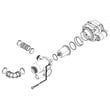
| Weak spray or poor coverage | Dishwasher manifold and spray arm assembly W11545334 | Directs and distributes wash water |
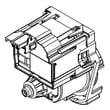
| Not filling or slow fill | Fill valve assembly W11434044 | Controls water entering the dishwasher |
| Leaking at the door | Seal, door bottom W11664713 | Helps prevent water from escaping at the bottom |
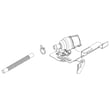
| Not draining well | Dishwasher drain hose W11551233 | Carries water to the sink drain/disposer |
Error codes can narrow it down fast
If your dishwasher is showing a code or blinking pattern, use the code to target the right system (fill, drain, heating, wash motor). Start with KitchenAid microclean he dishwasher error codes.
Why it matters
A partially clogged filter or restricted spray system can make the dishwasher “run” normally while cleaning gets worse over time. Catching it early helps prevent repeat cycles, odors, and strain on the circulation and drain systems.
Last updated: January 2026
Is it worth fixing a KitchenAid dishwasher?
Yes, it’s usually worth fixing a KitchenAid dishwasher like model KDTM405PPS1 when the problem is a common wear item (drain, fill, latch, filter, spray arm) and the repair cost stays well below the price of a comparable replacement. Replacement makes more sense when multiple major failures stack up or the tub and door sealing surfaces are damaged.
Quick way to decide (cost, age, and what failed)
Use these practical checkpoints before you buy parts:
- If the dishwasher is under ~8 years old, repairs are typically a good value.
- If the repair estimate is under ~50% of replacement cost, fixing is usually the better move.
- If it’s a single-function failure (won’t fill, won’t drain, won’t start), repair is typically straightforward.
- If you’ve had 2+ repairs in the last 12 to 18 months, replacement often becomes the better long-term value.
- If the tub is leaking or badly rusted, replacement is usually the smarter choice.
Common “worth fixing” repairs on KDTM405PPS1
These are frequent issues that often have a clear, parts-based fix:
- Not draining: check the dishwasher drain hose W11551233 for kinks, clogs, or a bad connection
- Not filling: a failing fill valve assembly W11434044 can prevent proper water entry
- Poor cleaning: a clogged dishwasher filter W11568785 or spray issue can reduce wash performance
- Door won’t latch or won’t start: a worn latch assembly (includes switch) W11412299 can stop the cycle from running
- Leaks at the door: inspect the tub gasket and bottom seal for wear or deformation
Repair vs. replace: simple comparison
| Situation | Usually best choice | Why |
|---|---|---|
| One clear symptom (won’t fill, won’t drain, won’t start) | Repair | Often a single part and a predictable fix |
| Dishes not clean but unit runs normally | Repair | Filter, spray arm, loading, or detergent issues are common |
| Multiple major parts failing close together | Replace | Costs add up and reliability drops |
| Tub damage or persistent structural leaks | Replace | Structural issues are not cost-effective to correct |
Why it matters
A targeted repair can restore performance and extend the life of your KitchenAid dishwasher without the cost and hassle of replacement. The key is identifying whether you’re dealing with a normal wear component (good repair candidate) or a bigger reliability pattern (better replacement candidate).
Helpful DIY guidance
If you’re deciding based on symptoms, these guides help narrow it down quickly:
- KitchenAid microclean he dishwasher error codes
- KitchenAid he dishwasher error codes
- Dishwasher not draining video
- Dishwasher not filling video
Last updated: January 2026
What is the rating of KDTM405PPS1?
KitchenAid model KDTM405PPS1 does not have one single official “rating” because that term can mean customer star reviews, electrical ratings, or efficiency certifications. For a dependable answer, use the rating label on your dishwasher (or the Energy Guide label) and match it to the exact spec you need.
Which “rating” are you looking for?
Here are the most common meanings customers intend:
- Customer star rating: varies by retailer and changes as reviews are added
- Electrical rating: voltage, frequency, and amperage listed on the unit’s rating label
- Energy rating: ENERGY STAR status and estimated annual energy use (shown on the Energy Guide)
- Performance/capacity: cycle options, rack layout, and wash system design
Where to find the rating information on the dishwasher
We use the dishwasher’s built-in labels as the most reliable source.
- Open the door and check the inner door edge or tub frame for the rating label
- Look for volts (V), amps (A), and hertz (Hz)
- If you need energy use, check the Energy Guide label (often on the side of the unit or in original paperwork)
Quick reference: what you will see
| Rating type | Where it’s found | What it’s used for |
|---|---|---|
| Electrical | Rating label on tub/door edge | Circuit requirements, troubleshooting power issues |
| Energy | Energy Guide label | Comparing operating cost and efficiency |
| Customer reviews | Retail listings | Satisfaction trends, not a technical spec |
Why it matters
Using the correct “rating” prevents wrong electrical hookups, incorrect breaker sizing, and mismatched expectations when comparing dishwashers. If you are troubleshooting performance, focusing on maintenance parts often helps more than review scores.
If your question is tied to performance (not cleaning, not draining, leaking), checking and maintaining the wash system parts is a practical first step, such as the dishwasher filter W11568785.
Last updated: January 2026