

How to find wall oven model number?
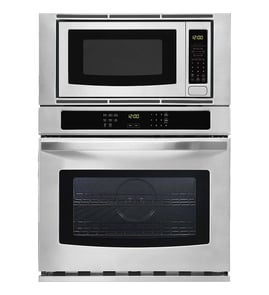
For a Kenmore wall oven/microwave combo like model 91147793202, the model number is usually on an ID tag around the oven door frame. If you do not see it there, check the door rim area and then the oven cavity edges behind the door.
- Open the oven door and inspect the front frame (left and right sides) for a rating label.
- Check along the door rim (the edge of the door itself).
- Look just inside the oven cavity opening (around the perimeter behind the door).
- If the unit is a combo, also check the microwave door frame area for a separate label.
Most Kenmore wall oven/microwave combos use a small sticker or metal plate that includes:
- Model number (example format: 911.47793202 or 91147793202)
- Serial number
- Electrical ratings (volts/amps)
- Sometimes a manufacturing code
| What you see on the tag | What it means | What to do with it |
|---|---|---|
| 911.47793202 | Model number with a dot | Use it to match parts and diagrams |
| 91147793202 | Model number without punctuation | Use it the same way |
| Serial number | Unique unit identifier | Helpful for service history |
Using the exact model number prevents ordering the wrong parts for your Kenmore combo, especially for items that vary by revision such as an oven control board, door glass, or microwave door switches.
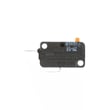
If the label is missing or unreadable, the next best step is to match parts by component and diagram. For example, if you are troubleshooting the microwave door safety circuit, the monitor switch WB24X830 is one of the common interlock-related parts used on this model family.
Last updated: January 2026
Can you still buy wall ovens?
Yes. Wall ovens are still widely sold, and you can buy them in many sizes and configurations, including single wall ovens, double wall ovens, and wall oven/microwave combos like Kenmore model 91147793202. The best choice depends on your cabinet cutout, power supply, and cooking needs.
- Cutout size and trim fit: measure the cabinet opening (height, width, depth) and compare to the oven’s required cutout.
- Electrical requirements: most electric wall ovens use a dedicated 240V circuit; some combos also require specific wiring.
- Capacity and layout: single vs. double oven, convection features, and rack positions.
- Controls and features: touch controls, self-clean options, timers, and lockout.
- Ventilation and cooling: built-in units rely on proper airflow around the chassis.
| Type | Best for | Typical considerations |
|---|---|---|
| Single wall oven | Most kitchens | Simplest install, fewer electrical/cabinet changes |
| Double wall oven | Heavy baking/hosting | More height and power needs |
| Wall oven/microwave combo | Saving space | More complex service access; two appliances in one cutout |
Wall ovens are built-in appliances, so the cabinet cutout and electrical supply drive the purchase. Getting those right prevents installation delays, overheating issues, and poor door alignment.
If your Kenmore 91147793202 is acting up, repairing it is often faster and less expensive than replacing the whole unit. Common service items include door hardware, cooling fans, and control components.
- For microwave door safety and “won’t run” symptoms, check the monitor switch WB24X830.
- For oven control or display problems, the range oven control board WB27T10500 is a common suspect.
- For overheating around the control area, inspect the range control panel cooling fan WB26T10018.
Last updated: January 2026
Are all 30 inch wall ovens the same size?
No. A “30-inch” wall oven is a nominal size, not an exact measurement. For Kenmore wall oven/microwave combo model 91147793202, the cutout and overall dimensions can vary from other 30-inch models by fractions of an inch, and those small differences affect fit and trim alignment.
Most 30-inch wall ovens are designed to fit a common cabinet opening, but manufacturers still vary the actual chassis width, height, depth, and required clearances.
Common real-world differences include:
- Actual oven width often measures slightly under 30 inches (for example, around 29 3/4 inches)
- Cutout width and height requirements vary by brand and series
- Depth can change based on door design, handle projection, and cooling airflow needs
- Trim kits and face frames can cover different gaps
Measure the cabinet opening and compare it to the replacement unit’s required cutout specs.
Use this checklist:
- Cutout width (inside cabinet opening)
- Cutout height (top to bottom of opening)
- Cutout depth (front to back clearance)
- Front projection (door and handle stick-out)
- Electrical location (junction box placement and slack)
| Item | “30-inch” label tells you | What you must confirm |
|---|---|---|
| Width | Category size | Actual chassis width and cutout width |
| Height | Not included | Cutout height and trim coverage |
| Depth | Not included | Cabinet depth and door/handle projection |
| Fit | Not guaranteed | Clearances and mounting points |
Even a 1/4-inch mismatch can prevent the oven from sliding into the cabinet, cause trim gaps, or restrict cooling airflow. That can lead to overheating, nuisance shutoffs, or poor door alignment.
If your concern is fit plus control issues after installation, check for any displayed fault codes and use our Kenmore self-cleaning wall oven error codes reference to narrow down symptoms.
Last updated: January 2026
How do I know if my wall oven is 27 or 30?
For your Kenmore wall oven/microwave combo model 91147793202, the most reliable way to tell whether it is a 27-inch or 30-inch unit is to measure the cabinet cutout opening (not the oven door). Wall ovens are typically built to fit standard 27-inch or 30-inch cutouts.
Measure the opening where the oven sits, from inside cabinet edge to inside cabinet edge.
- Turn power off at the breaker before removing trim or attempting to slide the unit
- Measure the cutout width at the front of the opening (inside left to inside right)
- Measure again at the back of the opening; cabinets can be out of square
- Measure the cutout height and cutout depth too; those matter for fit and ventilation
- Compare your measurements to standard cutout ranges below
These are common industry ranges; your exact cutout can vary slightly by brand and installation.
| Nominal size | Typical cutout width | What you will usually see |
|---|---|---|
| 27-inch wall oven | About 25 1/2 to 28 1/2 inches | A cabinet opening close to 27 inches |
| 30-inch wall oven | About 28 1/2 to 31 1/2 inches | A cabinet opening close to 30 inches |
If you cannot measure the cutout right away, these checks often point you in the right direction.
- Look for a model/serial tag on the oven frame behind the door; confirm it matches 91147793202
- Measure the trim width across the front (trim is usually wider than the cutout)
- Check whether the surrounding cabinet was built as a “standard 30” opening (common in many kitchens)
- If the unit is being replaced, measure the old cutout rather than relying on the door width
The cutout size determines whether a replacement wall oven will physically fit and whether the trim will cover the opening cleanly. Getting the width wrong can lead to gaps, cabinet modifications, or installation problems.
For additional troubleshooting help if your display shows a fault after reinstalling power, use our Kenmore 665 wall oven error codes guide.
Last updated: January 2026