Owner’s manual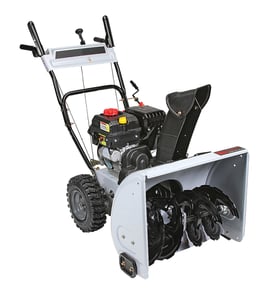


What is the typical lifespan of a gas snowblower?
A gas snowblower typically lasts 10 to 20 years. With regular maintenance (fresh fuel, oil changes, belt checks, and proper off-season storage), many machines reach the high end of that range; heavy use and neglected maintenance shorten life. See the owner's manual for model-specific care and storage steps.
What most affects lifespan
- Fuel quality and storage: stale fuel and clogged fuel lines cause hard starting and poor running
- Maintenance frequency: oil service, spark plug checks, and periodic adjustments
- Wear parts condition: belts, skid shoes, shave plates, tires, and auger components wear with use
- Operating conditions: gravel drives, heavy wet snow, and impacts increase wear
- Storage habits: clearing snow from the machine before storage helps prevent freeze-up
Typical lifespan ranges (what to expect)
| Usage pattern | Typical lifespan | What usually wears first |
|---|---|---|
| Light (few storms per season) | 15 to 20 years | belts, skid shoes, shave plate |
| Moderate (regular seasonal use) | 12 to 18 years | belts, friction drive parts, cables |
| Heavy (long runs, deep/wet snow) | 10 to 15 years | drive system, auger/impeller wear items |
Maintenance that extends life on MTD 31BS644E129
- Use clean, fresh gasoline; don’t keep fuel longer than about 30 days unless you use fuel stabilizer
- Let the engine cool before refueling; store fuel safely and never fuel indoors
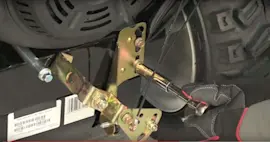
- Check clutch controls periodically so they engage and disengage correctly
- Before off-season storage, run the machine a few minutes to clear snow and reduce freeze-up risk
- Replace common wear items when performance drops (for example, a worn scraper can reduce clearing efficiency)
Helpful wear parts to watch
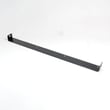
- Shave plate 790-00120-0637 (scraper blade)
- Skid shoes (protect the housing and set scraping height)
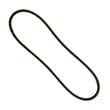
- Auger drive belt (slipping belt reduces throwing power)
Why it matters
A snowblower that is maintained and stored correctly starts easier, throws snow farther, and avoids expensive damage from running with worn belts or improper scraper and skid shoe height.
Last updated: February 2026
How to find snowblower model number?
On the MTD snow thrower model 31BS644E129, the model number is on the model plate located on the rear frame below the engine. Stand behind the machine in the operating position and look down at the rear frame to read and copy the model and serial numbers (see the owner's manual).
Where to look on your snowblower
Use these quick checks in order:
- Stand behind the unit (operator position) and look down at the rear frame below the engine
- Look for a sticker or metal plate that lists model and serial
- Wipe off snow, oil, and dirt; the print is often faint
- Use a flashlight and take a photo to zoom in
- Copy the numbers exactly, including dashes and letters
What the model plate information is used for
Having the correct model number helps us match the right parts and diagrams for your exact MTD snowblower.
| You’ll see on the plate | What it’s for |
|---|---|
| Model number | Identifies the exact snowblower configuration |
| Serial number | Identifies the production run for parts lookups |
Why it matters
MTD operator manuals often cover multiple snow thrower versions, and features can vary by model. Using the exact model number prevents ordering the wrong belt, skid shoe, shave plate, or other hardware.
Last updated: February 2026
Is it worth fixing a snowblower?
Yes, it’s worth fixing an MTD snow thrower like model 31BS644E129 when the repair is a normal wear item (belts, skid shoes, shave plate) and the machine is otherwise solid. If the snowblower needs repeated major drivetrain or engine work, replacement usually makes more sense.
A quick way to decide
Use this checklist first; it matches how these machines are designed to be maintained (regular inspection, tightening fasteners, and replacing wear parts). See the maintenance and service guidance in the 31BS644E129 owner's manual.
- Worth fixing when the issue is a wear part: belt slipping, poor scraping, uneven clearing, chute control out of adjustment.
- Worth fixing when the machine has been reliable and this is the first major problem.
- Worth fixing when the repair restores safe operation (worn skid shoes or shave plate).
- Consider replacing when you have multiple expensive failures in one season.
- Consider replacing when the auger/drive system has severe damage (gearbox, shafts) plus other issues.
Common repairs that are usually worth it (this model)
These are routine service items called out in the manual as wear components.
- Replace the auger belt if the auger stops under load or squeals: snowblower auger drive belt 33329H
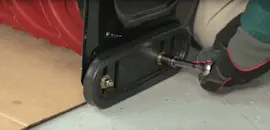
- Replace skid shoes when the housing rides too low or scrapes unevenly.
- Replace the shave plate when it’s rounded off and leaves snow behind.
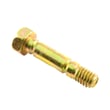
- Replace shear bolts (use the correct shear bolts, not standard bolts) if the augers stop turning after a jam.
Cost-to-value guide
| Repair type | Typical value | Why |
|---|---|---|
| Wear parts (belts, skid shoes, shave plate) | High | Restores performance and protects the housing |
| Adjustment and lubrication | High | Prevents bigger failures and improves drive/auger engagement |
| Major drivetrain teardown | Medium to low | Labor and parts add up quickly |
| Engine overhaul on an older unit | Low | Cost often approaches replacement value |
Why it matters
A snowblower that is maintained the way the manual describes (inspect for damage, keep bolts tight, replace worn shave plate and skid shoes) stays safer and clears better. Putting off wear-part repairs can accelerate damage to the auger housing and drive system.
Last updated: February 2026
How do I tell how old my snowblower is?
To tell how old your MTD snow thrower model 31BS644E129 is, we use the model and serial number from the model plate on the machine. The serial number format is what identifies the build date; the exact “year code” depends on the serial-number style used on your unit.
Where to find the model and serial number
The operator’s manual explains that the model plate is on the equipment; stand behind the snow thrower in the operating position and look down to locate it. Use the information exactly as shown on the plate. See the 31BS644E129 owner's manual.
- Look for a metal or durable sticker tag on the main frame
- Common locations include near the rear of the auger housing or under/near the handle area
- Write down both the model number and the full serial number
- If the tag is dirty, wipe it clean so every digit is readable
- If the unit has an engine label, record the engine model/type/code too (helpful for engine date)
How to decode the “age” once you have the serial number
MTD has used more than one serial-number pattern over the years. Once you have the serial number, match it to the date style below.
| What you see in the serial number | What it usually means | What to do next |
|---|---|---|
| A clear date-like sequence (month/day/year or year/week) | Direct build date | Use that as the unit’s manufacture date |
| A leading digit or letter that looks like a year code | Encoded manufacture year | Compare against the date-code chart in the manual or parts documentation |
| Only engine codes seem date-related | Engine build date (not always the same as the snowblower) | Use engine date as a close estimate for the machine |
Why it matters
Knowing the manufacture date helps us choose the correct wear parts and service procedures for your 31BS644E129, especially items that change by production run such as belts, skid shoes, and shave plates.
Parts that commonly relate to age and wear
If you are estimating age because of wear, these are the most common “age tells” on a snowblower:
- Skid shoes wear thin or uneven
- Shave plate edge rounds off and scraping performance drops
- Auger drive belt slips, squeals, or looks glazed/cracked
If you are replacing wear items, match parts by model number first; for example, the snowblower auger drive belt 33329H is a common service item type on many units (always confirm fit by model).
Last updated: February 2026