Owner’s manual



What is code 630?
On the Icp split-system air conditioner model NXA630GKA100, “code 630” is not a standard thermostat or diagnostic fault code; it is most commonly interpreted as an area code (630), not an air conditioner error. For troubleshooting, we follow the no-cooling checks in the owner's manual.
What to check first (NXA630GKA100 not cooling)
- Confirm the thermostat is set to COOL and the set temperature is below room temperature.
- Set the thermostat fan to AUTO (or ON for continuous circulation, if desired).
- Inspect the return air filter; replace or clean it if dirty.
- Check the home circuit breakers and fuses; reset or replace as needed.
- Inspect the outdoor unit for blocked coils/fins and debris near the fan.
If you meant a “code” on a control board
Many central air conditioners do not display numeric “codes” at the thermostat. Instead, issues show up as:
- No outdoor unit operation
- Outdoor fan runs but no cooling
- Indoor blower runs but outdoor unit is silent
Common part-related causes (examples)
| Symptom | Likely area to inspect | Example part on this model page |
|---|---|---|
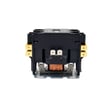
| Outdoor unit does not start | High-voltage switching | Central air conditioner contactor 1172472 |
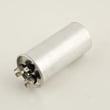
| Hums, struggles to start, trips breaker | Start/run components | Capacitor 1172148 |
| Fan area obstructed or damaged guard | Airflow and safety | Central air conditioner condenser fan grille 1178644 |
Why it matters
Misreading “630” as an error code can send you in the wrong direction. Using the basic thermostat, filter, breaker, and outdoor-unit inspection steps helps restore cooling faster and prevents unnecessary parts replacement.
Last updated: February 2026
What is the most expensive part to replace on an AC unit?
On an Icp split-system air conditioner like model NXA630GKA100, the most expensive single component to replace is typically the compressor because it is the sealed, refrigerant-handling “heart” of the system and the repair often includes significant labor and refrigerant work. Use the owner's manual maintenance steps to help prevent compressor damage.
What usually costs the most (and why)
The compressor is usually the top-cost repair because it is a major mechanical component and is tied to the refrigerant circuit.
Common high-cost drivers include:
- Refrigerant recovery, evacuation, and recharge work
- Labor time (often several hours)
- Potential related damage (overheating, contamination, electrical failure)
- System age and overall condition
Other parts that can be expensive (but usually less than a compressor)
Some failures can still be costly, especially if they cause repeated shutdowns or overheating.
| Part or repair area | Typical cost impact | Why it matters |
|---|---|---|
| Compressor | Highest | Sealed system work plus major component |
| Coil-related repairs | High | Efficiency loss and possible compressor stress |
| Electrical controls (contactor/capacitor) | Medium | Can prevent starting and cause hard starts |
| Fan-related issues | Medium | Poor airflow can overheat the system |
What we recommend checking first (to avoid the big repair)
The manual calls out a few maintenance items that directly protect cooling performance and the compressor.
Do these basics first:
- Check thermostat settings (COOL mode; setpoint below room temperature)
- Inspect and replace or clean the return air filter monthly
- Check breakers and fuses; reset or replace as needed
- Keep the outdoor coil clear of grass clippings, leaves, dirt, and lint
- Make sure nothing is obstructing the outdoor fan blade
Parts on this model page that relate to common “no cool” or “won’t start” symptoms
If your NXA630GKA100 will not start or the outdoor unit is not running, these parts are common suspects:
Why it matters
A dirty filter or clogged outdoor coil reduces airflow and efficiency; that forces the system to run hotter and longer. The manual notes that dirty air filters are a common cause of inadequate cooling and compressor failures, so routine maintenance is one of the best ways to avoid the most expensive repair.
Last updated: February 2026
Can I replace AC spare parts myself?
Yes, you can replace some parts on your Icp split-system air conditioner model NXA630GKA100 yourself, but we only recommend DIY work that does not involve refrigerant handling or complex electrical diagnostics. Safe DIY tasks include basic maintenance, visual inspections, and a few straightforward component swaps.
What you can safely do yourself
These tasks match the routine maintenance and basic checks described in the owner's manual.
- Turn OFF power to both the indoor and outdoor units before removing panels (there can be more than one disconnect)
- Check thermostat settings (COOL mode; setpoint below room temperature)
- Inspect and replace or clean the return air filter monthly
- Check breakers and fuses; reset or replace as needed
- Clear debris from the outdoor unit coils and make sure the fan blade area is not obstructed
- Verify the condensate drain is flowing freely during the cooling season
Parts that are commonly DIY-replaceable (with the right skills)
If you are comfortable working around high voltage and can follow wiring exactly, these are common replacement items for outdoor condensing units.
| Part | What it does | Common symptom when failing |
|---|---|---|
| Central air conditioner capacitor 1172148 | Helps start/run the compressor or fan motor | Humming, hard starting, fan not spinning |
| Central air conditioner contactor 1172472 | Switches high-voltage power to the outdoor unit | Outdoor unit will not start, chattering |
| Central air conditioner condenser fan grille 1178644 | Protects the fan and supports top cover area | Physical damage, vibration, safety concern |
Work we do not recommend as DIY
These jobs can create safety hazards or require specialized tools and certification.
- Any refrigerant work (opening the sealed system, replacing service valves, charging refrigerant)
- Compressor replacement
- Diagnosing control issues beyond basic checks
- Any repair that requires energized testing inside the electrical compartment
Why it matters
On a split-system air conditioner like the Icp NXA630GKA100, the most common performance problems come from airflow restrictions (dirty filters, blocked coils) and electrical issues (failed capacitor or contactor). Doing the right DIY tasks protects efficiency and helps prevent compressor damage.
Last updated: February 2026
How to find AC parts?
To find the right parts for your Icp split-system air conditioner model NXA630GKA100, match the model number on the unit’s data label to the parts list for that model, then confirm the part name and ID before ordering. Use the diagrams and part listings in the owner's manual to stay aligned with your exact configuration.
Step-by-step: how we recommend finding the correct part
- Locate the model number on the outdoor condenser unit data label (use NXA630GKA100 exactly).
- Identify the system area you’re working on: electrical (contactor/capacitor), fan section, or refrigerant service.
- Compare symptoms to common checks (thermostat settings, filter, breakers, outdoor coil and fan obstructions).
- Use the model’s parts list to select the exact part by part name and part ID.
- Verify the part matches your need before ordering (for example, “contactor” vs “capacitor”).
Common parts customers look for on NXA630GKA100
If you’re troubleshooting a no-cool or no-start condition, these are common service parts listed for this model:
| Symptom you notice | Part category to check | Example part on this model |
|---|---|---|
| Outdoor unit will not start | Electrical switching | Central air conditioner contactor 1172472 |
| Hums, struggles to start, or fan/compressor issues | Electrical start/run | Capacitor 1172148 |
| Fan area damage or missing guard | Fan section hardware | Central air conditioner condenser fan grille 1178644 |
Why it matters
Using the exact model number and the exact part ID prevents ordering a look-alike component that does not match the voltage, mounting, or wiring configuration. It also speeds up troubleshooting because you can focus on the correct section of the outdoor unit.
Quick safety note before you open panels
- Turn OFF power to both the indoor and outdoor units.
- Use the disconnect(s); there can be more than one.
- If you’re testing electrical parts, use proper meter technique and insulated tools.
Last updated: February 2026
What AC parts are most commonly replaced?
For the Icp NXA630GKA100 split-system air conditioner, the most commonly replaced parts are the electrical start/run components and switching parts (like the run capacitor and contactor), plus outdoor fan-area hardware that gets weather exposure. These parts directly affect whether the outdoor unit starts, runs, and cools reliably.
Most common replacements (and what they do)
- Run capacitor: helps the compressor and fan motor start and run; weak capacitors can cause hard-starting or humming.
- Contactor: the low-voltage controlled switch that sends power to the outdoor unit; worn contacts can cause intermittent operation.
- Condenser fan grille: protects the fan and coil area; damage can lead to debris intrusion or safety issues.
- Service valves/valves: used for service access and refrigerant circuit control; replacement is typically tied to leak repair or service work.
- Ground lug and wiring connections: corrosion or looseness can cause electrical faults.
Parts on this model that match those common repairs
| Symptom you notice | Common part involved | Example part for NXA630GKA100 |
|---|---|---|
| Outdoor unit will not start, hums, or starts then stops | Run capacitor | Capacitor 1172148 |
| Outdoor unit clicks but does not run, or runs intermittently | Contactor | Central air conditioner contactor 1172472 |
| Fan area is exposed, grille is bent or broken | Fan protection hardware | Central air conditioner condenser fan grille 1178644 |
Quick checks we recommend before replacing parts
Follow the basic homeowner checks in the owner's manual first:
- Confirm the thermostat is set to COOL and below room temperature.
- Check the return air filter; a dirty filter is a common cause of poor cooling and can contribute to compressor problems.
- Check breakers and fuses; reset or replace as needed.
- Inspect the outdoor unit for blocked coils/fins and debris around the fan.
Why it matters
These parts are common because they handle high electrical load, frequent cycling, and outdoor exposure. Catching issues early (especially airflow and coil cleanliness) helps prevent bigger failures like compressor damage.
Last updated: February 2026