



Is the GE washer dryer combo any good?
A GE washer-dryer combo can be a good choice when you need one machine to wash and dry in a tight space, but it typically dries slower and has smaller loads than a full-size washer plus a separate dryer. If you already own the GE gas dryer model GTD58GBSV0WS, pairing it with a separate washer usually delivers faster drying and higher capacity.
- Washer-dryer combo advantages
- Saves floor space (one appliance instead of two)
- No load transfer between washer and dryer
- Often works well for small households and light laundry volume
- Washer-dryer combo tradeoffs
- Longer dry times (especially for towels and mixed loads)
- Smaller effective drying capacity than washing capacity
- More heat and moisture management demands (ventless designs can warm the room)
- Separate washer + GTD58GBSV0WS gas dryer advantages
- Faster dry cycles and better performance on bulky items
- Easier to service (individual machines, more standard parts)
- Better throughput for families and frequent laundry days
| Your situation | Combo is usually a good fit | Separate units are usually better |
|---|---|---|
| Space | Closet, small laundry nook | Standard laundry room |
| Laundry volume | Light to moderate | Moderate to heavy |
| Priority | Convenience, fewer steps | Speed, capacity, flexibility |
If you routinely dry heavy loads (jeans, towels, bedding), a dedicated gas dryer like the GE GTD58GBSV0WS typically finishes faster and more consistently. That can reduce re-drying, overheating, and wear on fabrics.
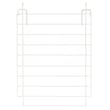
- Clean the lint screen every load; replace a damaged screen such as the GE dryer lint screen WE03X23881.
- Avoid overloading; bulky loads need room for airflow.
- Check for airflow restrictions (crushed vent, lint buildup in ducting).
- If the drum does not tumble well, inspect wear items like the GE dryer drum belt WE03X29897 and the dryer idler pulley WE03X31620.
- For no-heat or weak-heat symptoms on a gas dryer, use a step-by-step guide like gas dryer wont heat troubleshooting video.
- You cannot vent a dryer outdoors and need a ventless setup.
- You do small loads and can tolerate longer dry times.
- You want a single appliance footprint and simpler installation.
Last updated: January 2026
What brand of dryer has the least problems?
No dryer brand is problem-free, but in reliability surveys Whirlpool and LG typically rank among the lowest service-rate brands, with GE and Maytag often a bit higher. For your GE gas dryer model GTD58GBSV0WS, consistent maintenance and airflow care usually prevent the most common “problem” symptoms.
- Simple controls and fewer “smart” features usually mean fewer failure points.
- Strong parts availability and service support matter as much as the brand name.
- A proven drum support system (glides, bearings, belt, idler) reduces noise and wear.
- Good airflow design helps prevent long dry times and overheating shutdowns.
- A solid lint filtration path reduces internal lint buildup.
Most “dryer problems” are airflow-related, not brand-related. We recommend:
- Clean the lint screen every load; replace a torn or warped screen such as the GE dryer lint screen WE03X23881.
- Inspect and clean the vent duct regularly; keep the run short and free of kinks.
- If dry times increase, check for lint buildup in the lint chute and blower housing.
- If the dryer will not start, confirm the door closes firmly and the switch clicks.
| Symptom | Most common cause | Typical fix |
|---|---|---|
| Takes too long to dry | Restricted venting or clogged lint path | Clean venting and lint chute |
| Loud squeal or thump | Worn belt, idler, glides, or drum support | Replace wear parts |
| Will not start | Door switch, control, or power issue | Test switch and controls |
| No heat (gas) | Ignition or gas valve system issue | Troubleshoot burner/ignition |
Choosing a “reliable” dryer brand helps, but keeping airflow clear and replacing normal wear parts on time usually has the biggest impact on breakdowns, energy use, and drying performance.
Related help: gas dryer wont start troubleshooting video
Last updated: January 2026
What is the lifespan of a GE dryer?
A GE dryer typically lasts about 10 to 13 years with normal household use and basic maintenance. For your GE GTD58GBSV0WS gas dryer, keeping airflow strong and replacing wear items on time is the biggest factor in reaching the high end of that range.
Most dryers fail early due to heat and airflow stress, not because the cabinet or drum “wears out.” These factors matter most:
- Vent restriction (long dry times, overheating, repeated thermal shutdowns)
- Lint buildup in the lint screen housing and blower area
- Worn drum support parts (glides, bearings, felt seals)
- Drive system wear (belt and idler pulley)
- Heavy use (large families, multiple loads per day)
We recommend these habits for GE gas dryers like model GTD58GBSV0WS:
- Clean the lint screen every load; replace it if it is torn or warped (see GE dryer lint screen WE03X23881).
- Check airflow: the exhaust should feel strong and steady outside.
- Clean the vent duct and outside hood at least yearly (more often with pets).
- Avoid overloading; it strains the belt, idler, and drum supports.
- Stop using the dryer if you smell burning or notice excessive heat; correct airflow issues first.
| Symptom | Common cause | Example part for GTD58GBSV0WS |
|---|---|---|
| Squealing, scraping, thumping | Drum glides/bearing/felt seal wear | Dryer drum bearing and slide assembly, upper WE03X23875 |
| Drum not turning, motor runs | Broken or slipping belt | GE dryer drum belt WE03X29897 |
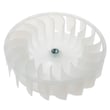
| Long dry times, hot cabinet | Airflow restriction or blower issue | Dryer blower wheel WH16X34317 |
| Won’t start when door closes | Door switch/catch issue | Dryer door switch WE04X28977 |
A dryer that is struggling to move air runs hotter and longer, which shortens the life of key components (thermistors, thermostats, motor, and drum supports) and increases energy use.
Last updated: January 2026