 Error Codes





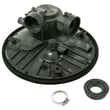
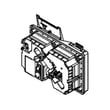
Can I replace dishwasher parts myself?
Yes. For the GE GDT665SGN8BB dishwasher, many common repairs are DIY-friendly if you shut off power at the breaker and turn off the water supply first. Parts like spray arms, door latches, and drain hoses are typically straightforward; control and wiring repairs take more care.
Here’s a practical way to decide what to tackle.
- Usually DIY-friendly: spray arms, drain hose, tub gasket, silverware basket, rack hardware
- DIY with extra care: water inlet valve, drain pump, heating element (electrical connections)
- Often better for a pro: control board diagnostics, wiring harness issues, repeated leak or overheating symptoms
| Repair type | What you’ll do | Common parts for this model |
|---|---|---|
| Cleaning or poor wash | Remove and rinse spray arms, clear debris | GE dishwasher spray arm, lower WD22X33499, GE dishwasher spray arm, middle WD22X33498 |
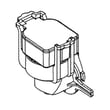
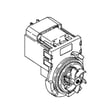
| Not draining | Check hose routing, replace pump if seized | Dishwasher drain hose WD24X10062, dishwasher drain pump WD19X25461 |
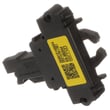
| Door won’t latch or won’t start | Inspect latch alignment, replace latch | Dishwasher door latch lock WD01X29878 |
| Not drying or water not heating | Verify cycle settings, replace heater if failed | Heating element WD05X35098 |
- Turn OFF the dishwasher breaker; confirm the controls are dead.
- Turn OFF the water supply valve under the sink.
- Take photos of wire locations and hose routing before disconnecting anything.
- Keep towels and a shallow pan ready for residual water.
- After reassembly, run a short cycle and check for leaks at every connection.
Dishwashers combine water, heat, and electricity. Doing the right prep prevents leaks, protects the control electronics, and helps ensure your GE GDT665SGN8BB runs safely after the repair.
If you’re diagnosing a no-start, drain, or error-code problem before buying parts, use: GE electronic dishwasher error codes and dishwasher not draining video.
Last updated: February 2026
What is the average lifespan of a GE dishwasher?
A GE dishwasher typically lasts 10 to 12 years. For your GE GDT665SGN8BB, lifespan depends most on water quality, how often it runs, and routine cleaning; keeping wash water flowing and draining correctly helps you reach the high end of that range.
Most dishwashers fall into a predictable range; GE units are usually right in the middle.
| Usage pattern | Typical lifespan | What usually wears first |
|---|---|---|
| Light (few loads/week) | 12 to 15 years | Racks, door seals, spray arms |
| Average (1 load/day) | 10 to 12 years | Drain/wash components, heater |
| Heavy (2+ loads/day) | 8 to 10 years | Pump system, controls, seals |
We recommend these habits because they reduce strain on the pump, heater, and seals.
- Clean the filter area and sump regularly; remove labels, glass, and food debris.
- Check spray arms for clogs and cracks; replace a damaged arm to restore wash pressure.
- Run hot water at the sink before starting a cycle so the heater works less.
- Use the right detergent amount; too much can cause residue, too little can reduce cleaning.
- Inspect the door seal for flattening or tears; address leaks early.
- Fix slow draining quickly to prevent odors and pump damage.
If your dishwasher is not cleaning, not draining, or not drying, these model-compatible parts are frequent culprits.
- Poor cleaning or weak spray: GE dishwasher spray arm, lower WD22X33499
- Not draining or standing water: dishwasher drain pump WD19X25461
- Not drying or water not heating: heating element WD05X35098
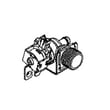
- Fill problems or low water level: dishwasher water inlet valve WD15X26078
Knowing the average lifespan helps us decide whether a repair is cost-effective. On a 10 to 12 year old dishwasher, replacing a single wear part (like a drain pump or inlet valve) often restores performance; multiple major failures at once usually point to replacement planning.
Last updated: February 2026
What is the most common problem with GE dishwashers?
The most common problems we see on GE dishwashers like model GDT665SGN8BB are not draining, not starting, and not cleaning well. These usually trace back to a clogged drain path, a door-latch issue, or a wash system problem such as a weak pump or blocked spray arms.
- Water left in the bottom: drain restriction, drain pump problem, or a kinked/blocked hose
- Won’t start or stops mid-cycle: door not latching, control issue, or a stuck key/user interface problem
- Poor cleaning: clogged spray arm holes, low water fill, or a weak wash pump
- Leaks at the door: worn tub/door sealing surfaces or gasket issues
- No heat or poor drying: heater circuit problem or airflow/venting issue
- Cancel/drain the cycle and listen for the drain motor running.
- Check the sink drain/disposal connection for a blockage (common after a new disposal install).
- Inspect the bottom of the tub for debris that can restrict flow.
- Confirm the door closes firmly and the latch engages.
- Run hot water at the sink for 30 to 60 seconds before starting a cycle.
| Symptom | Most likely area | Example part for this model |
|---|---|---|
| Not draining | Drain system | Dishwasher drain pump WD19X25461 |
| Won’t start | Door latch or controls | Dishwasher door latch lock WD01X29878 |
| Not filling/low water | Fill system | Dishwasher water inlet valve WD15X26078 |
| Poor cleaning | Spray/wash system | GE dishwasher spray arm, lower WD22X33499 |
If your GE dishwasher is showing a code or flashing pattern, match it to the failure area before replacing parts. Use our GE electronic dishwasher error codes reference to narrow the problem to draining, filling, heating, or control-related faults.
Dishwashers often fail “symptom-first”; a simple clog can look like a bad pump, and a door that is slightly unlatched can look like a control failure. A few targeted checks help you avoid replacing the wrong part and get the GDT665SGN8BB running reliably again.
Last updated: February 2026





