




What is the average life expectancy of a GE dishwasher?
A GE dishwasher like model GDT650SYV1FS typically lasts 10 to 12 years. With consistent cleaning, correct detergent use, and quick repairs when symptoms show up, many units reach the higher end of the normal dishwasher lifespan range.
Most GE dishwashers fall into a practical lifespan window based on use and care:
- 8 to 10 years: heavy daily use, hard water, limited maintenance
- 10 to 12 years: average household use and basic upkeep
- 12 to 15 years: lighter use, good loading habits, regular cleaning and prompt part replacement
| Usage pattern | What to expect | Biggest wear areas |
|---|---|---|
| Heavy (1 to 2 loads/day) | Shorter lifespan | Wash system, drain system, door latch |
| Average (4 to 7 loads/week) | Typical lifespan | Spray arms, heater, seals |
| Light (1 to 3 loads/week) | Longer lifespan | Racks, seals, valves |
These are the most common causes of early failure in GE dishwashers:
- Running with a clogged filter or debris in the sump area
- Hard water scale buildup on the heating circuit and spray system
- Overloading or blocking spray arm rotation
- Ignoring slow drains or standing water (pump strain)
- Slamming the door or forcing a weak latch to close
A few simple habits make a big difference:
- Clean the interior and wash system regularly using the steps in how to clean and maintain your dishwasher
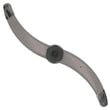
- Keep spray paths clear; replace a damaged arm such as spray arm WD22X33499 if it cracks or stops spinning freely
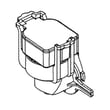
- Address draining issues early; a failing pump like dishwasher drain pump WD19X25461 can shorten overall life if the unit keeps running with poor drainage
- Use the right amount of detergent and rinse aid for your water conditions
Dishwashers usually do not fail all at once; performance drops first (poor cleaning, poor drying, odd noises, slow draining). Catching those symptoms early often prevents secondary damage to the wash pump, heater, and seals.
Last updated: February 2026
What is the most common problem with GE dishwashers?
The most common GE dishwasher problem is a drain issue: water stays in the tub because the filter area, drain path, or drain pump is restricted. On the GE GDT650SYV1FS, we also frequently see “won’t start” complaints tied to the door latch and occasional wash performance issues tied to spray arms.
- Standing water after the cycle: clogged drain path, kinked hose, or a failing drain pump
- Won’t start or stops mid-cycle: door not latching, latch switch issue, or control problem
- Not cleaning well: blocked spray arm holes, low water fill, or circulation problem
- Leaks at the front: door seal/tub gasket wear or door not closing squarely
- Poor drying: heater circuit issue, rinse aid issues, or cycle selection
- Cancel/drain the cycle and listen for the drain motor running.
- Check the sink drain/disposer connection (a common blockage point).
- Inspect the drain hose routing for kinks and make sure it has a high loop.
- Spin the spray arms by hand and clear any blocked jets.
- Confirm the door closes firmly and the latch engages every time.
| Problem area | What you notice | Part that often fixes it |
|---|---|---|
| Draining | Water left in bottom | Dishwasher drain pump WD19X25461 |
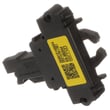
| Starting/locking | Won’t run unless you push on door | Dishwasher door latch lock WD01X29878 |
| Cleaning | Upper/lower rack not getting sprayed | Spray arm WD22X33499 |
If your GE dishwasher is showing a code or blinking pattern, use our GE electronic dishwasher error codes guide to match the code to the most likely failure (drain, fill, heating, or control related).
Drain and latch problems can look like “the dishwasher is dead,” but they are often straightforward to diagnose. Catching a restriction early also helps prevent odors, repeat clogs, and pump strain.
Last updated: February 2026
Is it worth fixing a GE dishwasher?
Yes, it’s usually worth fixing a GE dishwasher like model GDT650SYV1FS when the unit is under 10 years old and the repair is a common, contained issue (draining, filling, heating, or door-latch problems). If the repair cost approaches half the price of a comparable new dishwasher, replacement typically makes more sense.
- Age: Under 10 years old favors repair; 10+ years old favors replacement.
- Repair cost: Under ~50% of a new unit favors repair.
- Failure type: Single-part failures (pump, valve, latch, spray arm) favor repair.
- Repeat breakdowns: Multiple recent issues favor replacement.
- Performance symptoms: Poor cleaning or draining is often repairable with targeted parts.
- Downtime: If you need a fast fix, common parts are often readily available.
These are typical “high-impact” fixes that can restore normal operation without replacing the whole dishwasher:
- Not draining: check the dishwasher drain pump WD19X25461 and dishwasher drain hose WD24X10062.
- Not filling: check the water valve assembly WD15X27703.
- Door won’t latch or won’t start: check the dishwasher door latch lock WD01X29878.
- Not drying: heating issues can point to the heating element WD05X35098.
- Not cleaning well: inspect the spray arm WD22X33499 for clogs and free rotation.
| Situation | Usually do this | Why |
|---|---|---|
| One clear symptom, no prior issues | Repair | Lowest cost, fastest return to service |
| Multiple symptoms or frequent failures | Replace | Costs add up quickly |
| Major electronics suspected | Compare quotes first | Control-related repairs can be expensive |
| Tub damage or persistent leaking | Replace | Structural issues are rarely cost-effective |
A targeted repair can extend the life of your GE dishwasher and restore cleaning and drying performance. Using the right troubleshooting path also helps avoid replacing expensive assemblies when the real cause is a simpler part or blockage.
Use GE electronic dishwasher error codes to match the code to likely causes before buying parts.
Last updated: February 2026
Can I replace dishwasher parts myself?
Yes. For the GE GDT650SYV1FS dishwasher, many common repairs are DIY-friendly if you shut off power at the breaker and turn off the water supply first. Simple mechanical parts (like spray arms and racks) are usually straightforward; electrical and leak-related repairs take more care.
Many customers successfully replace wear items and access parts without special tools.
- DIY-friendly: spray arms, rack rollers, silverware basket, door trim
- Moderate DIY: door latch, drain hose, water valve (requires careful leak checks)
- Advanced DIY: control boards, wiring harnesses, wash pump (more disassembly and diagnostics)
| Repair type | What you’ll notice | Common part examples for this model |
|---|---|---|
| Cleaning performance | Dishes gritty, poor spray | Spray arm WD22X33499, GE dishwasher spray arm, middle WD22X33498 |
| Not draining | Water left in tub | Dishwasher drain pump WD19X25461, dishwasher drain hose WD24X10062 |
| Won’t start / won’t run | Lights on, no cycle | Dishwasher door latch lock WD01X29878, configured machine control board WD21X35479 |
| Not drying | Dishes wet at end | Heating element WD05X35098 |
- Turn OFF the dishwasher breaker (do not rely on the door switch).
- Shut off the water supply valve under the sink.
- Protect the floor; keep towels handy for hoses and pumps.
- Take photos of wire connections before disconnecting anything.
- After reassembly, run a short cycle and check for leaks at the inlet, sump, and drain.
Dishwashers combine electricity, water, and heat. Doing the right repair yourself can save time and money, but skipping basic safety steps can cause leaks, poor cleaning, or repeat failures.
If you’re diagnosing a symptom before buying parts, use GE electronic dishwasher error codes to match what the dishwasher is reporting to likely causes.
Last updated: February 2026





