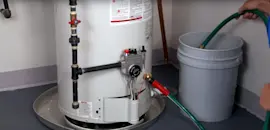
Owner’s manual
 Error Codes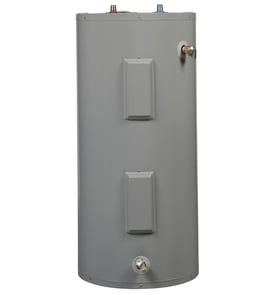



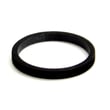
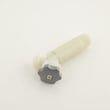
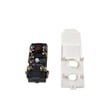
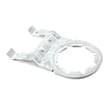

Are water heater parts interchangeable?
Some water heater parts are interchangeable, but only when the replacement matches your exact fuel type, voltage, wattage, and mounting style. For the American E2F38TD045V electric water heater, use parts listed for this model in the owner's manual and the model’s parts list to avoid fit and safety issues.
What is usually interchangeable (and what is not)
Many parts look similar across brands and models, but small differences matter.
- Often interchangeable only with exact match: heating elements (wattage, voltage, thread size), thermostats (style and ratings)
- Sometimes interchangeable: drain valves (thread type and length), gaskets (diameter and material)
- Not interchangeable across fuel types: gas controls, burners, pilot assemblies, gas valves (not applicable to your electric model)
- Not interchangeable across electrical specs: 120V vs 240V components, different wattage elements
- Not interchangeable when connection types differ: NPT sizes, element screw-in vs flange, different wiring terminals
Quick compatibility checklist for E2F38TD045V
Use this checklist before ordering or installing any replacement part.
| What to match | Why it matters | Where to confirm |
|---|---|---|
| Model number (E2F38TD045V) | Ensures correct design family | Data plate and parts list |
| Electrical rating (voltage/wattage) | Prevents overheating and nuisance trips | Data plate and part listing |
| Mounting/threads (NPT, screw-in) | Prevents leaks and poor fit | Part description and manual |
| Location (upper vs lower) | Thermostats and wiring differ by position | Wiring diagram/labels |
Model-matched parts we commonly see replaced
If you are troubleshooting “no hot water,” “not enough hot water,” or temperature swings, these model-listed parts are the right place to start.
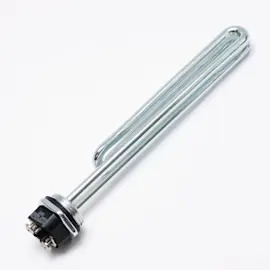
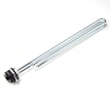
- Element 100108290 (heating element)
- Top t-stat 100108683 (upper thermostat)
- Lwr t-stat 100108421 (lower thermostat)
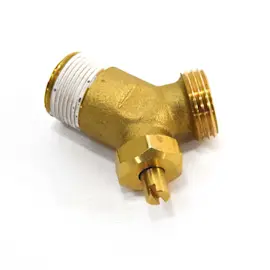
- Drain valve 100109106 (tank draining and flushing)
Why it matters
Using a “close enough” part can cause leaks, incorrect water temperature, repeated high-limit trips, or wiring damage. Your manual also warns against tampering with thermostats, heater elements, and electrical connections; correct, model-matched parts help keep the heater operating as designed.
Last updated: February 2026
What is the average lifespan of an electric water heater?
Most electric tank water heaters last 10 to 15 years. For your American E2F38TD045V, lifespan depends heavily on corrosion control and maintenance; the owner's manual explains how the anode rod protects the tank and should be inspected about every 3 years.
Typical lifespan by type
| Water heater type | Typical lifespan | What usually ends it |
|---|---|---|
| Electric tank (like E2F38TD045V) | 10 to 15 years | Tank corrosion, leaks, element failure |
| Electric tankless | 20+ years | Scale buildup, component wear |
What most affects lifespan (and what to do)
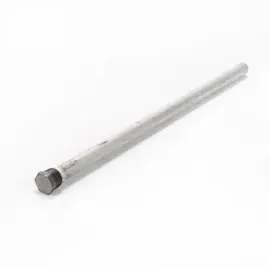
- Anode rod condition: Inspect about every 3 years; replace if more than 50% depleted.
- Water quality: Hard water increases scale; softened water can be more corrosive to the tank.
- Sediment: Periodic draining or flushing helps reduce buildup that overheats elements.
- Temperature setting: Higher settings increase stress and scale formation.
- Electrical and thermostat health: Weak thermostats or wiring issues can cause overheating and short cycling.
Signs it is near end of life
- Water on the floor or moisture around the tank (tank leak)
- Rusty or discolored hot water
- Rumbling or popping sounds from heavy sediment
- Inconsistent hot water even after element or thermostat checks
Parts that commonly get replaced first
Replacing wear parts can restore performance, but it does not stop a corroding tank from eventually leaking.
- Element 100108290 (heating element)
- Top t-stat 100108683 (upper thermostat)
- Lwr t-stat 100108421 (lower thermostat)
- Drain valve 100109106 (drain valve for draining or flushing)
Why it matters
Once the glass-lined tank starts corroding (often after the anode rod is depleted), leaks typically progress quickly. Staying on top of anode inspections and sediment control is the most direct way to extend service life.
Last updated: February 2026
What is the cost to replace a 50 gallon electric water heater?
Replacing a 50-gallon electric water heater typically runs about $900 to $2,500 installed in most U.S. homes; the total depends on the heater type (standard vs. high-efficiency), labor rates, and whether plumbing or electrical updates are needed. For your American E2F38TD045V, our owner's manual helps you confirm electrical and installation requirements before you price the job.
What usually makes the price go up or down
- Tank type and efficiency: basic electric tanks cost less than premium or high-efficiency models.
- Capacity and fit: moving from 38 to 50 gallons can require space, piping, or venting changes (if converting types).
- Electrical work: new breaker, wiring, or disconnect upgrades add cost.
- Plumbing changes: shutoff valves, piping rework, expansion tank, or new connections.
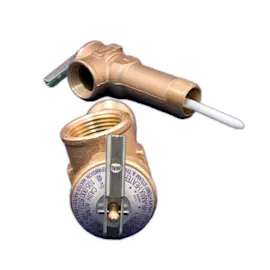
- Code-required safety items: items like a discharge line for the temperature and pressure relief valve.
- Access and haul-away: tight closets, attic installs, or disposal fees.
Typical cost ranges (installed)
| Scenario | What it includes | Typical total |
|---|---|---|
| Straight swap | Similar tank, minimal plumbing/electrical changes | $900 to $1,600 |
| Moderate updates | Some piping changes, new valves, minor electrical work | $1,400 to $2,200 |
| Complex replacement | Significant electrical/plumbing updates, difficult access | $2,000 to $2,500+ |
How we recommend estimating your replacement
- Match the electrical rating (voltage and wattage) to what your home supports.
- Confirm space and connection locations (cold inlet, hot outlet, drain access).
- Decide what gets replaced with the tank (common add-ons are shutoff valve, drain valve, and supply lines).
- Compare repair vs. replace if the tank is sound but performance is poor.
Repair vs. replace quick check
If you have “no hot water” or inconsistent temperatures, a repair can be far less than replacement. Common service parts for E2F38TD045V include the element 100108290 and thermostats like the top t-stat 100108683.
Why it matters
A correct estimate prevents surprise add-on charges for electrical and plumbing updates, and it helps ensure the new heater is installed safely and heats properly from day one.
Last updated: February 2026
What is usually the most common water heater problem?
For the American E2F38TD045V electric water heater, the most common problem we see is sediment buildup in the tank, which causes rumbling or popping noises and reduces heating efficiency; the next most common is “no hot water” from a failed heating element or a thermostat issue. See the maintenance and draining guidance in the owner's manual.
Most common problems (and what you’ll notice)
- Sediment buildup in the tank: rumbling, popping, slower recovery, higher electric bills
- Heating element failure: little or no hot water, breaker may trip, long heat-up times
- Thermostat problems: water too hot, not hot enough, or fluctuating temperatures
- Drain valve leaks or won’t close: water at the base of the heater, trouble draining the tank
- Tank corrosion over time: persistent leaking from the tank itself (end-of-life condition)
Quick checks we recommend first (electric models)
- Listen for noise: popping or rumbling points to sediment; draining and flushing helps.
- Check for leaks: look at fittings and the drain valve area first.
- Confirm temperature setting: many electric heaters are commonly set around 120°F for comfort and scald prevention.
- If hot water is inconsistent: short, repeated draws can cause “stacking” (temporary hotter outlet water).
Common causes and the parts that usually fix them
| Symptom | Most likely cause | Typical fix |
|---|---|---|
| No hot water | Failed element or thermostat | Test and replace the failed part |
| Water not hot enough | Thermostat set low or failing | Adjust or replace thermostat |
| Rumbling/popping | Sediment buildup | Drain and flush tank |
| Leak at bottom valve | Worn/leaking drain valve | Replace drain valve |
If you’re replacing parts for this model, common items include the element 100108290, top t-stat 100108683, lwr t-stat 100108421, and drain valve 100109106.
Why it matters
Sediment buildup does more than make noise; it insulates the heating elements from the water, which reduces efficiency and can contribute to premature component wear. Regular draining and flushing also helps you spot small leaks before they cause damage.
Last updated: February 2026