Owner’s manual

Where to find model number on CRAFTSMAN Wet Dry Vac?
On the Craftsman 113170330 16-gallon wet/dry vacuum, the model number is printed on the model and serial number label located on the side of the detachable blower (power head). We recommend writing down both the model and serial number for future parts and service reference.
Check these common spots on model 113170330:
- The side of the detachable blower (power head assembly); this is the primary location
- Near the label area on the blower, opposite the handle side
- On the lid/power head area where the blower latches into place
- On a sticker or stamped plate that lists both model and serial number
- Unplug the vacuum.
- Locate the detachable blower (the motor/power head section).
- Look along the side of the blower for a label that says MODEL NO. and Serial Number.
- Record the numbers and keep them with your paperwork or inside your owner's manual.
| Label item | What it’s used for | Example for this vacuum |
|---|---|---|
| Model number | Matching the correct diagrams and parts | 113.170330 (often shown as 113170330 online) |
| Serial number | Identifying production run details | Varies by unit |
Using the exact model number helps us match the right Craftsman wet/dry vacuum parts and diagrams for your 16-gallon unit, especially for items tied to the detachable blower, switch, cord, filter cage, and latches.
Last updated: February 2026
How do you determine the size of a shop vac hose?
For the Craftsman 113170330 16-gallon wet/dry vacuum, hose size is determined by the hose end style and the port it connects to (the vacuum inlet or blowing port). Measure the outside diameter of the vacuum inlet and match it to a hose with the same nominal size so it locks in securely.
- Unplug the vacuum and remove the hose.
- Measure the outside diameter of the vacuum inlet (the port on the drum where the hose plugs in).
- Measure the inside diameter of the hose cuff (the rigid end that inserts into the inlet).
- Check whether your hose uses a push-button release; this model’s manual describes a hose that “snaps into place” and releases with a button.
- If you are also using the blower feature, confirm the hose end fits the blowing port/blower adapter connection described in the manual.
Most wet/dry vac hoses are sold by their nominal inside diameter. These are the most common:
| Nominal hose size | Typical use | What to verify on your vac |
|---|---|---|
| 1-1/4 inch | Light cleanup, smaller tools | Cuff fits inlet snugly; no air leaks |
| 1-7/8 inch | General purpose | Cuff style matches your accessories |
| 2-1/2 inch | High airflow pickup (shop debris, liquids) | Inlet size and locking style match |
The 113170330 manual references a 2-1/2 inch wet nozzle and a 2-1/2 inch x 7 ft hose, which strongly indicates this vacuum uses the common 2-1/2 inch accessory system. Use the owner's manual to confirm the exact hose and accessory sizing for your configuration.
A correctly sized hose maintains airflow and suction, prevents the hose from popping out during use, and ensures accessories (wet nozzle, extension wands, blower nozzle) fit without adapters or leaks.
Last updated: February 2026
What should you not vacuum with a wet dry vac?
For the Craftsman 113170330 16-gallon wet/dry vacuum, do not vacuum flammable or combustible liquids, explosive dusts, toxic materials, or anything burning or smoking (like cigarettes or hot ashes). These materials can ignite from motor sparks or damage the filter and motor; follow the owner's manual safety rules.
- Gasoline, lighter fluid, and other fuels
- Oil-based paints, some cleaners, and flammable vapors
- Explosive dusts (coal dust, magnesium dust, grain dust, gunpowder)
- Burning or smoking items (cigarettes, matches, hot ashes)
- Fireplace soot or ash (very fine dust that can pass the filter and harm the vac)
- Toxic materials (health hazard from vapors or dust)
Wet/dry vacs like this Craftsman model are built for common shop cleanup, but setup matters.
| Pickup type | Typical setup | Key reminder |
|---|---|---|
| Dry debris (sawdust, dirt) | Filter installed | Empty drum before it overfills |
| Liquids (water pickup) | Follow liquid pickup steps in the manual | Do not run with a torn filter; use the correct configuration |
| General shop use | Correct hose and nozzle | Keep the cord and plug in good condition |
- Keep the vac away from areas with flammable gases or vapors.
- Wear ANSI Z87.1 safety goggles; debris can blow into eyes during vacuum or blower use.
- Wear hearing protection for extended use or in noisy areas.
- Unplug the power cord before changing or cleaning the filter or emptying the drum.
- Store the vacuum indoors; do not expose it to rain.
This model’s motor can create internal sparks; that is why flammable vapors, combustible liquids, and explosive dust are a fire or explosion risk. Very fine ash and soot can also bypass filtration and shorten motor life.
Last updated: February 2026
What is the list of vacuum cleaner parts?
For the Craftsman 113170330 16-gallon wet/dry vacuum, the parts list includes the power head (motor and switch), drum and drain components, hose and adapters, filter and float parts, wheels/casters, and the accessory nozzles and wands that handle different cleanup jobs. See the complete breakdown in the owner's manual.
These are the core components that make suction, protect the motor, and move air and debris:
- Power head (motor assembly, rocker switch, cord with plug)
- Lid gasket and latches (helps maintain suction and seal)
- Drum, drain cap, and drum latches
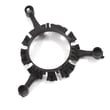
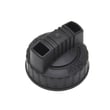
- Filter system (filter cage/float, red stripe filter, filter plate, filter nut)
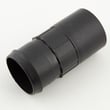
- Hose system (hose, hose adapter, hose spring tab)
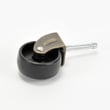
- Mobility parts (wheel assemblies and casters)
This model commonly ships with multiple cleaning and blowing attachments, such as:
- Utility nozzle, wet nozzle, car nozzle
- Crevice tool and 14-inch floor brush
- Extension wands (2)
- Detachable blower accessories (blower adapter, diffuser, blower nozzle)
- Accessory caddy (storage pockets for nozzles, wands, and hose)
| Category | Examples | What it does |
|---|---|---|
| Functional parts | Motor, switch, cord, lid gasket, drum latch | Runs the vacuum and maintains suction |
| Filtration/safety parts | Filter cage/float, filter, filter nut/plate | Filters debris and helps prevent overfill during wet pickup |
| Attachments/accessories | Nozzles, wands, floor brush, crevice tool | Targets different surfaces and tight spaces |
| Blower components | Detachable blower, diffuser, blower nozzle | Converts airflow for blowing sawdust and debris |
Knowing whether you need a functional part (like a switch, gasket, or hose) versus an accessory (like a nozzle or wand) helps you restore suction, prevent leaks during wet pickup, and keep the vacuum safe to operate.
Last updated: February 2026
How to fix a broken vacuum?
If your Craftsman 113170330 16-gallon wet/dry vacuum seems “broken,” the fix is usually restoring airflow and proper filtration: confirm the filter is installed correctly for dry pickup, clear hose/nozzle clogs, and address wet-filter or liquid pickup issues that can cause misting or weak suction. See the owner's manual for model-specific operating and filter steps.
- Unplug the vacuum before inspecting the hose, nozzle, or motor head.
- Confirm the filter is seated correctly; for dry pickup, always reinstall the filter before use.
- If suction is weak, empty the drum and clean the filter more often (fine dust loads it quickly).
- If the filter is wet and you need to vacuum dry debris, run the vacuum with the hose removed for about 10 minutes to dry the filter.
- Check the hose and wands for a clog; even a small blockage can cut airflow.
- For liquid pickup, remove the filter for large amounts of liquid to reduce exhaust misting.
Using the wrong filter condition is one of the most common “it stopped working” causes.
| What you are picking up | Filter in place? | What to watch for |
|---|---|---|
| Dry debris and dust | Yes (installed correctly) | Wet filter clogs fast and kills suction |
| Very fine dust | Yes | Empty drum and clean filter more frequently |
| Small amounts of liquid | Can stay in place | Dry the filter afterward to prevent mildew and damage |
| Large amounts of liquid | Remove filter | Filter saturation can cause misting at exhaust |
- For dry debris: tap the filter gently against the inside wall of the drum to knock dust loose.
- For fine dust: rinse water through the filter (light pressure only), then let it dry fully.
- To dry faster: reinstall the filter and run the unit about 10 minutes so clean airflow dries it.
This model relies on correct filtration and unrestricted airflow to protect the blower wheel and motor. Running with a clogged or wet filter (during dry pickup) reduces performance and can lead to avoidable wear.
Last updated: February 2026