Owner’s manual
 Error Codes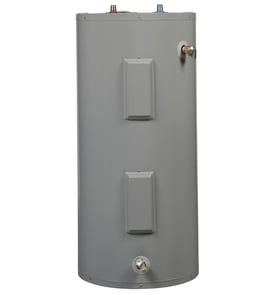




What is the average cost of a 50-gallon electric water heater?
A typical 50-gallon electric water heater usually costs about $400 to $1,300 for the unit, with installed totals commonly landing around $700 to $1,800+ once labor, fittings, and haul-away are included. For your American E6150R045D, use the E6150R045D owner's manual to confirm capacity and electrical requirements before pricing.
What changes the price the most
- Efficiency type: standard electric tanks cost less; heat pump models cost more.
- Warranty length: longer warranties usually raise the unit price.
- Electrical work: new breaker, wiring, or disconnect adds cost.
- Plumbing updates: shutoff valve, expansion tank, or piping changes add cost.
- Local code requirements: items like drain pans or seismic strapping can add materials and labor.
Typical cost ranges (unit vs. installed)
| Cost item | Typical range | What it includes |
|---|---|---|
| Water heater unit (50-gal electric) | $400 to $1,300 | Tank, factory controls, basic fittings |
| Installation labor and materials | $300 to $900+ | Labor, connectors, valves, minor piping |
| Removal and disposal | $0 to $200+ | Haul-away, recycling fees (varies) |
Why it matters for model E6150R045D
Pricing is only accurate when the replacement matches your existing setup. The manual for the E6150R045D covers key details that affect quotes, including electrical requirements, location requirements, and water system piping guidance.
Parts costs are separate from replacement cost
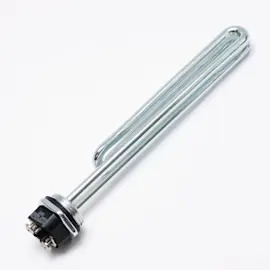
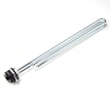
If you are comparing “replace the heater” vs. “repair the heater,” common repair parts for this model include the element 100108290 and thermostats. Replacing a failed heating element or thermostat can restore hot water at a much lower cost than a full tank replacement.
Last updated: February 2026
What is the lifespan of a 50 gallon electric water heater?
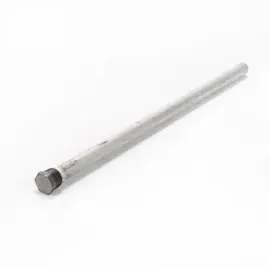
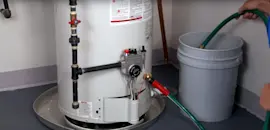
A 50-gallon electric water heater typically lasts 10 to 12 years. For your American E6150R045D, regular maintenance like tank flushing and inspecting the anode rod every 3 years helps protect the tank and can extend service life (see the E6150R045D owner's manual).
Typical lifespan and what changes it
Most 50-gallon electric water heaters land in this range, with lifespan driven mainly by water quality and maintenance.
- Hard water and sediment shorten life by insulating the heating element and stressing the tank
- Infrequent flushing allows sediment buildup that can lead to premature tank failure
- Anode rod condition matters; it is the tank’s primary corrosion protection
- High temperature settings increase scaling and wear
- Heavy daily demand increases heating cycles and component wear
Maintenance schedule we recommend
The manual for this style of electric water heater calls out anode-rod inspection intervals and explains why sediment matters.
| Maintenance item | When to do it | What it helps prevent |
|---|---|---|
| Inspect anode rod | Every 3 years | Tank corrosion, odor issues |
| Replace anode rod | If more than 50% depleted | Premature tank failure |
| Drain and flush tank | Periodically (more often with hard water) | Sediment noise, element damage |
| Check T&P relief valve operation | Periodically | Overpressure risk |
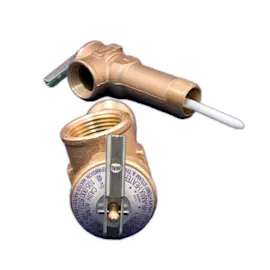
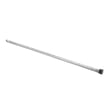
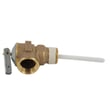
If you are planning parts ahead of time, common wear items for this model include the water heater anode rod 100109594, element 100108290, and t&p valve 100108279.
Signs it is near end of life
Use these symptoms to decide whether maintenance or a repair makes sense.
- Rust-colored water or metallic taste
- Rumbling, popping, or increased “kettling” sounds from sediment
- Frequent loss of hot water (element or thermostat issues)
- Water around the base of the tank (tank leak)
- T&P valve weeping that returns after correcting pressure and temperature
Why it matters
A water heater usually fails from tank corrosion or sediment-related damage. Keeping the anode rod in good shape and reducing sediment buildup protects the tank itself, which is the one component you cannot practically “repair.”
Last updated: February 2026
What brand of electric water heater is the most reliable?
For overall reliability, we see the best long-term results from established brands with strong parts availability and proven electric designs. Since your model E6150R045D is an American electric water heater, staying with the correct OEM-style replacement parts and following the owner's manual maintenance guidance is the most reliable path for your specific unit.
What “most reliable” usually means for electric water heaters
Reliability is mostly about how well the tank and core service parts hold up over time, plus how easy it is to keep the heater running with routine maintenance.
Common reliability factors:
- Tank corrosion resistance (anode rod condition is a big driver)
- Heating element durability and correct wattage/fit
- Thermostat accuracy and stable temperature control
- Water quality (hard water accelerates scale buildup)
- Regular draining/flushes to reduce sediment
Brand guidance (practical, not hype)
For many homeowners, these brand patterns are consistent:
- A.O. Smith: strong track record; broad parts support
- Rheem: widely used; good reliability across many lines
- Bradford White: known for durable builds and serviceability
If you already own an American unit like E6150R045D, reliability improves most when you keep the wear items in good shape rather than replacing the whole heater early.
Parts that most affect reliability on model E6150R045D
If performance drops (slow recovery, temperature swings, leaking at fittings), these are the first parts we check on this model:
| Symptom | Most likely part area | Example part for this model |
|---|---|---|
| No/low hot water | Heating circuit | Element 100108290 |
| Water too hot or fluctuating | Temperature control | Top t-stat 100108683 and lwr t-stat 100108421 |
| Dripping from discharge pipe | Safety relief | T&p valve 100108279 |
| Rusty odor, faster tank wear | Corrosion protection | Water heater anode rod 100109594 |
Why it matters
A “reliable” brand still fails early if sediment builds up, thermostats drift, or the anode rod is depleted. Keeping the heating elements, thermostats, and safety valve in good condition is what protects comfort, efficiency, and the tank itself.
Last updated: February 2026
What is usually the most common water heater problem?
The most common problem we see with an American E6150R045D electric water heater is sediment buildup in the tank, which causes popping or rumbling noises, reduces heating efficiency, and can shorten tank life. Another very common issue is loss of hot water from a failed heating element or thermostat (see the E6150R045D owner's manual).
Most common problems and what they look like
- Sediment buildup: rumbling, popping, slower recovery, higher electric bills
- No hot water: tripped reset, failed element, failed thermostat, power supply issue
- Not enough hot water: one element not heating, thermostat set too low, dip tube issue
- Water too hot: thermostat stuck or misadjusted
- Leaks at fittings or valve: loose connections, drain valve seepage, T and P valve discharge
Quick checks we recommend first (electric models)
- Turn power off at the breaker before removing access panels.
- Press the red reset button (high-limit) once; if it trips again, troubleshoot before resetting repeatedly.
- Listen for tank noise during heat-up; heavy noise often points to sediment.
- If hot water runs out fast, inspect parts commonly tied to recovery and mixing:
Common causes and likely fixes
| Symptom | Most likely cause | Typical fix |
|---|---|---|
| Rumbling/popping | Sediment on tank bottom | Drain and flush tank; maintain regularly |
| No hot water | Element or thermostat failure | Test and replace failed part |
| Water smells like “rotten egg” | Anode rod reaction with water | Inspect/replace anode rod |
| Water on floor near heater | Valve/fitting seepage or tank leak | Tighten/replace leaking valve or fitting |
Why it matters
Sediment buildup can cause premature tank failure and inconsistent temperatures. The manual also recommends installing a drain pan and routing it to an adequate drain to help protect the surrounding area from damage if normal condensate or leaks occur.
Last updated: February 2026
How to tell if an electric hot water heater is bad?
If your American water heater model E6150R045D is “bad,” you typically see repeated loss of hot water, unstable temperatures, leaks, or electrical safety trips. Many “bad heater” complaints are actually failed service parts such as a heating element or thermostat, which we can test and replace using the E6150R045D owner's manual.
Common signs your electric water heater is failing
- No hot water or hot water runs out quickly
- Water temperature swings (hot then cold)
- Breaker trips or the high-temperature limit needs frequent resetting
- Rusty or discolored hot water (often tank corrosion)
- Popping or rumbling sounds (sediment buildup)
- Water leaking from the tank or around element access areas
Quick checks you can do (before replacing the heater)
- Confirm power: Check the breaker and wiring connections (power must be off before opening panels).
- Look for leaks: Moisture at the element door can point to a gasket/element issue; water from the tank body usually means the tank is failing.
- Check recovery: If it heats slowly, sediment or a weak lower element is common.
- Match symptoms to parts: The manual troubleshooting chart points to thermostats, elements, and the high-limit reset as common causes.
What usually fails first (and what to replace)
| Symptom | Most common cause | Parts to consider for E6150R045D |
|---|---|---|
| No hot water | No power, high-limit tripped, upper thermostat failed | Top t-stat 100108683 |
| Not enough hot water | Lower element or thermostat issue, sediment | Element 100108290, lwr t-stat 100108421 |
| Water too hot | Thermostat stuck or mis-set | Top t-stat 100108683, lwr t-stat 100108421 |
| Leaking at discharge pipe | Relief valve opening or failing | T&p valve 100108279 |
Why it matters
A “bad” electric water heater can be a simple repair (thermostat, element, drain valve) or a true tank failure. Correct diagnosis prevents repeat breakdowns and helps avoid damaging a new heating element by energizing it before the tank is full.
Safety notes we follow
- Disconnect power before servicing; replace covers and panels before operating.
- Fill the tank completely with water before restoring power (dry-firing destroys elements).
- If the heater has been unused for 2 weeks or more, run hot water at a sink for several minutes before using electrical appliances connected to hot water.
Last updated: February 2026