Error Codes




What is the most common problem with KitchenAid dishwashers?
The most common issue we see with KitchenAid dishwashers like model KDTE104KPS0 is poor cleaning (dishes come out gritty, spotted, or still dirty). In most cases, the cause is restricted water flow or weak spray action from a clogged spray arm, a dirty filter area, or a wash system problem.
- Confirm the water supply valve under the sink is fully open.
- Run hot water at the kitchen faucet for 30 to 60 seconds before starting the cycle.
- Inspect and rinse the lower spray arm holes; clear debris and hard-water buildup.
- Load so tall items do not block the spray arms from spinning.
- Use fresh detergent and add rinse aid if you see spotting or filming.
- Choose a heavier cycle (or add heat options) for baked-on soils.
If the basics look good, these model-matched parts are frequent suspects:
| Symptom | What to check | Model-matched part to consider |
|---|---|---|
| Weak spray, grinding noise, poor wash | Wash pump and motor performance | Pump assembly W11460963 |
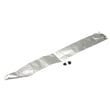
| Lower rack area not getting clean | Spray arm clogged, cracked, or not spinning | Dishwasher spray arm, lower W11550888 |
| Detergent not dispensing well | Dispenser door sticking or wax motor issue | Dispenser as W11412300 |
Dishwashers clean by combining correct water temperature, strong circulation, and unobstructed spray patterns. When any one of those drops (especially circulation or spray), the KDTE104KPS0 can run “normally” but still leave food behind.
- You smell burning or see smoke.
- The dishwasher is leaking steadily during the wash.
- The breaker trips repeatedly when the wash motor starts.
Last updated: February 2026
What's the average lifespan of a KitchenAid dishwasher?
KitchenAid dishwashers typically last 10 to 14 years with normal household use. For your KitchenAid KDTE104KPS0, lifespan depends most on water quality, how often it runs, and whether leaks and draining issues are fixed quickly using the correct replacement parts.
- Hard water and scale buildup (can shorten pump, valve, and spray performance)
- Heavy daily use (more cycles equals more wear on the motor and seals)
- Leaks that go unchecked (can damage wiring and components under the tub)
- Poor draining (stagnant water stresses the pump and can cause odors)
- Overloading racks (can block spray and strain rack wheels and rails)
If you are troubleshooting filling, leaking, or poor wash performance, these model-matched parts are often involved:
| Symptom | Common area to check | Example model-matched part |
|---|---|---|
| Not filling or fills slowly | Water supply and inlet control | Fill valve assembly W11434044 |
| Water leaking at the door | Door sealing surfaces | Dishwasher door seal, lower W11664713 |
| Won’t drain or drains poorly | Drain path and hose routing | Hose-drain,e W11414944 |
| Weak spray, poor cleaning | Wash system circulation | Dishwasher spray arm, lower W11550888 |
- Clean the filter area regularly and remove debris (labels, glass, bones)
- Run hot water at the sink before starting a cycle for better wash results
- Use detergent matched to your water hardness; avoid over-sudsing
- Inspect the door seal for food buildup; wipe it clean to prevent seepage
- Fix small leaks early to prevent damage to the sump, motor, and wiring
A dishwasher usually fails early from water-related wear (scale, leaks, restricted flow) rather than “age” alone. Keeping water moving correctly through the fill, wash, and drain systems helps your KDTE104KPS0 deliver better cleaning and avoid costly repairs.
Last updated: February 2026
Can I replace dishwasher parts myself?
Yes, for KitchenAid dishwasher model KDTE104KPS0, we can replace many common parts ourselves if we’re comfortable with basic hand tools and safe shutoffs. Jobs like swapping a spray arm, door seal, or latch are typically DIY-friendly; electrical and water-inlet repairs take more care.
These repairs are commonly straightforward on an undercounter dishwasher:
- Replacing the dishwasher spray arm, lower W11550888 if it’s cracked or clogged
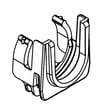
- Replacing the latch assembly (includes switch) W11412299 if the door won’t latch or start
- Replacing the dishwasher door seal, lower W11664713 for leaks at the bottom of the door
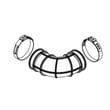
- Replacing the hose-drain,e W11414944 if it’s split, kinked, or leaking
- Replacing the dishwasher dishrack, lower W11527890 if wheels or rack structure are damaged
We recommend doing these steps every time:
- Shut off power at the breaker (dishwashers are hardwired or plugged in under the sink)
- Turn off the water supply valve under the sink
- Lay towels down; keep a shallow pan handy for residual water
- Take photos of wire and hose routing before disconnecting anything
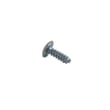
- Use the correct fasteners; a stripped screw can turn a 10-minute job into an hour (example: dishwasher screw WP9741232)
| Repair type | Typical difficulty | Why |
|---|---|---|
| Spray arm, racks | Easy | Minimal disassembly; low risk of leaks |
| Door latch, seals | Easy to moderate | Alignment matters for proper closing and sealing |
| Drain hose | Moderate | Tight spaces; must prevent leaks and kinks |
| Water inlet or fill valve | Moderate to advanced | Plumbing connections; leak risk if not sealed correctly |
Doing a DIY repair can restore cleaning performance, stop leaks, and prevent cycle interruptions. It also helps us avoid replacing larger assemblies when a single wear part (seal, latch, spray arm) is the real cause.
Last updated: February 2026