
Is central AC better than split AC?
Central AC can be better than a split (ductless) system when you want whole-home, even cooling and stronger filtration through a single return-air filter. For the Thermal Zone CA30K-1S split-system air conditioner, the better choice depends on your ductwork, room-by-room comfort needs, and installation constraints.
| Feature | Central AC (ducted) | Split AC (ductless/zone) |
|---|---|---|
| Best for | Whole-home cooling | Room-by-room zoning |
| Filtration | Typically stronger (one main filter) | Typically lighter (per indoor unit) |
| Efficiency | Can be very efficient, but duct losses matter | Often very efficient, no duct losses |
| Installation | Needs ducts (or major duct work) | Needs line set and indoor heads |
- You already have ducts in good condition and sized correctly.
- You want one thermostat and consistent temperatures across most rooms.
- You prioritize whole-home air circulation through a central filter.
- You want a simpler “one system” approach for most homes.
- You need zoning (different temps in bedrooms, offices, additions).
- You do not have ducts, or your ducts are leaky, undersized, or hard to route.
- You want to avoid duct-related comfort issues (hot/cold rooms).
- You are conditioning only part of the home (finished basement, bonus room).
Choosing the right system affects comfort, indoor air quality, and operating cost. Ducted central air can filter and mix air across the home, while split systems excel at targeted comfort and avoiding duct losses.
If you are troubleshooting power or control issues during a repair, use how to use a multimeter to test electrical parts video and how to tell if a fuse is blown to confirm voltage and basic electrical continuity safely.
Last updated: February 2026
How many indoor units of split AC?
A standard split AC system uses 1 indoor unit paired with 1 outdoor unit. For the Thermal Zone CA30K-1S split-system air conditioner, the typical setup is a single indoor air handler (or indoor coil section) matched to one outdoor condensing unit.
A “split” system is usually one-to-one. If you need multiple indoor units (multiple rooms or zones), that is typically a multi-split or ductless multi-zone design, not a single split.
Most common configurations
- Single-split: 1 outdoor unit + 1 indoor unit
- Multi-split: 1 outdoor unit + 2 to 5 indoor units (varies by system)
- Central ducted split: 1 outdoor unit + 1 indoor air handler feeding multiple rooms through ducts
| System type | Indoor units per outdoor unit | Best for |
|---|---|---|
| Single-split | 1 | One zone, whole-home ducted system, or one dedicated area |
| Multi-split | 2 to 5 (typical) | Multiple rooms or zones without adding multiple outdoor units |
| Multiple single-splits | 1 each | Separate zones with independent outdoor units |
Use these checks to confirm whether your CA30K-1S setup is single-split or part of a multi-zone design:
- Look for one indoor air handler (often in an attic, closet, basement, or mechanical room).
- Check whether there is one thermostat controlling the whole system.
- Confirm there is one outdoor condensing unit serving the home.
- If you see multiple wall-mounted indoor heads, that is typically ductless multi-zone.
- If you are tracing wiring or controls, use a safe test method and reference how to use a multimeter to test electrical parts video.
The number of indoor units affects capacity matching, controls/thermostat wiring, and which replacement parts fit (contactors, capacitors, control boards, and indoor blower components). Ordering parts by the exact model number CA30K-1S helps prevent mismatches.
Last updated: February 2026
What is the indoor unit of a split AC called?
In a split-system air conditioner like the Thermal Zone CA30K-1S, the indoor unit is typically called the air handler (or fan coil unit). It contains the evaporator coil and blower that move cooled air through your home’s ductwork.
The “indoor unit” can be referred to a few different ways depending on the system design:
- Air handler: Most common general term for the indoor fan and coil assembly
- Fan coil unit: Often used when the indoor section is a dedicated coil and blower cabinet
- Evaporator unit: Refers specifically to the indoor coil where heat is absorbed
- Furnace with evaporator coil: Common in homes where the AC shares the furnace blower
The indoor unit is the part that actually delivers cooling to the living space.
- Evaporator coil absorbs heat from indoor air
- Blower motor and fan push air across the coil
- Air filter (location varies) helps protect the coil from dust buildup
- Condensate drain removes water created during cooling
| Component | Indoor unit (air handler) | Outdoor unit (condensing unit) |
|---|---|---|
| Main job | Moves and cools indoor air | Rejects heat to the outdoors |
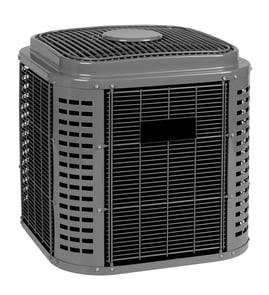
| Key parts | Evaporator coil, blower | Compressor, condenser coil, fan |
| Typical location | Closet, attic, basement | Outside on a pad or brackets |
Using the right term helps when you are troubleshooting (icing, weak airflow, water leaks) and when you are identifying the correct central air conditioner parts for the CA30K-1S.
For general repair and electrical testing basics that apply to many HVAC components, we recommend starting with how to use a multimeter to test electrical parts video.
Last updated: February 2026
What is the most expensive part to replace on an AC unit?
On a Thermal Zone split-system air conditioner like model CA30K-1S, the compressor is typically the most expensive single component to replace because it is the “pump” that moves refrigerant through the system. In many repairs, the outdoor condenser coil or indoor evaporator coil can also be high-cost items.
These are the components that most often drive the highest repair totals (parts plus labor):
- Compressor: high part cost, refrigerant recovery and recharge, and significant labor
- Condenser coil (outdoor coil): expensive coil assembly, refrigerant work required
- Evaporator coil (indoor coil): coil cost plus refrigerant work and access time
- Control board or inverter module (if equipped): can be costly and model-specific
- Refrigerant leak repair: locating the leak plus repair plus recharge can add up quickly
| Component | Why it’s expensive | What you may notice first |
|---|---|---|
| Compressor | Major sealed-system part; refrigerant handling | Outdoor unit hums, trips breaker, no cooling |
| Condenser coil | Large coil; refrigerant work | Poor cooling, high head pressure, dirty or damaged fins |
| Evaporator coil | Access and refrigerant work | Icing, weak airflow, water around air handler |
| Control board/module | Specialized electronics | No start, erratic operation, repeated lockouts |
Use these checkpoints before investing in a major repair:
- Age of the system: central AC systems typically last 15 to 20 years
- Type of failure: compressor or coil failures usually cost more than fan motors or capacitors
- Refrigerant situation: leak history and recharge needs can change the economics fast
- Overall condition: corrosion, dirty coils, and airflow issues can shorten component life
- Parts availability: confirm the exact replacement part by model number before scheduling work
The compressor and coils are part of the sealed refrigerant circuit. When one of these fails, the job often includes refrigerant recovery, brazing, evacuation, and recharging, which is why the total cost is usually higher than typical electrical repairs.
For help identifying the correct replacement parts for CA30K-1S, use the model number to search on Sears PartsDirect.
Last updated: February 2026
What is the average AC indoor unit price?
For a Thermal Zone split-system air conditioner like model CA30K-1S, the indoor unit (air handler or evaporator section) price varies widely by capacity, efficiency, and whether you are buying the unit only or paying for full installation. Most homeowners see indoor-unit equipment costs land in the low-thousands before labor.
- System type: air handler (common with heat pumps) vs. evaporator coil paired with a furnace
- Capacity match: the indoor unit must match the outdoor condenser (tonnage and metering device)
- Efficiency and features: variable-speed blower, communicating controls, humidity management
- Refrigerant compatibility: coil and metering device must match the refrigerant and outdoor unit
- Installation scope: ductwork changes, electrical upgrades, drain pan and condensate pump needs
- Local labor rates and permits: often the biggest swing in total installed cost
These ranges help set expectations for a central AC indoor section; your exact total depends on what the CA30K-1S is paired with.
| What you’re pricing | Typical range | What’s usually included |
|---|---|---|
| Indoor unit equipment only | $1,000 to $3,500 | Air handler or evaporator coil (varies by configuration) |
| Indoor unit installed (labor + common materials) | $2,500 to $7,500 | Set-up, drain work, electrical connections, start-up checks |
| Add-ons that can raise total | $200 to $2,000+ | Thermostat, condensate pump, float switch, duct transitions |
- Confirm the exact model number and any sub-model identifiers on the rating plate.
- Identify whether your indoor section is an air handler or an evaporator coil with a furnace.
- Note the refrigerant type used by the system and the line set size.
- Check whether you need a new metering device (TXV or piston) when replacing the coil.
- Compare quotes that list equipment model numbers, not just “2.5 ton coil” or similar.
An indoor unit that is mismatched to the outdoor condenser can reduce comfort, efficiency, and reliability. Pricing the correct configuration up front helps avoid repeat labor and refrigerant-related rework.
For help finding the correct replacement configuration by model number, use how to find your appliance model number (and what it means for parts).
Last updated: February 2026