


What model is KDFE104KPS1?
KDFE104KPS1 is a KitchenAid dishwasher model number. Use KDFE104KPS1 to match the correct replacement parts (like the fill valve, door seal, or latch) and to confirm fit before ordering, because similar-looking KitchenAid dishwashers can use different components.
What the model number tells you
KDFE104KPS1 identifies the exact KitchenAid dishwasher version you own. That matters most when you are:
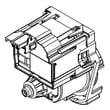
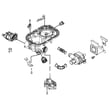
- Ordering model-specific parts such as a fill valve assembly W11434044
- Troubleshooting symptoms like not filling, leaking, or not starting
- Matching the correct control, pump, or door components
- Confirming cosmetic parts (front panel color/finish) fit your door
Quick part examples for KDFE104KPS1
These are common part categories customers match by model number:
| What you are fixing | Typical symptom | Example part for this model |
|---|---|---|
| Water fill | Won’t fill or fills slowly | Fill valve assembly (W11434044) |
| Door closing | Won’t start, door won’t latch | Latch assembly (includes switch) (W11412299) |
| Leaks at the door | Water at the front/bottom | Seal, door bottom (W11664713) |
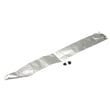
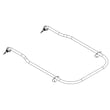
| Poor cleaning | Food left on dishes | Dishwasher spray arm, lower (W11550888) |
How to confirm you are using the right model number
Check the model tag on the dishwasher (commonly on the tub frame near the door opening). For best results:
- Match the full model number exactly: KDFE104KPS1
- Include the last digit/letter, since it can change the parts list
- Use the model number when searching for KitchenAid dishwasher parts
Why it matters
Dishwashers in the same KitchenAid family can share a similar console and tub, but use different pumps, seals, and electronic controls. Using KDFE104KPS1 prevents ordering the wrong part and helps you troubleshoot faster.
Last updated: February 2026
What is the average lifespan of a KitchenAid dishwasher?
A KitchenAid dishwasher like model KDFE104KPS1 typically lasts 10 to 14 years with normal household use. Consistent cleaning, good water quality, and fixing small problems early (leaks, poor draining, weak spray) are what most often push lifespan toward the high end.
What affects lifespan the most
- Hard water and scale buildup (can stress the pump, spray arms, and inlet components)
- Filter and sump cleanliness (food debris makes the motor work harder)
- Door sealing and leaks (water intrusion can damage wiring and controls)
- Proper draining (standing water accelerates odor, corrosion, and pump wear)
- Load habits (overloading can block spray and strain racks and rollers)
Maintenance checklist to help it reach 10 to 14 years
- Run a monthly cleaning cycle using a dishwasher cleaner.
- Rinse heavy soil off dishes and keep the bottom of the tub free of debris.
- Inspect the door perimeter and bottom for gaps, folds, or residue.
- Confirm the drain hose routing is not kinked and the sink/disposer connection is clear.
- If cleaning drops, check that spray holes are not clogged.
Common wear items (and what they do)
| Symptom | Likely area | Example part for KDFE104KPS1 |
|---|---|---|
| Not filling or fills slowly | Water inlet / fill system | Fill valve assembly W11434044 |
| Leaks at the bottom of the door | Door seal | Seal, door bottom W11664713 |
| Poor wash coverage on lower rack | Spray system | Dishwasher spray arm, lower W11550888 |
Why it matters
A dishwasher that is maintained and kept leak-free usually avoids the most expensive failures (pump/motor, electronic control, wiring). Simple upkeep also improves cleaning and drying performance over the life of your KitchenAid dishwasher.
Last updated: February 2026
What is the most common problem with a KitchenAid dishwasher?
For the KitchenAid KDFE104KPS1 dishwasher, the most common problems we see are poor cleaning (food left on dishes), not draining (standing water), and leaks at the door. These issues usually trace back to restricted water flow, a clogged drain path, or worn seals rather than a single “one-size” failure.
Most common symptoms and what they usually mean
- Dirty dishes or grit: spray arm holes blocked, filter area dirty, or low water fill.
- Standing water: drain hose restriction, sink/disposer connection blockage, or a drain pump issue.
- Leaks at the front: door seal wear, door not closing squarely, or over-sudsing.
- Won’t start or stops mid-cycle: door not latching, control not sensing a closed door.
- Long cycles: normal on many HE dishwashers, especially with heated dry and soil sensing.
Quick checks we recommend first (no parts guessing)
- Cancel/drain the cycle and confirm water actually leaves the tub.
- Inspect the drain hose routing for kinks and make sure the high loop is in place.
- Clean the sump area and check for debris around the pump inlet.
- Spin the lower spray arm by hand and clear any clogged jets.
- Close the door firmly and verify the latch engages consistently.
Parts that commonly relate to these problems on KDFE104KPS1
| Symptom | Likely area | Example part to check |
|---|---|---|
| Not filling or weak wash | Water supply into dishwasher | Fill valve assembly W11434044 |
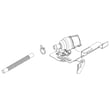
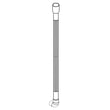
| Not draining | Drain path from tub to sink | Hose-drain,e W11414944 |
| Door won’t latch / won’t start | Door switch and latch | Latch assembly (includes switch) W11412299 |
| Leaking at bottom of door | Door bottom seal | Seal, door bottom W11664713 |
| Poor cleaning on lower rack | Spray coverage | Dishwasher spray arm, lower W11550888 |
Why it matters
When a dishwasher has low fill, restricted draining, or a door that does not seal or latch correctly, the machine cannot maintain proper wash pressure and temperature. Fixing the root cause improves cleaning, prevents leaks, and reduces repeat cycle time.
Helpful DIY references
- KitchenAid he dishwasher error codes
- Dishwasher not cleaning dishes video
- Dishwasher not draining video
- Dishwasher leaks video
Last updated: February 2026