Owner’s manual
 View engine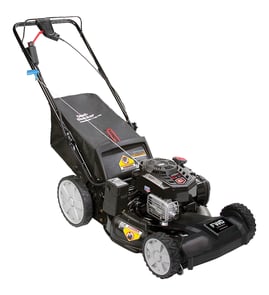



How to find Craftsman model number?
On the Craftsman walk-behind mower model 917376050, the model and serial numbers are printed on a decal on the rear of the mower housing (rear of the deck). We use that model number to match the correct parts list, owner’s manual, and diagrams for your exact mower.
Where to look on model 917376050
Check the mower with the handle folded up or down; the decal is still on the rear of the deck.
- Look at the rear of the mower housing (back of the deck)
- Check between the lower handle mounts if the sticker is partially hidden
- Wipe off grass and dirt; the decal can be hard to read when dusty
- Write down both the model number and serial number for parts lookup
What the label typically includes
Most Craftsman gas walk-behind mowers list these items together:
| Label item | What it’s used for |
|---|---|
| Model number (example: 917376050) | Identifies the exact mower version for parts diagrams |
| Serial number | Helps match production changes and correct replacement parts |
| Date of purchase (your record) | Helpful for maintenance tracking and service history |
Why it matters
Using the correct model number prevents ordering the wrong blade, drive parts, or hardware. For example, model 917376050 uses a specific 22-inch blade and drive system components that must match the deck and transmission setup.
Next step after you find it
Once you have the model number, use the exploded views and maintenance info in the 917376050 owner’s manual to confirm part locations and safe service steps before replacing items like the blade, belt, or drive control cable.
Last updated: January 2026
What are the most common issues with 917376050?
The most common issues we see on the Craftsman 917376050 walk-behind mower involve cutting performance (poor cut or vibration), self-propel/drive problems, and bagging or discharge issues. These typically trace back to normal wear items like the blade, blade adapter, drive belt, wheels, or the discharge chute.
Most common symptoms and what usually causes them
- Mower vibrates or cuts unevenly: bent/dull blade, loose hardware, worn blade adapter
- Self-propel is weak or won’t pull: stretched/worn drive belt, worn drive pawls, transmission wear, cable out of adjustment
- Grass won’t bag well or clumps: clogged deck, wet/tall grass, damaged or sticking discharge chute door, bag airflow restriction
- Wheels slip or don’t “grab”: worn drive pawls or wheel components, debris in wheel drive
- Rope pull feels rough: rope guide wear or misrouting
Quick checks we recommend first (before buying parts)
- Disconnect the spark plug wire and tip the mower safely (air filter and carburetor side up).
- Inspect the blade for bends, heavy nicks, or rounded cutting edges.
- Check the underside of the deck for packed grass that blocks airflow.
- Verify the drive control cable has proper tension and the control bar fully engages.
- Spin the rear wheels by hand; listen/feel for slipping or grinding.
Common parts that fix these problems
If your symptoms match, these are frequent replacements for this model:
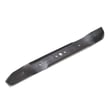
- Lawn mower blade 532406713 for vibration, poor cut, or tearing grass
- Lawn mower blade adapter 532421176 when the blade is tight but still wobbles
- Belt 532157769 for weak or no self-propel drive
- Drive pawl 532404845 for wheels that slip or intermittently drive
- Lawn mower discharge chute door assembly 532193679 for side discharge/bagging door issues
Symptom-to-part guide
| Symptom | Most likely wear item | What you’ll notice |
|---|---|---|
| Uneven cut, vibration | Blade, blade adapter | Shaking, scalping, torn grass tips |
| No/weak self-propel | Drive belt, drive pawls | Mower won’t pull or slips under load |
| Poor bagging | Chute door, bag, deck buildup | Clumping, blowout, bag not filling |
Why it matters
Addressing these wear items early protects the crankshaft, transmission, and deck. A sharp, balanced blade and a properly working drive system also reduce strain on the engine and improve cut quality.
For model-specific maintenance intervals, adjustment points, and diagrams, use the 917376050 owner’s manual.
Last updated: March 2026
What is the average lifespan of 917376050?
A Craftsman walk-behind mower like model 917376050 typically lasts 8 to 12 years with normal residential use and routine maintenance. Consistent oil changes, clean airflow, and timely belt and blade service make the biggest difference in how long the mower stays reliable.
What affects lifespan the most
- Engine maintenance: regular oil changes and a clean air filter prevent premature wear.
- Fuel care: fresh gas and off-season storage practices reduce hard-start and carburetor issues.
- Blade condition: a sharp, balanced blade reduces vibration and protects the crankshaft.
- Drive system wear: self-propel components (belt, pulleys, transmission) wear faster on hills.
- Deck care: cleaning grass buildup helps prevent rust and improves cut quality.
Maintenance schedule we recommend
Use the intervals in your owner's manual as the standard; these are the most common service checkpoints:
| Task | Typical interval | Why it matters |
|---|---|---|
| Change engine oil | Every 25 to 50 hours or each season | Extends engine life |
| Inspect and sharpen blade | Every 20 to 25 hours | Cleaner cut, less vibration |
| Check self-propel drive | Each season | Prevents slipping and poor traction |
| Clean underside of deck | As needed | Reduces corrosion and clogging |
Parts that commonly wear first on this model
These are frequent wear items for 917376050 that can shorten lifespan if ignored:
- Lawn mower blade 532406713 (dull or bent blades strain the engine)
- Belt 532157769 (slipping belt reduces self-propel performance)
- Lawn mower drive control cable 532194653 (stretched cable causes weak engagement)
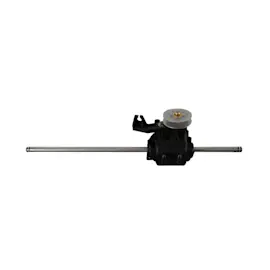
- Transmission 583222101 (wear shows up as loss of drive or uneven pull)
Why it matters
Most “end of life” mower problems are really maintenance or wear-part issues. Keeping the blade, drive belt, and drive controls in good shape helps the mower cut evenly, self-propel correctly, and avoid costly secondary damage.
Last updated: March 2026