How many decibels is a KDTS424SPS0?
The KitchenAid KDTS424SPS0 dishwasher is rated at 44 dBA, which is considered a quiet operating level for an integrated-control dishwasher. In most kitchens, you will typically hear a soft wash sound rather than a loud motor or spray noise.
- Quiet enough to run during conversations or TV time
- You may notice water movement more than the motor
- Sound can seem louder if the unit is loose in the cabinet or if dishes rattle
- Hard flooring and open floor plans can make any dishwasher seem louder
A sudden increase in noise usually points to a loading issue, a spray obstruction, or a worn wash component.
- Make sure tall items are not blocking the lower spray arm
- Reposition utensils so they do not fall through the rack and hit the spray arm
- Clean the filter to prevent grinding and cavitation sounds
- Check for a cracked or wobbling spray arm
- Confirm the dishwasher is firmly mounted and level
Helpful parts to inspect on this model:
- Dishwasher filter W11568785
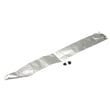
- Dishwasher spray arm, lower W11550888
- Dishwasher manifold and spray arm assembly W11545334
| Item | What to expect | What to check if it’s noisy |
|---|---|---|
| Normal operation | Soft water and swish sounds | Dishes not rattling |
| Grinding | Not normal | Filter and spray arm area |
| Thumping/clicking | Often load-related | Spray arm hitting items |
Knowing the 44 dBA rating helps you compare normal operating sound versus a new noise that signals a maintenance need (like cleaning the filter) or a part issue (like a damaged spray arm).
Last updated: January 2026
What is the average lifespan of a KitchenAid dishwasher?
Most KitchenAid dishwashers, including model KDTS424SPS0, typically last 10 to 14 years with normal household use. Consistent cleaning, correct loading, and quick fixes for draining or leaking problems are the biggest factors that keep a dishwasher running longer.
- Water quality: hard water speeds up mineral buildup on the filter, spray arms, and inlet parts.
- Cleaning and maintenance: a clogged filter or restricted spray arm reduces performance and strains the pump.
- Detergent and rinse aid use: too much detergent can leave residue; too little can cause poor cleaning.
- Loading habits: blocked spray paths and overcrowding reduce cleaning and can damage racks.
- Small leaks left unchecked: moisture can damage wiring, the door seal, and the control area.
- Clean the filter regularly; replace it if it is damaged or won’t come clean (see dishwasher filter W11568785).
- Inspect and wipe the door sealing surfaces; replace a torn or deformed bottom seal (see seal, door bottom W11664713).
- Run a monthly cleaning cycle using a dishwasher cleaner.
- Confirm the lower spray arm spins freely and isn’t cracked.
- Keep the drain path clear (air gap or high loop, no kinks in the hose).
| What you’re seeing | What it usually means | Typical next step |
|---|---|---|
| Not cleaning well | Clogged filter, blocked spray arm, low water fill | Clean filter, check spray arm, verify fill |
| Not draining | Drain hose restriction, pump issue | Check hose routing, clear blockage |
| Leaking at the bottom of the door | Worn seal, door alignment issue | Inspect seal and door closure |
| Won’t start or stops mid-cycle | Latch or control issue | Check door latch engagement |
A dishwasher near the 10 to 14 year range can still be a great candidate for repair when the issue is a wear item (filter, seal, latch). Fixing those early helps protect bigger components like the circulation pump and control.
For troubleshooting that can prevent repeat failures, use how to clean and maintain your dishwasher and, if you’re seeing flashing lights or a fault pattern, check KitchenAid he dishwasher error codes.
Last updated: January 2026
What is the most common problem with a KitchenAid dishwasher?
The most common issue we see on KitchenAid dishwashers like model KDTS424SPS0 is poor cleaning (dishes come out gritty or still dirty). In most cases, the root cause is restricted water flow or circulation from a dirty filter, blocked spray arm, or a fill or drain problem.
- Food debris left on dishes: clogged filter or restricted spray arm holes
- Cloudy glasses or grit: filter needs cleaning or wash water is recirculating debris
- Standing water in the bottom: drain path restriction or drain hose issue
- Weak spray or “no wash” sound: circulation issue in the sump or pump area
- Intermittent stopping with lights blinking: a stored fault code or door latch issue
- Remove and rinse the filter; if it is damaged or won’t clean up, replace the dishwasher filter W11568785.
- Inspect the lower spray arm for clogged jets and cracks; replace if warped or split (common on older units).
- Confirm the dishwasher is filling with hot water; low fill can mimic a wash motor problem.
- Check for a kinked or restricted drain hose; replace if soft, split, or collapsing (see dishwasher drain hose W11551233).
- If the unit won’t start or stops mid-cycle, inspect the door latch alignment and switch operation; the latch assembly (includes switch) W11412299 is a common fix.
| Problem you notice | Likely area | Part that often helps |
|---|---|---|
| Grit, debris, poor wash | Filtration | Dishwasher filter W11568785 |
| Weak spray pattern | Spray arm/manifold | Dishwasher spray arm, lower W11550888 or dishwasher manifold and spray arm assembly W11545334 |
| Low or no fill | Water inlet/fill valve | Fill valve assembly W11434044 or water inlet W11535094 |
A dishwasher that is not moving enough clean, hot water through the spray system will keep redepositing soil. Fixing filtration, spray, and fill issues early helps prevent pump strain and repeat clogs.
- Use KitchenAid microclean he dishwasher error codes when lights blink or cycles stop unexpectedly.
- For step-by-step cleaning performance checks, follow dishwasher not cleaning dishes video.
Last updated: January 2026