Owner’s manual
 Error Codes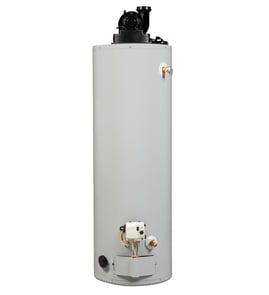






What is the average cost to install a 40 gallon gas water heater?
For an American L40T61-343 40-gallon gas water heater, a typical professional installation for a straightforward replacement usually totals about $1,200 to $2,500 (unit, labor, and common materials). Costs rise when venting, gas piping, or code-required safety upgrades are needed.
What drives the price up or down
- Direct replacement vs. relocation (moving the heater adds labor and materials)
- Venting work (new vent pipe, chimney liner, power vent conversion, extra elbows/length)
- Gas line changes (new shutoff, sediment trap, resizing, longer run)
- Water piping updates (new shutoffs, dielectric unions, expansion tank)
- Drain pan and drain line (especially when installed above finished areas)
- Permit and inspection fees (varies by city and county)
Typical cost breakdown (what you are paying for)
| Line item | Common range | Notes |
|---|---|---|
| Labor (swap in same location) | $600 to $1,500 | Access and venting complexity matter most |
| Materials and fittings | $150 to $600 | Gas, water, vent connectors, valves |
| Permit/inspection | $50 to $300 | Often required for gas appliances |
| Haul-away/disposal | $0 to $150 | Sometimes included |
Quick checklist before you get quotes
Use the L40T61-343 owner’s manual to confirm installation requirements for combustion air, ventilation, and location. When you call for estimates, have these details ready:
- Fuel type (natural gas vs. LP) and vent type (atmospheric, power vent, etc.)
- Approximate vent run length and number of elbows
- Whether the heater sits in a closet or small room (combustion air sizing matters)
- Any history of leaking at the drain valve or fittings
- Whether you want the tank flushed and a new drain valve installed during the swap
Why it matters
Gas water heaters are sensitive to installation conditions (combustion air, venting, and gas supply). Getting those details right improves performance and helps prevent nuisance shutdowns and premature component wear.
Last updated: January 2026
What is the average lifespan of a gas hot water heater?
Most gas water heaters last 8 to 12 years. For your American L40T61-343 gas water heater, regular maintenance (especially flushing sediment and keeping the burner area clean) helps you reach the upper end of that range; see the L40T61-343 owner's manual for model-specific care and safety guidance.
Typical lifespan (gas vs. electric)
Water quality, temperature setting, and maintenance frequency drive lifespan more than brand name.
| Water heater type | Typical lifespan | What usually ends its life |
|---|---|---|
| Gas tank water heater | 8 to 12 years | Tank corrosion, burner or gas control issues |
| Electric tank water heater | 10 to 15 years | Heating element failure, tank corrosion |
What shortens or extends lifespan
These are the most common factors we see with tank-style water heaters:
- Sediment buildup in the tank (reduces efficiency and can overheat the bottom)
- Anode rod depletion (once depleted, the tank corrodes faster)
- Higher temperature settings (accelerates wear and corrosion)
- Aggressive water conditions (hard water, softened water, or odor-causing reactions)
- Ventilation and combustion air problems (can affect burner performance on gas models)
Maintenance checklist that helps you get the full lifespan
Use this as a practical schedule for a gas water heater like the L40T61-343:
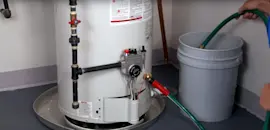
- Flush the tank periodically to reduce sediment
- Inspect for leaks at fittings and the tank base
- Test the temperature and pressure relief valve for proper operation
- Keep the burner area clear of dust and household chemical vapors
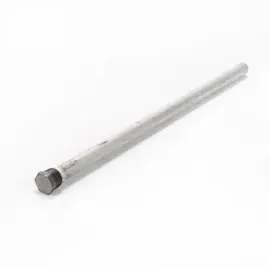
- Check the anode rod condition and replace when significantly depleted (the manual notes the anode rod protects the glass-lined tank from corrosion)
Why it matters
A water heater usually fails from tank corrosion after the anode rod is used up. Staying ahead of sediment and anode wear helps prevent surprise leaks and keeps recovery time and fuel use closer to normal.
Last updated: January 2026
What is the most common problem with a gas hot water heater?
For the American L40T61-343 gas water heater, the most common issue we see is sediment buildup in the bottom of the tank. Sediment reduces heating efficiency, can cause popping or rumbling noises during operation, and can contribute to premature tank wear if it is not flushed out regularly (see the L40T61-343 owner's manual).
What you’ll notice when sediment is the problem
- Popping, sizzling, or rumbling sounds during heat-up
- Slower hot water recovery (hot water takes longer to come back)
- Less hot water available than normal
- Higher gas usage because the burner runs longer
- Occasional temperature swings at the tap
What to check first (quick, safe checks)
- Listen for new noises during burner operation (popping is a common sediment clue)
- Confirm the thermostat setting is reasonable (overheating can trigger safety shutdown)
- Make sure the area has adequate combustion air; restricted air can cause poor flame and shutdowns
- If the install area is dusty or linty, plan to clean the flame arrestor/flame-trap as part of maintenance
- If hot water smells like rotten eggs, check anode rod condition (water chemistry can accelerate depletion)
Common symptoms and likely causes
| Symptom | Most likely cause | Typical next step |
|---|---|---|
| Popping/rumbling | Sediment in tank bottom | Drain and flush tank |
| Pilot will not stay lit | Dirty pilot/orifice or combustion air issue | Inspect air supply; service pilot system |
| Not enough hot water | Sediment, thermostat set too low, undersized heater | Flush tank; verify settings |
| Overheat status (ECO trip) | Water overheated; control safety activated | Have gas control valve/thermostat replaced by a qualified person |
Parts that may be involved in sediment-related maintenance
Sediment itself is handled by draining and flushing, but these parts often come up during service:
- Drain valve 100108269 (used when draining or if the valve leaks or won’t operate)
- Anode rod 100108571 (helps protect the tank; depletion can lead to corrosion and leaks)
Why it matters
Sediment acts like an insulating layer between the burner heat and the water. That forces longer burner run times, increases operating costs, and the manual notes it can create noise and contribute to premature tank failure.
Last updated: January 2026