Owner’s manual



What is the life expectancy of a Goodman furnace?
A Goodman gas furnace like model GMNT080-4B typically lasts 15 to 20 years with normal use and routine maintenance; in well-maintained homes, it often reaches 20+ years. Consistent airflow, clean burners, and safe venting have the biggest impact on lifespan.
- Annual inspection and cleaning of burners and heat exchanger surfaces
- Air filter changes on schedule to prevent overheating and blower strain
- Proper venting and condensate drainage (especially on high-efficiency furnaces)
- Stable electrical grounding (electronic controls need a definite ground)
- Avoiding repeated limit trips (overheat conditions shorten component life)
| Component | Typical service life | What failure looks like |
|---|---|---|
| Control board | 10 to 20 years | No ignition sequence, intermittent shutdowns |
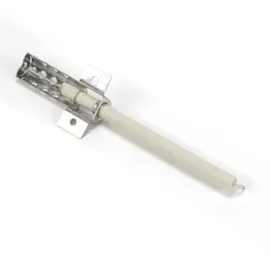
| Hot-surface igniter | 3 to 7 years | Clicks/tries to light but no flame |
| Inducer (vent) motor | 10 to 15 years | Hums, won’t start, pressure switch won’t close |
| Limit/roll-out switches | 10 to 20 years | Furnace starts then shuts down, frequent cycling |
| Heat exchanger | 15 to 25 years | Reduced heat, unusual odors, repeated safety trips |
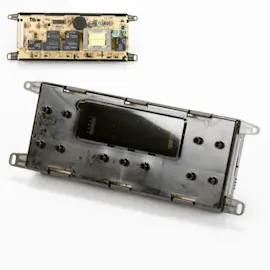
If you’re troubleshooting ignition or cycling issues on GMNT080-4B, the parts list for this model includes common wear items like the furnace hot-surface ignition control board B1809913S and the igniter B1401018S.
A furnace can still “run” while operating inefficiently or tripping safety controls. Keeping the system clean and correctly vented helps protect high-cost parts (like the heat exchanger) and reduces nuisance shutdowns.
- Replace or clean the air filter regularly during heating season
- Keep supply and return vents open and unobstructed
- Verify the condensate drain and trap stay clear and protected from freezing
- Have a technician check burner flame, manifold, and safety switches
- Use the owner's manual for model-specific inspection points and safety guidance
For replacement parts beyond the items listed here, you can also search by model number on Sears PartsDirect.
Last updated: February 2026
What is the most common part to fail on a furnace?
On a Goodman GMNT080-4B gas furnace, the most common part to fail is the igniter because it heats up to very high temperatures on every call for heat and becomes fragile over time. A failed igniter typically causes a “no heat” condition.
- The inducer (venter) runs, but the burners never light
- You see no glow at the igniter during ignition
- The furnace tries to light, then shuts down and retries
- Heat works intermittently, especially in colder weather
- You smell gas briefly, then the system stops (shuts down for safety)
Before any checks, turn off power to the furnace at the disconnect or breaker.
- Replace or clean the air filter; blocked filters can cause nuisance safety shutdowns and “no heat” symptoms
- Look for a loose plug or damaged wire at the igniter and control board
- Watch the startup sequence through the burner view area (inducer, purge, ignition, flame)
- If the igniter does not glow, the igniter or ignition control circuit is the likely issue
For the exact lighting sequence and service cautions for GMNT080-4B, use the GMNT080-4B owner's manual.
| Part | What it does | When it commonly stops heat |
|---|---|---|
| Igniter | Heats to ignite the burners | No glow, no burner ignition |
| Ignition control board | Controls the ignition sequence and timing | No power to igniter, repeated failed attempts |
| Air pressure switch | Proves inducer draft before ignition | Inducer runs but ignition never starts |
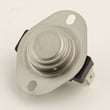
| Limit/rollout switch | Shuts burners down if overheating/flame rollout occurs | Burners shut off quickly or won’t stay on |
If troubleshooting points to ignition control or flame lighting, these model-matched parts are commonly involved:
- Igniter B1401018S
- Furnace hot-surface ignition control board B1809913S
- Furnace air pressure switch B1370176
- Furnace burner roll-out limit switch B1370145
You can order replacement parts for your Goodman GMNT080-4B from the parts list for this model, or search by model number on Sears PartsDirect.
The igniter is a high-wear ignition component; when it weakens or cracks, the furnace cannot light the burners reliably. Keeping airflow correct (clean filters and adequate return air) also helps prevent safety trips and reduces stress on the heating system.
Last updated: February 2026
What is the most expensive part to fix on a furnace?
On a Goodman GMNT080-4B gas furnace, the most expensive repair is the heat exchanger (primary or secondary) because the part cost is high and replacement requires major disassembly, reassembly, and safety checks. Use the GMNT080-4B manual for inspection and service guidance.
These repairs most often create the highest total cost (part plus labor):
- Primary heat exchanger replacement
- Secondary heat exchanger replacement
- Inducer (vent) motor replacement
- Blower motor or blower wheel replacement
- Ignition control board replacement
These are model-listed parts that commonly fall into the “higher cost” category:
| Repair area | Example part for this model | Why it runs expensive |
|---|---|---|
| Primary heat exchanger | Furnace primary heat exchanger, 24.5-in 4821404S | High part cost; extensive teardown and safety verification |
| Secondary heat exchanger | Furnace secondary heat exchanger 4021309S | Time-consuming access; careful reassembly and checks |
| Inducer (vent) motor | Furnace inducer vent motor assembly 0131M00002PSP | Critical for safe venting; diagnosis plus replacement time |
| Ignition control board | Furnace hot-surface ignition control board B1809913S | Higher electronics cost; wiring and grounding must be correct |
The heat exchanger is a safety-critical component. The GMNT080-4B manual includes heat exchanger inspecting and cleaning steps and calls out checking for cracks or openings; that level of safety focus and labor is why heat exchanger replacement is typically the most expensive furnace repair.
We recommend these steps to avoid replacing the wrong component:
- Turn off electrical power and shut off the gas supply before inspection
- Check the furnace status light blink code and follow the sequence of operation
- Verify venting is clear and the pressure switch operates correctly
- Inspect the heat exchanger with a bright light as described in the manual
- If you find cracks or openings, keep the furnace off until it is repaired
If you need to order parts beyond what’s listed for GMNT080-4B, you can also search by model number on Sears PartsDirect.
Last updated: February 2026