Owner’s manual
 View engine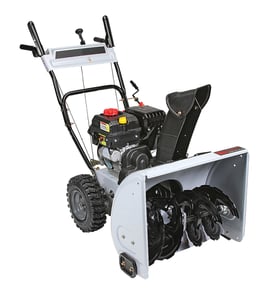


What is the typical lifespan of a gas snowblower?
For the Craftsman snow thrower model 247887810, the operator’s manual lists an average useful life of 7 years or 60 hours of operation; with consistent maintenance and proper off-season storage, many gas snowblowers deliver reliable service beyond that benchmark. See the 247887810 operator’s manual.
What “lifespan” means for this model
The manual’s “average useful life” is a safety and wear guideline tied to time and operating hours. It helps you plan inspections and maintenance as the machine ages.
- Time-based: 7 years is the baseline guideline
- Hour-based: 60 total operating hours is the baseline guideline
- Usage matters: heavy, wet snow and frequent use wear parts faster
- Storage matters: poor storage accelerates fuel-system and corrosion issues
Maintenance habits that extend service life
The biggest lifespan gains come from preventing fuel varnish, rust, and drive wear.
- Run the machine briefly to clear snow before storing to help prevent freeze-up
- Drain fuel by running the engine until it stops for storage periods over 30 days
- Change engine oil before storage
- Lubricate the drive hex shaft at least once per season or every 25 hours (keep oil off the friction wheel and drive plate)
- Inspect fuel line, tank, cap, and fittings for cracks or leaks and replace as needed
Quick reference: baseline vs. “well maintained” expectations
| Scenario | What to expect | What usually limits life |
|---|---|---|
| Average-use guideline (this model) | 7 years or 60 hours | Normal wear, aging rubber, corrosion |
| Well maintained, stored correctly | Often longer than the guideline | Fuel-system issues, drive wear, rust |
Why it matters
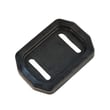
Knowing the 7-year or 60-hour guideline helps us time preventative service. As the snowblower ages, annual inspections and proactive replacement of wear items (belts, cables, skid shoes, scraper blade, shear pins) reduce downtime during storms.
Last updated: January 2026
How to get rid of an old snowblower?
If you are getting rid of a Craftsman snow thrower like model 247887810, drain the fuel and oil first, then choose a disposal option that fits your area: scrap metal recycling, municipal bulky pickup, donation (if it runs), or a junk-haul service. Use the 247887810 owner's manual for safe fuel-handling and storage steps.
Safe prep before disposal (do this first)
- Run the engine until it stops to empty the fuel tank; this helps prevent spills.
- Turn the engine off, remove the key, and let the machine cool completely.
- Wipe off moisture and packed snow so it is safer to move and load.
- Keep the unit level during transport to reduce fuel or oil leakage.
- Store it outdoors or in a well-ventilated area until it is picked up.
Best disposal options (most common)
- Scrap yard or metal recycler: Often the fastest option for a non-running unit.
- City or county bulky waste pickup: Schedule a pickup if your municipality offers it.
- Donation: Donate only if it starts, drives, and the auger engages safely.
- Small-engine shop trade-in: Some shops accept old equipment when you buy a replacement.
- Junk removal service: Convenient if you cannot load or transport it.
Quick comparison
| Option | Best for | What you do | Typical cost |
|---|---|---|---|
| Scrap/recycling | Broken units | Drain fluids, transport | Low or none |
| Bulky pickup | Easy curbside removal | Schedule pickup | Low to moderate |
| Donation | Working units | Confirm it runs safely | Usually free |
| Junk removal | No truck or lifting help | Set appointment | Moderate to high |
Why it matters
Fuel vapors can ignite and spilled oil can contaminate surfaces. Properly draining fluids and keeping the snowblower level protects your home, vehicle, and the people handling the equipment.
Last updated: January 2026
Is it worth fixing a snowblower?
Fixing a Craftsman snow thrower like model 247887810 is worth it when the problem is a normal wear item (shear pins, cables, belts, skid shoes, scraper blade) and the machine is otherwise solid; those repairs restore performance without the cost of replacing the whole unit.
Quick rule of thumb we use
- Fix it when the repair is a maintenance part and the engine runs well.
- Replace it when the repair involves major drivetrain or engine damage, or repeated failures.
- Decide fast if you need reliability for frequent storms; downtime matters.
Repairs that are usually worth it (common, lower cost)
- Auger stops turning because a shear pin broke (a designed safety feature)
- Worn skid shoes or scraper blade causing poor scraping and uneven clearing
- Stretched or damaged control cables (auger clutch, drive, speed selector)
- Belt wear or slippage (auger belt issues are commonly serviceable)
- Routine tune-up items (spark plug check, oil change, lubrication)
If your auger is not turning after hitting ice or a foreign object, the manual calls out using the correct OEM shear pin; for this model family that includes 738-04124A. See the 247887810 owner’s manual for the replacement procedure and safety steps.
Repairs that often push you toward replacement
| Symptom | What it can indicate | Typical direction |
|---|---|---|
| Loud grinding from auger housing | Gearbox or auger drive damage | Replace if major parts are needed |
| Won’t drive even after cable adjustment | Friction wheel or drive system wear | Fix if isolated; replace if widespread |
| Hard starting after storage, surging | Fuel system varnish/carburetor issues | Fix if engine is otherwise healthy |
| Multiple major issues at once | Overall wear, corrosion, fatigue | Replace |
Safety and “hidden cost” checks before you decide
- Disengage controls, stop engine, wait for auger/impeller to stop
- Disconnect and ground the spark plug wire before inspecting or repairing
- Check fasteners frequently; loose hardware accelerates wear
- Inspect shave plate and skid shoes often; replace worn parts with OEM-spec parts
- Confirm control levers engage and disengage correctly (adjust as needed)
Why it matters
A snowblower is a system: worn wear-parts (shear pins, skid shoes, scraper blade, cables) can make a good machine feel “worn out.” Restoring those items often brings back throwing distance, traction, and safe control without the cost of a new unit.
Last updated: January 2026
What is the most common problem with snow blowers?
The most common problem we see on the Craftsman 247887810 snow thrower is loss of snow-throwing performance from a clogged discharge chute or an auger that stops turning after a jam (often due to sheared shear pins). Starting issues from fuel and ignition maintenance are also very common on gas snowblowers; see the 247887810 owner's manual for model-specific safety and troubleshooting steps.
Most common issues (and what they look like)
- Clogged chute or auger housing: snow stops discharging or discharge becomes weak.
- Sheared shear pin(s): one or both augers stop turning after hitting ice, a newspaper, or a hidden object.
- Loose or damaged auger belt: auger engagement feels normal, but the auger does not spin strongly.
- Cable out of adjustment: auger or drive does not fully engage when you squeeze the handle.
- Fuel or spark plug problems: hard starting, surging, or stalling (especially after storage).
Quick checks we recommend first
- Shut the engine off and wait for all moving parts to stop before checking anything near the auger or chute.
- Clear the discharge chute with a clean-out tool, not your hands (the manual calls this out as a major injury risk).
- Inspect the augers: if an auger is not turning, check for a sheared pin and clip.
- Check auger control feel: excessive slack often points to a cable adjustment or belt issue.
- If it will not start: drain old fuel, verify fresh unleaded gas, and check the spark plug condition.
Common symptom-to-cause guide
| Symptom | Most likely cause | Typical fix |
|---|---|---|
| Runs but will not throw snow | Chute clogged | Shut off engine; clear chute with tool |
| One auger not turning | Shear pin sheared | Replace shear pin and clip |
| Auger weak or intermittent | Belt loose/worn or cable needs adjustment | Adjust cable; replace belt if worn |
| Plows snow instead of blowing | Ground speed too slow in wet snow; possible sheared pin | Increase speed; replace shear pin if needed |
Why it matters
A clogged chute or jammed auger is more than an inconvenience; it is the situation most likely to lead to unsafe clearing attempts. Using the correct shear pins also protects the auger gearbox from expensive damage.
Last updated: January 2026