Error Codes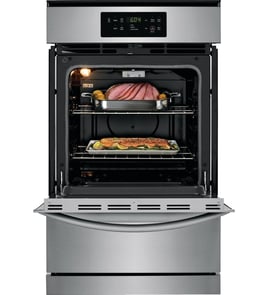



What is the disadvantage of a wall oven?
A wall oven like the Magic Chef 9112VPV is great for an ergonomic kitchen layout, but the main disadvantages are higher total cost (appliance plus cabinet work), more involved installation, and harder access for service because the oven is built into the wall.
- Higher overall cost: you often pay for the wall oven plus carpentry or cabinet modifications.
- More complex installation: gas supply, shutoff access, and proper venting/clearances must be right.
- Service access can be tougher: built-in units may need to be pulled from the cabinet for some repairs.
- Separate cooktop required: if you want surface burners, you typically need a separate cooktop.
- Height tradeoffs: mounting too high can make lifting heavy roasts or casseroles less safe.
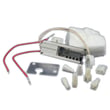
Because a wall oven is enclosed, small issues can still require partial disassembly or pulling the unit forward. For example, if the oven will not heat and the igniter is weak, replacing an oven igniter 12400035 is a common fix on gas ovens.
| Symptom | Common cause | Example part for 9112VPV |
|---|---|---|
| Oven will not bake or takes too long to light | Weak igniter | Oven igniter (12400035) |
| Oven light does not work | Burned-out bulb | Oven bulb (8009) |
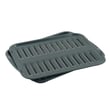
| Messy broiling, no pan available | Missing/worn accessory | Broiler pan (4396923) |
Wall ovens can be an excellent choice for kitchen workflow, but planning for installation space and future service access helps avoid surprises. If you are remodeling, leaving enough slack in the gas line and ensuring the shutoff is reachable can make future maintenance much easier.
Last updated: January 2026
Do gas wall ovens need to be vented?
Yes. A Magic Chef gas wall oven like model 9112VPV must vent combustion byproducts and heat through its built-in oven vent, and it also needs a steady supply of fresh air for proper burner combustion. Keep the vent area and lower front panel area clear so airflow is not restricted.
Most gas wall ovens are not connected to a duct that runs outdoors. Instead, they are designed to:
- Exhaust heat and combustion byproducts through the oven’s built-in vent path
- Pull in room air for combustion
- Rely on correct cabinet cutout clearances and an unobstructed front/vent area
- Work with a kitchen range hood or general room ventilation (recommended, especially during long bakes)
- Keep the oven vent openings clear of foil, pans, towels, and cabinet liners.
- Avoid blocking the lower front panel area; many wall ovens draw combustion air from this region.
- Use a range hood or kitchen exhaust fan when cooking for long periods.
- If you smell gas or see soot, stop using the oven and have the gas supply and burner system checked.
- Seal gaps around the oven face or trim with insulation or tape.
- Cover vent slots to “keep heat in”; that can cause overheating and poor combustion.
- Store items that can melt or scorch near the vent outlet.
| What you notice | What it often points to | What to check first |
|---|---|---|
| Weak bake heat, delayed ignition | Restricted airflow or ignition issue | Vent area clear; igniter condition |
| Sooty residue or strong odors | Poor combustion | Venting/air supply; burner/igniter |
| Cabinet getting unusually hot | Vent blocked or installation clearance issue | Vent openings; surrounding clearance |
If the bake burner is slow to light or won’t stay lit, a weak igniter is a common cause on gas ovens. For this model, the matching part is the oven igniter 12400035.
Proper venting and airflow help the burner ignite reliably, maintain stable flame, and prevent overheating of the oven and surrounding cabinetry.
Last updated: January 2026
Can you put a wall oven under a gas cooktop?
Yes, a wall oven can be installed under a gas cooktop in many kitchens, but the cooktop and cabinet must be approved for that configuration and you must maintain the required clearances. For the Magic Chef 9112VPV, confirm fit and clearances using the cooktop and oven installation requirements before you cut or modify cabinetry.
- Verify the cooktop is rated for installation over a wall oven (some are not).
- Maintain at least 1/4-inch clearance between the cooktop burner box and the top of the wall oven (measure from the bottom of the cooktop burner box).
- Confirm the cabinet cutout dimensions match both appliances.
- Make sure the oven has proper ventilation space and is not sealed tight in the cabinet.
- Keep gas and electrical connections accessible; do not trap shutoff valves or junction boxes.
Installing a gas cooktop over a gas wall oven adds heat and fuel considerations in a tight space.
| What to check | What “good” looks like | What causes problems |
|---|---|---|
| Gas line routing | No kinks, protected from heat | Pinched line, heat exposure |
| Electrical supply | Correct voltage and grounded | Shared/overloaded circuit |
| Venting/airflow | Openings per cabinet design | Oven overheating, nuisance shutdowns |
Clearances and airflow prevent overheating, protect wiring and gas components, and help the oven maintain stable baking temperatures.
If you are troubleshooting ignition after an install or re-fit, the oven igniter is a common wear item on gas wall ovens like the 9112VPV: oven igniter 12400035.
Last updated: January 2026
Are wall ovens a standard size?
Wall ovens are mostly standardized, but they are not one universal size. For the Magic Chef 9112VPV gas wall oven, you still need to match the cabinet cutout to the oven’s width, height, and depth because single wall ovens commonly come in a few standard size groups.
Most single wall ovens are built around these nominal widths:
- 24 inches (compact)
- 27 inches (mid-size)
- 30 inches (most common)
Typical cabinet cutout dimensions vary by brand and model, but many single wall ovens fall into these general ranges:
- Height: about 27 to 29 inches
- Depth: about 22 to 24 inches (to fit standard cabinetry)
Because small differences matter (even 1/8 inch), we recommend verifying the opening before ordering parts or planning a replacement.
- Measure the cabinet cutout width at the front and back
- Measure the cutout height on both sides
- Measure the cutout depth to the back wall (and note any gas line clearance)
- Check for trim overlap (the face frame can hide small gaps)
- Confirm gas supply location and shutoff access
| Size group | Nominal width | Typical cutout height | Typical cutout depth |
|---|---|---|---|
| Compact | 24 in. | 27 to 29 in. | 22 to 24 in. |
| Mid-size | 27 in. | 27 to 29 in. | 22 to 24 in. |
| Standard | 30 in. | 27 to 29 in. | 22 to 24 in. |
A wall oven can look “standard” but still not fit if the cabinet cutout is off slightly. Getting the size right prevents installation delays, cabinet modifications, and issues with door clearance and ventilation.
If you are troubleshooting performance instead of replacing the oven, a weak or no-heat condition on many gas wall ovens often points to the igniter; the oven igniter 12400035 is a common replacement part for this model.
Last updated: January 2026