Error Codes




How long do Whirlpool wall ovens last?
Most Whirlpool wall ovens like model RBS275PDQ17 last 13 to 15 years with normal use and basic maintenance. Heat-related wear (elements, sensors, door seals, and cooling airflow) usually determines whether the oven stays reliable as it ages.
Typical lifespan and what affects it
- Usage frequency: daily baking and high-heat broiling shortens life compared to occasional use
- Heat management: blocked vents or a failing cooling fan can overheat controls and wiring
- Door seal condition: heat leaks make the oven work harder and can cause temperature swings
- Electrical health: loose connections at the terminal block can cause intermittent power issues
- Cleaning habits: heavy spills and harsh scraping can damage finishes and components
Parts that commonly impact “how long it lasts”
If your RBS275PDQ17 starts running hot/cold, takes longer to preheat, or shuts down mid-cycle, these parts are common culprits:
| Symptom | Common cause | Example part for this model |
|---|---|---|
| Oven temperature is inaccurate | Sensor drifting out of range | Wall oven temperature sensor WPW10131825 |
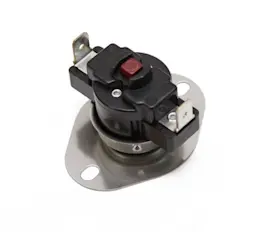
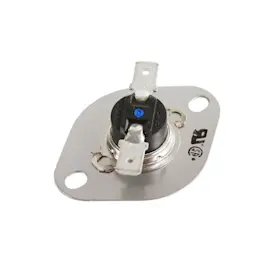
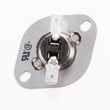
| Oven overheats or trips off | High-limit thermostat opening | Range high-limit thermostat WP9759243 |
| Exterior gets unusually hot, fan noise changes | Cooling airflow problem | Blower WPW10176670 |
Maintenance that helps you reach the full lifespan
- Keep the door closing firmly; replace worn gaskets and bumpers when heat leaks start
- Avoid slamming the door; it stresses hinges, glass, and latch components
- Keep vents and airflow paths clear around the wall oven cabinet
- Wipe up sugary spills quickly (after the oven cools) to prevent baked-on damage
- If you smell hot insulation or see flickering power, stop using the oven and check wiring connections
Why it matters
A wall oven that holds temperature accurately and manages heat properly puts less stress on the bake/broil system, controls, and wiring. That is the difference between an oven that feels “old but usable” and one that becomes unreliable before the 13 to 15 year mark.
Last updated: January 2026
How much are electric wall ovens?
Most electric wall ovens cost about $1,000 to $3,500 depending on size (single vs. double), features (convection, self-clean), and finish. For a Whirlpool built-in oven like RBS275PDQ17, the best way to budget is to match the cutout size and electrical requirements first.
Typical price ranges
- Basic single wall oven: $800 to $1,500
- Mid-range single wall oven: $1,500 to $3,000
- Premium single wall oven: $3,000 to $5,000+
- Double wall oven: $2,000 to $6,000+
| Type | Common width | Typical price band |
|---|---|---|
| Single wall oven | 24 to 30 inches | $800 to $5,000+ |
| Double wall oven | 27 to 30 inches | $2,000 to $6,000+ |
What drives the price up (and what to check before you buy)
- Size and cutout fit: 24-inch vs. 27-inch vs. 30-inch cabinets
- Cooking features: convection fan, air fry modes, temperature probe support
- Cleaning system: self-clean often costs more than manual clean
- Controls: touch controls and advanced displays typically add cost
- Electrical needs: most built-in electric ovens use a dedicated 240V circuit
Why it matters
If the new oven does not match your cabinet cutout and power supply, installation can require cabinet modifications or electrical work, which can add significant cost beyond the oven price.
When repair is the better value
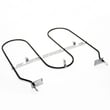
If your Whirlpool RBS275PDQ17 heats unevenly or will not hold temperature, a repair is often far less expensive than replacement. Common fix-related parts include the wall oven temperature sensor WPW10131825 and the broiler element WP9760771.
Last updated: January 2026
Are wall ovens hardwired or plug-in?
Whirlpool electric wall ovens like model RBS275PDQ17 are typically hardwired (direct-wired) to a junction box, not plugged into a standard outlet. Most installations use a flexible conduit from the oven to an approved junction box to meet electrical and safety requirements.
What you should expect for RBS275PDQ17
Most built-in electric wall ovens are installed as a permanent appliance connection:
- Power is shut off at the breaker, then wiring is connected in a junction box
- The oven’s flexible conduit is routed to the junction box
- A strain relief is used where the conduit enters the box
- A dedicated circuit is used (commonly 240V)
- A standard cord-and-plug setup is uncommon for wall ovens
Quick comparison: hardwired vs plug-in
| Connection type | Typical for wall ovens | What it uses | Common reason |
|---|---|---|---|
| Hardwired (direct-wired) | Yes | Junction box + conduit | Permanent installation, code compliance |
| Plug-in | Rare | Receptacle + power cord | More common on some ranges, not most wall ovens |
If you are replacing or reinstalling the oven
Before you plan cabinetry work or electrical changes, we recommend these checks:
- Confirm you have an approved junction box in the cabinet cutout area
- Verify the breaker size and wire gauge match the oven circuit requirements
- Inspect the conduit and wiring for heat damage or brittle insulation
- If the oven is dead or trips the breaker, check for burned connections at the junction box
- If you see overheating at the connection point, consider replacing the terminal connection components such as the terminal block WP8203546
Why it matters
A wall oven draws high current and runs at high temperatures. A proper hardwired junction-box connection helps prevent loose connections, nuisance breaker trips, and overheated wiring during bake and broil cycles.
Last updated: January 2026
What is the disadvantage of a wall oven?
A wall oven like the Whirlpool RBS275PDQ17 typically costs more to buy and install than a freestanding range, and repairs can take longer because the unit is built into cabinetry. You also need a separate cooktop, which can increase total kitchen cost and planning.
Common disadvantages to plan for
- Higher total cost: wall oven plus a cooktop, plus cabinetry and electrical work.
- More complex installation: built-in fit, leveling, and secure mounting matter.
- Harder service access: technicians often need to pull the oven from the cabinet.
- Heat management: cooling airflow is critical; a failing cooling fan can cause overheating symptoms.
- Ergonomics vary: depending on mounting height, you may still bend to load heavy roasts or remove hot racks.
What this means for repairs and parts
Because a built-in oven is enclosed, small issues can feel bigger. For example, if the oven runs hot or cold, we often start by checking the sensor circuit and the oven temperature sensor.
| Issue you notice | Common area to check | Example part for RBS275PDQ17 |
|---|---|---|
| Baking temperature seems inaccurate | Temperature sensing circuit | Wall oven temperature sensor WPW10131825 |
| Oven exterior feels unusually hot | Cooling airflow and fan operation | Blower WPW10176670 |
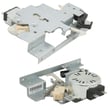
| Self-clean will not start or door will not unlock | Door lock/latch mechanism | Oven door latch WPW10195934 |
Why it matters
Wall ovens deliver a built-in look and flexible kitchen layouts, but the tradeoff is that installation, ventilation, and service access become part of the ownership cost. Planning for those factors up front helps avoid surprises later.
Last updated: January 2026