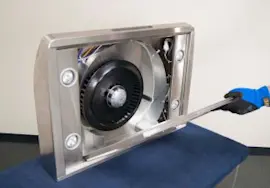
Installation guide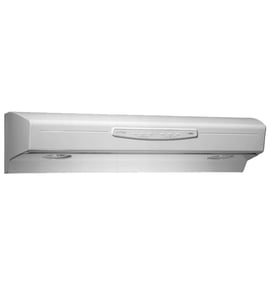



What are the parts of a range hood called?
Most range hoods (including the Broan K210A30SS) are made up of the hood body (canopy), ventilation path (ducting or recirculation), fan system, controls, lighting, and filters. The exact names vary by brand, but these are the standard component groups you will see when ordering parts.
- Canopy or hood body: the main metal housing that captures smoke and grease
- Flue cover or duct cover: decorative cover that hides the ductwork above the hood
- Blower or fan assembly: moves air through the hood and out the duct (or through charcoal filters)
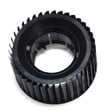
- Blower wheel (impeller): the spinning wheel that actually pushes air
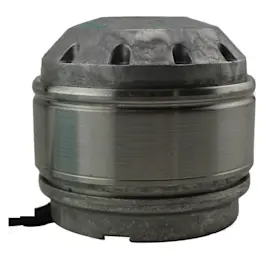
- Motor: drives the blower wheel
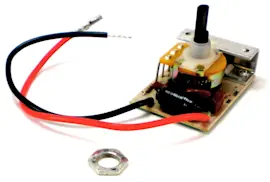
- Controls: switches or an electronic control board that runs fan speeds and lights
- Grease filters: trap grease before it reaches the blower and duct
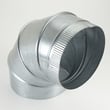
- Duct damper: prevents outside air from flowing back into the kitchen
These are common names used for parts on this Broan model:
| Part group | Example part name | Example part ID |
|---|---|---|
| Controls | Electronic control board | SV03255 |
| Air-moving | Impeller | SV03399 |
| Air-moving | Blower motor | SV03457 |
| Venting | Damper | 421 |
| Trim/cover | Flue cover, upper | SV03500 |
If you are troubleshooting a symptom (no fan, noisy fan, weak airflow), the parts most often involved are the blower motor, blower wheel/impeller, damper, and the control board.
Using the correct part name helps you match the right diagram section and order the correct replacement for your Broan K210A30SS. For example, “blower” and “blower motor” are different parts, and “impeller” is often the blower wheel inside the blower housing.
For the correct terminology and venting setup for your installation, use the installation guide.
Last updated: February 2026
How to find broan range hood model number?
Your Broan range hood model number is on the hood’s rating label (data plate), usually inside the hood where the filters sit or behind the grease filters. Once you have it, you can match the exact parts and diagrams for your hood, including the Broan K210A30SS.
Check these locations in this order:
- Behind the grease filters: remove the filters and look on the inner side walls or the blower housing area
- Inside the hood canopy: along the top panel near the light sockets or wiring cover
- Near the wiring junction box cover: often close to where the power cable enters
- On the back or top of the hood (less common): may require looking above the hood or inside the chimney area
The rating label is typically a small sticker or metal plate. Record:
- Model number (example format: K210A30SS)
- Serial number (helps confirm production run)
- Electrical rating (volts/amps) for reference during troubleshooting
| If you see this | Use this for parts lookup | Why it matters |
|---|---|---|
| Model number | Yes (required) | Ensures parts fit your exact hood |
| Serial number | Helpful | Confirms version changes within a model |
| “Type” or “Series” | Sometimes | Can narrow down similar-looking units |
Broan range hoods often have multiple versions that look similar but use different components. Using the correct model number helps you choose the right replacement parts, such as a range hood electronic control board SV03255, blower components, or a damper.
- Clean grease buildup gently with a degreaser and a soft cloth
- Take a phone photo and zoom in to read faded print
- Copy the model number exactly, including letters and dashes
For model-specific installation details and label location guidance, use the installation guide.
Last updated: February 2026
What is the life expectancy of a range hood?
Most range hoods, including the Broan K210A30SS, last 10 to 20 years; 15 years is a solid typical lifespan with normal cooking and routine cleaning. The biggest life-shorteners are grease buildup, poor venting, and worn fan or control components.
- Filter and blower cleanliness: grease buildup makes the fan work harder and run hotter.
- How often you cook: daily high-heat cooking shortens motor and control life.
- Venting setup: long duct runs, tight elbows, or a stuck damper reduce airflow.
- Moisture and heat exposure: steam and high heat accelerate wear on wiring and controls.
- Part wear: motors, blower wheels, and electronic controls are common end-of-life items.
| Component | Typical lifespan | Common symptom |
|---|---|---|
| Grease filters | 1 to 5 years (depends on cleaning) | Poor airflow, greasy odor |
| Blower wheel / impeller | 8 to 15 years | Noise, vibration, weak suction |
| Blower motor | 10 to 20 years | Fan won’t start, overheats |
| Electronic control board | 10 to 20 years | Fan or lights act erratic |
- Clean or replace filters on a schedule (monthly cleaning is common for heavy cooking).
- Wipe the underside and fan intake area to prevent grease from reaching the motor.
- Confirm the damper opens freely and the duct path is not restricted.
- If the fan gets noisy, inspect the blower wheel for grease buildup and looseness.
A range hood that is near end-of-life often still “runs,” but it stops moving enough air. That leads to more smoke, lingering odors, and grease settling on cabinets and walls. If airflow is weak, use our troubleshooting steps in range hood fan not pulling much air.
If the hood is otherwise in good shape, replacing a failed component can restore full performance. Common repair parts for this model include the range hood electronic control board SV03255 and the range hood blower motor, ccw SV03457. For safe access, wiring routing, and mounting details, follow the installation guide.
Last updated: February 2026
Is broan K210A30SS a good range hood?
Yes. The Broan K210A30SS is a solid choice when you want dependable everyday ventilation and straightforward serviceability; it uses standard range hood components (controls, blower parts, dampers) that are designed to handle heat, grease, and frequent use. For the best results, install and vent it exactly as specified in the installation guide.
A range hood is doing its job when it captures smoke and grease, vents air efficiently, and runs without excessive noise or vibration.
Key signs a hood is a good fit:
- Airflow matches your cooking style (light cooking vs. frequent high-heat searing)
- Ducting is properly sized and routed (short, smooth, minimal elbows)
- Controls respond consistently and fan speeds change smoothly
- Filters are easy to remove and clean
- Replacement parts are available if performance drops over time
We recommend verifying these items right away:
- Fan pulls air strongly at the front burners (not just at the back)
- Damper opens freely and closes when the fan is off
- No rattling from the blower wheel or impeller
- No air leaks at duct joints
- Hood is level and securely mounted
| Symptom | Most common cause | Typical fix |
|---|---|---|
| Fan runs but weak suction | Restricted ducting or dirty filters | Clean filters; correct duct routing |
| Loud or vibrating | Blower wheel/impeller issue | Inspect and replace worn blower parts |
| Fan or lights act erratic | Control problem | Check wiring; replace control if needed |
If the fan performance is inconsistent, the range hood fan not pulling much air guide walks through the most common airflow restrictions.
A properly installed, correctly vented hood keeps grease off cabinets, reduces lingering odors, and helps protect your kitchen air quality. Most “bad hood” complaints come from ducting issues, not the hood itself.
Last updated: February 2026