Owner’s manual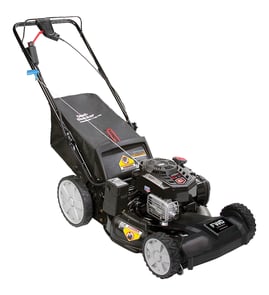




Is a walk behind a mower worth it?
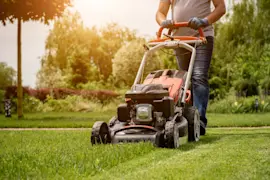
Yes, a walk-behind mower is worth it for most homeowners with small to medium lawns because it gives you precise control around landscaping, stores easily, and keeps maintenance straightforward. For the MTD 11A-414E729, following the safety and operating steps in the owner's manual helps you get the best results.
When a walk-behind mower is the right choice
A walk-behind mower typically makes the most sense when you want maneuverability and a clean cut without the size and cost of a riding mower.
- Your yard has tight areas (trees, beds, fences, slopes)
- You want easier storage in a shed or garage
- You prefer simpler upkeep (blade, cable, height adjusters)
- You mow more often and want better control over cut quality
- You want to bag clippings sometimes (especially when grass is tall)
Safety and usability factors that affect “worth it”
Walk-behind mowers are powerful cutting machines, so safe operation is part of the value equation.
- Keep children and bystanders at least 75 feet away while mowing
- Wear eye protection and sturdy shoes (avoid sandals)
- Stay behind the handles; keep hands and feet away from the cutting deck
- Stop the engine and wait for all moving parts to stop before adjustments
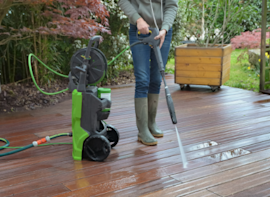
- Avoid washing the mower with a pressure washer or garden hose; it can shorten component life
Quick comparison: walk-behind vs riding mower
| Feature | Walk-behind mower | Riding mower |
|---|---|---|
| Best for yard size | Small to medium | Medium to large |
| Maneuverability | High | Medium |
| Storage space | Low | High |
| Typical maintenance | Lower | Higher |
Why it matters
Choosing the right mower type affects cut quality, time spent mowing, and long-term reliability. With a walk-behind mower like the MTD 11A-414E729, consistent blade care and safe operating habits help prevent poor cutting, clogging, and avoidable wear.
Last updated: February 2026
What gas can go in a lawn mower?
For the MTD lawn mower model 11A-414E729, use fresh, clean unleaded gasoline in the fuel tank. Gasoline is extremely flammable, so we only recommend fueling outdoors with the engine off and cool, and keeping all ignition sources away (see the safety section in the owner's manual).
Fuel type and what to avoid
Most walk-behind gas mowers like the 11A-414E729 run best on regular unleaded fuel. To reduce starting and storage problems, avoid old fuel and minimize ethanol when possible.
- Use fresh unleaded gasoline (buy only what you will use in about 30 days).
- If you have a choice, use lower-ethanol fuel to reduce moisture-related issues during storage.
- Do not use stale gas (varnish smell, dark color) because it can clog the carburetor.
- Do not mix in oil unless your engine specifically requires a fuel-oil mix (most 4-cycle mower engines do not).
- Never fuel the mower indoors or while the engine is hot or running.
Safe fueling checklist (important)
The manual’s safety guidance is clear: gasoline vapors are explosive, so fueling habits matter.
- Shut the engine off and let it cool.
- Fuel outdoors in a well-ventilated area.
- Keep cigarettes, sparks, and open flames away.
- Wipe up spills before starting the engine.
- Store fuel in an approved container, away from heat.
Quick guide: fresh vs. problem fuel
| Fuel condition | What you may notice | What we recommend |
|---|---|---|
| Fresh, clean unleaded | Normal starts, steady running | Use it |
| Old or contaminated gas | Hard starting, surging, stalling | Drain and replace with fresh fuel |
| Higher-ethanol fuel during storage | Starting issues after sitting | Use fresh fuel and follow storage steps |
Why it matters
Fuel quality directly affects starting, power, and how long the carburetor and fuel system stay clean. Using fresh unleaded gas and following safe fueling practices helps prevent no-start problems and reduces maintenance.
Last updated: February 2026
Does anyone make a 30 inch zero-turn mower?
Yes. 30-inch zero-turn mowers exist, but they are a different product category than your MTD walk-behind mower model 11A-414E729. For exact deck size, operating limits, and maintenance guidance for your current mower, use the owner's manual.
What “30-inch zero-turn” means
A 30-inch zero-turn is a compact riding mower with:
- A 30-inch cutting deck (wider than most walk-behind decks)
- Lap bars or steering controls for zero-radius turning
- A larger footprint and different maintenance needs than a walk-behind mower
How to decide if a 30-inch zero-turn is the right fit
Use these practical checks before switching from a walk-behind mower:
- Gate and shed clearance: measure your narrowest access point
- Terrain: slopes and uneven ground can change what is safe and comfortable to mow
- Mowing time: wider decks reduce passes on larger lawns
- Bagging and mulching needs: confirm the attachments you want are available
- Service and parts: choose a model with easy access to blades, belts, and filters
Quick comparison: walk-behind vs. compact zero-turn
| Feature | Walk-behind mower (like 11A-414E729) | 30-inch zero-turn |
|---|---|---|
| Typical use | Small to medium lawns | Medium lawns, tighter turns |
| Maneuvering | Push/assist | Zero-radius turning |
| Storage space | Smaller | Larger |
| Maintenance focus | Blade, wheels, engine basics | Blades plus drive system and belts |
Why it matters
A 30-inch zero-turn can save time, but it also changes how you mow and maintain equipment. For your MTD 11A-414E729, following the safety and maintenance steps in the manual (like shutting the engine off and waiting for the blade to stop before clearing clogs, and avoiding spraying the deck with a hose) helps you get the best performance and service life. See the owner's manual.
Last updated: February 2026
Are walk behinds good on hills?
Yes. A walk-behind mower like the MTD 11A-414E729 gives you strong control on slopes because you are walking with the machine, but safety limits matter most: we follow the slope guidance in the owner's manual and do not mow slopes steeper than 15 degrees.
Safe hill mowing rules (MTD 11A-414E729)
To reduce slip, fall, and blade-contact risk, we use these practices on hills:
- Mow across the face of the slope, never straight up and down.
- Avoid slopes greater than 15 degrees (use the manual’s slope gauge).
- Do not mow wet grass; traction loss is the most common hill problem.
- Watch for holes, ruts, rocks, and hidden objects that can cause a stumble.
- If you start to lose footing or balance, release the blade control; the blade stops within a few seconds.
Quick decision guide: should we mow this hill?
| Hill condition | Recommendation | Why |
|---|---|---|
| Slope is 15 degrees or less and grass is dry | OK to mow (use extra caution) | Better footing and control |
| Slope is over 15 degrees | Do not mow | High slip and tip risk |
| Grass is wet or slick | Do not mow | Unstable footing |
| Drop-offs, ditches, embankments nearby | Avoid that area | Loss of balance can be severe |
Why it matters
On hills, the biggest hazards are slipping or tripping and getting pulled toward the cutting deck. Using the correct direction of travel (across the slope), staying under the 15-degree limit, and keeping the blade control functioning properly helps prevent serious injury.
Helpful related DIY guidance
If hill mowing has you removing the blade for inspection or service, we follow safe blade-handling steps and use the right tools from lawn mower blade removal tool.
Last updated: February 2026