Owner’s manual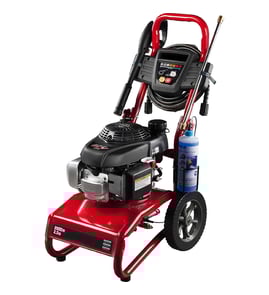




What kind of gas goes in a Craftsman 3000 PSI pressure washer?
For the Craftsman pressure washer model 580752900, we use clean, fresh unleaded gasoline with a minimum 87 octane (87 AKI) rating. Avoid old fuel and don’t mix oil into the gas (this is a 4-cycle engine setup).
Fuel type and what to avoid
Use gasoline that helps the engine start easily and run smoothly.
- Unleaded gasoline, 87 octane (AKI) or higher
- Fresh fuel (ideally purchased within the last 30 days)
- Do not use E85 (high-ethanol) fuel
- Do not use gasoline mixed with oil
- Do not use stale fuel that smells sour or looks dark
Quick fuel checklist for model 580752900
| Item | What we recommend | Why |
|---|---|---|
| Octane | 87 AKI minimum | Prevents knock and power loss |
| Fuel freshness | New fuel, not stored long-term | Reduces hard-start and surging |
| Ethanol | E10 is common; avoid high-ethanol blends | High ethanol can cause running issues |
| Storage | Use a fuel stabilizer for storage | Helps prevent varnish in the carburetor |
If it runs rough after refueling
Fuel issues often show up as surging, stalling, or losing power under load.
- Drain old gas from the tank and refill with fresh 87+ octane
- Check that the choke is fully open after warm-up
- Confirm water supply is on and flowing before starting (pump protection)
- Clean the spray tip or try a different nozzle if pressure seems inconsistent
- Review troubleshooting steps in the 580752900 owner's manual
Why it matters
Using the right gasoline protects the engine and helps the pump deliver steady pressure. Fresh, correct-octane fuel reduces carburetor deposits, improves starting, and prevents performance problems during heavy cleaning.
Last updated: January 2026
What is a good PSI for a gas pressure washer?
A good PSI for a gas pressure washer depends on what you’re cleaning; for most home tasks, 1,300 to 2,800 PSI handles decks, siding, patios, and vehicles well. For your Craftsman pressure washer model 580752900, confirm any model-specific ratings and spray tip guidance in the 580752900 owner’s manual.
Quick PSI guide by job
- 1,300 to 2,000 PSI: cars, patio furniture, grills (lower risk of damage)
- 2,000 to 2,800 PSI: decks, fences, driveways, most home exterior cleaning
- 2,800 to 3,500 PSI: heavy concrete cleaning, paint prep (use extra care)
- 3,500+ PSI: pro-level work; easy to etch concrete or damage wood and siding
Match PSI with the right spray tip
PSI is only part of the result; the nozzle angle controls how concentrated the spray is.
| Spray tip angle | Typical use | Risk level |
|---|---|---|
| 40° | rinsing, delicate surfaces | Low |
| 25° | general cleaning | Medium |
| 15° | tough grime, paint prep | High |
| 0° | spot blasting only | Very high |
If your spray pattern is uneven or you can’t get consistent cleaning power, replacing worn tips often helps; the troybilt pressure washer spray nozzle set 201324GS is a common fix for poor spray quality.
Why it matters
Using more PSI than you need can gouge wood, strip paint, force water behind siding, and etch concrete. Using too little PSI makes you overwork the machine and spend more time on the job.
Practical setup tips (best results with less PSI)
- Start with a wider tip (40° or 25°) and step down only if needed
- Keep the wand 12 to 24 inches from the surface; move closer gradually
- Use a steady sweeping motion; do not “park” the spray in one spot
- Make sure the garden hose supply is strong and the inlet screen is clean
- If you use detergent, follow the chemical pickup instructions in the manual
Last updated: January 2026
Is it worth repairing a pressure washer?
For the Craftsman 580752900 gas pressure washer, repairing is worth it when the fix is limited to common wear parts (hoses, nozzles, injector lines) and the total repair cost stays well under the price of a comparable new unit; once repairs approach about half the replacement cost, replacement is usually the better value.
Quick decision checklist
- Compare the repair estimate to the cost of a similar new gas pressure washer (same PSI/GPM class).
- Repair first if the problem is a leak, clogged nozzle, worn hose, or chemical injection issue.
- Replace if the pump is badly worn, the engine has low compression, or multiple major systems fail at once.
- Factor in downtime: if you need it working immediately, a simple parts swap often wins.
- Use the troubleshooting and maintenance steps in the 580752900 owner's manual to confirm the root cause before buying parts.
Common repairs that are usually worth it
These are typically straightforward and restore performance quickly:
- Replace a damaged high-pressure hose: pressure washer hose 84006753
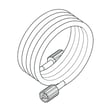
- Fix chemical pickup issues by replacing the injector line: pressure washer chemical injector hose 705076
- Restore spray pattern and pressure control by replacing worn tips/nozzles
Cost-to-value guide (rule of thumb)
| Situation | Typical recommendation | Why |
|---|---|---|
| Repair is under ~25% of replacement cost | Repair | Best value, minimal risk |
| Repair is ~25% to ~50% | Depends | Consider age, usage, and how many issues exist |
| Repair is over ~50% | Replace | Cost and reliability usually favor new |
Why it matters
A pressure washer’s value comes from reliable pressure and flow. Small leaks, restricted nozzles, or a failing chemical injector can look like “low pressure,” but those are often inexpensive fixes compared with replacing the pump or the entire machine.
If performance is still poor after basic parts checks
Use a structured symptom approach before investing in major components:
- Verify water supply flow and inlet screen condition
- Check for air leaks on the inlet side
- Confirm the correct spray tip is installed
- Review solving pressure washer problems for step-by-step diagnostics
Last updated: January 2026