 Owner’s manual
 Error Codes


What is the life expectancy of a Whirlpool washing machine?
A Whirlpool washing machine typically lasts 10 to 14 years. For your Whirlpool WTW5015LW0 washer, reaching the high end of that range usually comes down to routine care like using HE detergent correctly, keeping the tub fresh, and replacing wear items (like hoses) on schedule; see the WTW5015LW0 owner’s manual.
Typical lifespan (what to expect)
Most Whirlpool washers fall into a predictable lifespan range when they are installed correctly, used normally, and maintained.
| Washer type | Typical life expectancy | What usually ends it first |
|---|---|---|
| Top-load washer (like WTW5015LW0) | 10 to 14 years | Suspension wear, drive system wear, drain issues |
| Front-load washer | 10 to 14 years | Door boot leaks, drain pump clogs, bearing wear |
How to help your WTW5015LW0 last longer
These habits reduce strain on the motor, belt-drive components, and tub system.
- Use only HE (High Efficiency) detergent and do not overdose.
- Run a monthly cleaning routine (Clean Washer cycle if equipped, or the recommended cleaning cycle).
- Leave the lid open between loads to help prevent odor and residue buildup.
- Avoid overloading; heavy loads accelerate wear on the suspension and drive system.
- Level the washer to reduce vibration and “washer walk.”
- Replace inlet hoses every 5 years to reduce the risk of hose failure.
Maintenance schedule we recommend
A simple schedule prevents the most common “early failure” problems.
| Task | Frequency |
|---|---|
| Clean washer cycle or cleaning routine | Monthly or every 30 cycles |
| Inspect inlet hoses for bulges, cracks, leaks | Every few months |
| Replace inlet hoses | Every 5 years |
| Check leveling and vibration | Any time the washer starts shaking more |
Why it matters
Good maintenance is the difference between a washer that needs major repairs at year 7 and one that runs reliably into the 10 to 14 year range. It also helps prevent odor, poor rinsing, and vibration that can stress parts like the suspension rods and drive system.
Last updated: January 2026
What is a common problem for a Whirlpool washer top loader?
For the Whirlpool WTW5015LW0 top-load washer, the most common problems we see are out-of-balance loads (shaking or stopping during spin), no drain or no spin, and “won’t start” symptoms tied to lid-lock or control issues. Use the WTW5015LW0 owner’s manual to match symptoms to the right checks.
Common problems (and what they usually point to)
- Shaking, banging, or walking: load is uneven, washer is not level, or suspension is worn.
- Won’t drain / leaves water in tub: drain path restriction, pump issue, or a kinked/blocked drain hose.
- Won’t spin or spins weakly: drive system issue (belt/pulley), lid lock not engaging, or control sensing a fault.
- Won’t start: lid lock not locking, power supply issue, or control not responding.
- Loud noises: foreign object, worn drive components, or tub support wear.
Quick checks we recommend first
- Redistribute the load; avoid washing one heavy item by itself.
- Confirm the washer is level and all four feet are firmly on the floor.
- Verify the drain hose is installed correctly (not pushed too far into the standpipe).
- Check for kinks in fill hoses and confirm both water faucets are fully open.
- If the lid will not lock, inspect the latch and strike area for damage.
Parts that commonly relate to these symptoms on WTW5015LW0
| Symptom | Often involved area | Example compatible part for this model |
|---|---|---|
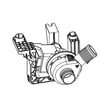
| Won’t drain | Drain pump or restriction | Pump assembly, drain W11399437 |
| Won’t start / won’t lock | Lid lock system | Latch, lid lock assembly W11513248 |
| Weak/no spin, squeal | Belt drive | Drive belt W11239857 |
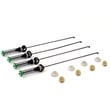
| Excessive vibration | Suspension | Damper/suspension components (match by model) |
Why it matters
Catching the simple causes early (load balance, leveling, hose routing) helps prevent repeat stoppages, reduces wear on the belt-drive system, and improves the chance your washer completes the spin cycle without errors.
Last updated: January 2026
Are removable agitators worth it?
For the Whirlpool WTW5015LW0 washer, we can’t confirm that it uses a removable agitator based on the model-specific information we have; the owner’s manual doesn’t describe an agitator that’s designed to be taken out. If your washer has a removable center post, it can be worth it for bulky loads, but only when used correctly.
First, confirm what your WTW5015LW0 actually has
Use the WTW5015LW0 owner’s manual to identify the wash system and any approved removal steps. If the manual doesn’t provide removal instructions, treat the agitator as non-removable.
- Look for any “remove/install agitator” steps or diagrams
- Check whether the center post has a locking handle or release mechanism
- If removal requires tools or prying, stop (that’s usually not a user feature)
- If you’re unsure, compare your washer’s center post to the parts list for your model
If your washer does have a removable agitator: when it’s worth it
A removable agitator is usually worth it when you regularly switch between bulky items and everyday loads.
- More room for comforters, jackets, and pet beds
- Easier loading and unloading of large items
- Potentially less tangling for long, delicate fabrics
- Flexibility without buying a second washer
Tradeoffs to expect (common across top-load designs)
Even with a removable agitator, cleaning results depend heavily on loading and detergent.
| Setup | Best for | Watch for |
|---|---|---|
| Agitator installed | Mixed loads, heavy soil | Don’t overload; clothes need room to circulate |
| Agitator removed | Bulky items | Balance the load to prevent out-of-balance spin |
| Correct HE detergent dose | Better rinsing, fewer suds issues | Overdosing can cause residue and odor |
Tips that help either way
- Use only HE detergent; don’t exceed the dispenser max line
- Load loosely; don’t pack items down
- Use warm or hot water sometimes (when fabrics allow) to reduce buildup
- Leave the lid open between loads to help dry the tub
Why it matters
If the agitator isn’t designed to be removed on the WTW5015LW0, forcing it out can damage the washplate, drive components, or basket. Confirming the design first protects the washer and keeps cleaning performance consistent.
Last updated: January 2026





