



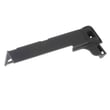
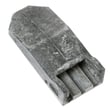
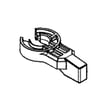
Can you buy parts for a dishwasher?
Yes. You can buy replacement parts for a GE dishwasher, including model CDT858P4V1W2, to fix common problems (not draining, not heating, leaking, not cleaning) or to replace worn items like latches, pumps, valves, and filters so the dishwasher runs and cleans properly again.
Common dishwasher parts people replace
For GE CDT858P4V1W2, these are some of the most frequently needed repair parts:
- Dishwasher drain pump WD19X25461 for draining problems or standing water
- Heating element WD05X35098 for poor drying or water not heating
- Water valve assembly WD15X27703 for not filling or slow fill
- Dishwasher door latch lock WD01X29878 if the dishwasher will not start or the door will not latch
- Dishwasher fine filter assembly WD12X25995 for poor cleaning caused by a clogged filter
How we recommend choosing the right part
Use the symptom first, then confirm the match to your exact model.
- Match the part to the problem (drain, fill, heat, wash, leak, door won’t close)
- Confirm your model number is CDT858P4V1W2 (from the rating plate on the tub frame)
- Compare the part ID and description to what you are replacing
- Check for related items you may need (hose clamps, seals, mounting hardware)
- If multiple parts could cause the symptom, start with the easiest inspection (filter, hose routing, door latch)
Quick symptom-to-part guide
| Symptom | Most likely area | Example part for CDT858P4V1W2 |
|---|---|---|
| Won’t drain | Drain system | Dishwasher drain pump WD19X25461 |
| Not drying / not heating | Heating circuit | Heating element WD05X35098 |
| Won’t fill | Water inlet | Water valve assembly WD15X27703 |
| Won’t start | Door switch/latch | Dishwasher door latch lock WD01X29878 |
| Not cleaning well | Filtration/spray | Dishwasher fine filter assembly WD12X25995 |
Why it matters
Using the correct, model-matched dishwasher parts helps restore proper wash pressure, water temperature, and draining. That prevents repeat failures like dirty dishes, odors from standing water, and leaks that can damage cabinets and flooring.
Last updated: February 2026
What is the average lifespan of a GE dishwasher?
A GE dishwasher typically lasts 10 to 12 years. For your GE CDT858P4V1W2, lifespan depends most on water quality, how often you run it, and routine maintenance like cleaning filters and keeping the door seal in good shape.
Typical lifespan range (what we see most often)
Most dishwashers fall into a predictable range when they are installed correctly and maintained.
| Dishwasher use and care | Typical lifespan |
|---|---|
| Light use, good maintenance | 12 to 15 years |
| Average household use | 10 to 12 years |
| Heavy use, poor maintenance | 8 to 10 years |
What shortens dishwasher life fastest
These issues create extra strain on the wash system, drain system, and heating circuit.
- Hard water scale buildup on internal parts
- Running with a clogged filter or blocked spray arms
- Frequent overloading (poor water flow, more pump strain)
- Leaks that go uncorrected (can damage components and wiring)
- Skipping cleaning cycles and letting grease accumulate
Maintenance that helps you reach the high end of the range
These are the highest-impact habits for a GE dishwasher.
- Clean the filter regularly; a clogged filter can reduce cleaning and stress the wash pump
- Check the tub seal area for debris; wipe the door edge and gasket contact surfaces
- Use the right detergent amount for your water hardness
- Run hot water at the sink before starting a cycle to improve wash performance
- If you notice standing water or slow draining, follow a step-by-step guide like dishwasher not draining video
Parts that commonly affect performance as the unit ages
If your dishwasher is otherwise in good condition, replacing a worn part can restore performance and extend service life.
- Drain problems: dishwasher drain pump WD19X25461
- Poor washing or unusual noises: wash pump (listed in parts for this model)
- Heating and drying issues: heating circuit components (listed in parts for this model)
- Leaks at the door: tub gasket (listed in parts for this model)
Why it matters
Knowing the expected lifespan helps you decide whether to maintain and repair your GE CDT858P4V1W2 (often cost-effective in mid-life) or plan for replacement when multiple major systems (wash, heat, drain, controls) start failing close together.
Last updated: February 2026
Can I replace dishwasher parts myself?
Yes, for the GE CDT858P4V1W2 dishwasher, we recommend DIY replacement for many common wear parts if you can safely shut off power and water and work carefully; jobs like replacing a filter, door latch, or drain hose are typically straightforward, while control and wiring repairs take more skill.
Good DIY repairs vs. better left to a pro
Usually DIY-friendly
- Cleaning or swapping the dishwasher fine filter assembly WD12X25995
- Replacing a leaking dishwasher tub gasket WD08X23477
- Fixing a no-start caused by a worn dishwasher door latch lock WD01X29878 or misaligned strike
- Replacing a cracked or clogged dishwasher drain hose WD24X10062
Often more advanced
- Electrical diagnosis and replacement of a control board
- Pump and sump work if you are not comfortable with water seals and leak checks
- Any repair requiring live-voltage testing
Safety checklist before you start
- Turn off the dishwasher breaker (do not rely on the control panel being off)
- Shut off the water supply valve under the sink
- Protect the floor; keep towels ready for residual water
- Take photos of wire and hose routing before disconnecting anything
- Run a short test cycle and check for leaks after reassembly
Quick “is this the right repair?” guide
| Symptom | Common DIY checks | Parts that often relate |
|---|---|---|
| Won’t start | Door fully latching, strike alignment | Door latch lock, latch strike |
| Not draining | Kinked hose, clogged filter, drain path | Drain hose, drain pump |
| Leaks | Door seal condition, tub gasket seating | Tub gasket |
| Poor cleaning | Filter clogged, spray path blocked | Fine filter assembly, wash components |
Why it matters
DIY repairs can restore cleaning and draining performance and prevent water damage. Choosing the right difficulty level also helps avoid repeat leaks, stripped fasteners, and wiring mistakes.
For troubleshooting that points to a fault code, use GE electronic dishwasher error codes to narrow the problem before ordering parts.
Last updated: February 2026
What is the most common problem with GE dishwashers?
The most common GE dishwasher problem is a drain-related issue: the dishwasher will not drain fully, leaves standing water, or stops mid-cycle because water cannot move through the filter, drain hose, or drain pump. On GE model CDT858P4V1W2, start by checking for clogs and then test the drain components.
Quick symptoms and what they usually point to
- Standing water in the bottom after the cycle: clogged filter or weak drain pump
- Humming during drain but little or no water movement: jammed pump impeller or blockage
- Slow drain or intermittent draining: kinked/blocked drain hose or partial clog
- Won’t start or stops quickly: door latch not sensing closed, control issue
- Poor cleaning plus water issues: restricted filtration or wash circulation problem
What we recommend checking first (fast DIY triage)
- Cancel/drain the cycle and listen for the drain pump running.
- Clean the fine filter area and remove debris (labels, glass, bones).
- Inspect the drain path for kinks and clogs.
- Verify the door closes and latches firmly.
- If the unit shows an error, match it to the code list in GE dishwasher error codes.
Common parts involved on CDT858P4V1W2
| Problem area | What fails | Example part for this model |
|---|---|---|
| Draining | Pump can’t move water out | Dishwasher drain pump WD19X25461 |
| Filtration | Filter clogged or damaged | Dishwasher fine filter assembly WD12X25995 |
| Door sensing | Door won’t latch consistently | Dishwasher door latch lock WD01X29878 |
| Filling | Low or no fill affects wash and drain timing | Water valve assembly WD15X27703 |
Why it matters
Drain problems can trigger longer cycle times, odors, and poor cleaning because dirty water stays in the tub and recirculates. Fixing the restriction early also helps protect the wash pump and sump seals.
Last updated: February 2026





