



What is the lifespan of a GE dryer?
A GE electric dryer like model PTD60EBSR2WS typically lasts about 10 years with normal household use. Regular airflow maintenance (lint screen and venting) and fixing early wear items such as the belt and drum supports can push real-world life closer to 12 to 15 years.
What affects dryer lifespan the most
- Vent restriction (long ducts, crushed flex vent, clogged exterior hood)
- Lint buildup in the lint screen housing and blower area
- Overloading (stresses the drum, belt, and motor)
- Heat stress from poor airflow (shortens heater and thermostat life)
- Wear parts aging (belt, glides, idler pulley, felt seal)
Maintenance that extends life (best ROI)
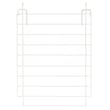
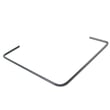
- Clean the lint screen every load; replace a damaged screen such as the GE dryer lint screen WE03X23881.
- Inspect and clean the full vent run at least yearly (more often with pets or heavy use).
- Keep loads sized so clothes tumble freely; avoid drying heavy rugs that strain the drum.
- If you hear squealing or thumping, address drum support wear early (glides, bearings, felt seal).
- If drying times increase, correct airflow first before replacing heat parts.
Common “end-of-life” symptoms and likely causes
| Symptom | Most common cause | Typical fix type |
|---|---|---|
| Drum will not turn, motor runs | Worn/broken belt | Replace belt |
| Loud squeal or scraping | Worn drum glides or idler | Replace wear parts |
| Long dry times | Vent restriction or lint blockage | Clean venting |
| No heat | Heater or temperature sensing issue | Diagnose heat circuit |
Why it matters
A dryer that is starved for airflow runs hotter and longer, which accelerates failure of the heating system and controls. Keeping airflow strong is the simplest way to protect major components and get the full expected lifespan from your GE dryer.
Last updated: January 2026
What brand of dryer has the least problems?
If your goal is the fewest problems over time, we see the best results from brands that keep the design simple and have strong parts support. For most households, GE, Whirlpool, and LG tend to be dependable choices; for maximum durability, Speed Queen is widely known for long-lasting, commercial-style builds.
What “least problems” usually means
Most dryer service calls come from airflow and wear items, not the brand badge. A reliable dryer is one that:
- Moves air well (short, clean venting)
- Uses proven heating and temperature-sensing parts (heater, thermistor, hi-limit thermostat)
- Has sturdy drum support parts (belt, idler, glides)
- Has readily available replacement parts and clear diagnostics
How this relates to your GE PTD60EBSR2WS
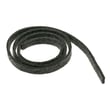
Your GE PTD60EBSR2WS is an electric dryer; the most common “problem” patterns we help customers solve are no-heat, long dry times, and noise. Those issues often trace back to normal-wear parts such as the GE dryer drum belt WE03X29897 or heat-control components, plus vent restriction.
Quick reliability checklist (works for any brand)
- Clean the lint screen every load; wash it with mild soap monthly to remove residue.
- Keep the vent run short and straight; avoid crushed or kinked ducting.
- If drying slows down, check the duct trap and blower area for lint buildup.
- If the dryer tumbles but won’t heat, test the heating circuit components.
- If you hear squealing or thumping, inspect the belt, idler, and drum support glides.
Brand comparison (practical buying guidance)
| Brand type | Typical strengths | Typical tradeoffs |
|---|---|---|
| Commercial-style (example: Speed Queen) | Very durable, simpler controls | Higher upfront cost, fewer features |
| Mainstream (GE, Whirlpool) | Good parts availability, solid reliability | More model-to-model variation |
| Feature-forward (often LG) | Strong performance, efficient cycles | More electronics, higher board costs |
Why it matters
Dryers are usually “reliable” when airflow is strong and wear parts are maintained. Even the best brand will struggle with a clogged vent or a worn belt, while a mid-priced dryer can run for years with routine cleaning and timely part replacement.
For maintenance tips that reduce breakdowns, use how to clean and maintain your clothes dryer.
Last updated: January 2026
What is the most common problem with a GE dryer?
For the GE PTD60EBSR2WS electric dryer, the most common problems we see are no heat or long dry times, and the root cause is usually restricted airflow (lint buildup or a clogged vent) or a failed heating component such as the heating element, thermistor, or hi-limit thermostat.
Quick checks we recommend first
- Clean the lint screen before every load; replace a damaged screen such as the GE dryer lint screen WE03X23881.
- Inspect the exhaust vent run for kinks, crushed flex duct, or heavy lint buildup.
- Confirm strong airflow outside at the vent hood while the dryer is running.
- Avoid overloading; packed loads dry slowly and can overheat the heater housing.
- If the drum turns but there is no heat, focus on the heater circuit parts.
Most common symptoms and likely causes
| Symptom | Most likely cause | Common next step |
|---|---|---|
| Runs but no heat | Failed heating element or heater assembly | Test and replace the heater (often GE dryer heater assembly WE11X21156) |
| Takes too long to dry | Vent restriction or lint blockage | Clean venting and internal lint path |
| Stops heating mid-cycle | Overheating from poor airflow, thermistor/thermostat issue | Check airflow; test sensors like dryer thermistor WE4M448 |
| Won’t start | Door switch or control issue | Check door switch operation (example: dryer door switch WE04X28977) |
Why airflow problems are so common
A GE electric dryer depends on steady airflow to carry moisture out and keep heater temperatures in range. When airflow drops, clothes stay damp longer and safety controls can shut heat off to prevent overheating.
Helpful DIY references for GE dryers
- Use GE cleanspeak dryer error codes if your display shows a code.
- Use GE gfd model series error codes if your dryer matches that control style and code format.
Last updated: January 2026
Why does my GE dryer run but no heat?
If your GE PTD60EBSR2WS electric dryer runs but has no heat, the most common causes are a missing leg of 240V power, restricted airflow (lint screen or vent), or a failed heating circuit part such as the heating element, thermistor, or hi-limit thermostat.
Quick checks first (fastest fixes)
- Confirm the dryer is on a 240V circuit; a tripped breaker can let the motor run on 120V but prevent heat.
- Clean the lint screen and make sure air is blowing strongly outside.
- Run a timed dry cycle (not sensor dry) to rule out a moisture-sensing issue.
- Check for a “cool air” or “air fluff” setting accidentally selected.
- If the drum turns but airflow is weak, inspect the blower area and ducting.
Parts that commonly stop heat on this model
On an electric GE dryer like PTD60EBSR2WS, these parts are frequent no-heat culprits:
- Dryer heating element WE11M10001
- GE dryer heater assembly WE11X21156
- Dryer heating element control thermistor WE4M398
- Dryer thermistor WE4M448
- Thermostat hi limit WE04X30381 or thermostat hi limit WE04X31037
What to test (and what “bad” looks like)
| What you check | Typical symptom | What it points to |
|---|---|---|
| Breaker and outlet voltage | Runs, no heat | Missing 240V supply |
| Airflow at outside vent | Long dry times, warm cabinet | Vent restriction or blower issue |
| Heating element continuity | No heat at all | Failed element or heater assembly |
| Thermistor readings | Heat cycles oddly, shuts off early | Failed thermistor |
| Hi-limit thermostat continuity | No heat, sometimes after overheating | Open hi-limit thermostat |
Why it matters
A no-heat condition is often caused by airflow restriction; that can overheat the heater housing and repeatedly damage thermostats or the heating element. Fixing venting and lint buildup first helps the repair last.
Helpful DIY reference
For code-related symptoms (beeping, flashing, or a displayed fault), use GE cleanspeak dryer error codes to match the code to the most likely heat or airflow issue.
Last updated: January 2026