




What are the system requirements for CDT858P2V1S1?
For the GE CDT858P2V1S1 dishwasher, “system requirements” usually means the home hookup and operating requirements: proper electrical power, a hot water supply, correct drain connection, and enough cabinet opening space. We use these basics to confirm fit and prevent fill, drain, or start problems.
What to confirm before installation
- Electrical: Dedicated, properly grounded circuit (most built-in dishwashers use 120V AC, 60 Hz).
- Water supply: Hot water line with a working shutoff valve; typical inlet water temperature target is 120°F.
- Drain: Drain hose routed with a high loop or air gap (as required locally) to prevent backflow.
- Cabinet opening: Standard built-in dishwasher cutouts are typically 24 inches wide and 34 to 35 inches high (verify your opening before ordering).
- WiFi (optional features): If you use smart features, you need a stable home WiFi network and the appliance connected through its onboard module.
Quick “requirements” checklist (most common)
| Requirement type | What you need | What happens if it’s wrong |
|---|---|---|
| Power | 120V grounded supply | No power, won’t start, control resets |
| Water fill | Hot water supply, open valve | Won’t fill, poor cleaning |
| Drain | Proper hose routing, no clogs | Standing water, drain errors |
| Fit | Correct opening and leveling | Door won’t close, leaks, vibration |
Parts that commonly relate to “requirements” issues
If your dishwasher meets the basics above but still won’t fill, drain, or run correctly, these model-matched parts are often involved:
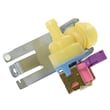
- Water valve assembly WD15X27703 (controls incoming water)
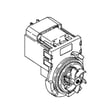
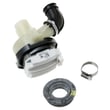
- Dishwasher drain pump WD19X25461 (pushes water out during drain)
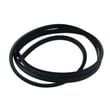
- Dishwasher drain hose WD24X10062 (routes water to the sink drain/disposer)
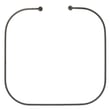
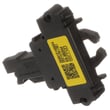
- Dishwasher door latch lock WD01X29878 (must sense a fully latched door to start)
Why it matters
Correct power, water temperature, and drain setup directly affect cycle time, drying performance, and whether the GE CDT858P2V1S1 can start and complete a cycle without error codes.
For code-based “system” issues, we use the GE electronic dishwasher error codes reference to match symptoms to the most likely circuit or component.
Last updated: February 2026
What are the benefits of using CDT858P2V1S1?
The GE CDT858P2V1S1 dishwasher is built to improve cleaning coverage and everyday convenience; its bottle-jet style upper-rack wash feature helps target tall, narrow items (like bottles, jars, and glasses) while standard dishwasher systems handle full-load washing, draining, and drying.
Key benefits you will notice
- Better cleaning inside tall drinkware and narrow containers when you place them over the bottle jets
- More consistent wash results when spray paths are not blocked by large items
- Less pre-rinsing when you load correctly and use fresh detergent
- Reliable draining and water circulation when core components are working properly
- Easier troubleshooting when you match symptoms to common dishwasher systems
How to get the most from the bottle-jet cleaning feature
For the best results on bottles and tall glasses:
- Load items upside down so water can reach inside
- Avoid nesting (one cup inside another)
- Keep labels, seeds, and food scraps out of bottles and jars
- Do not block the upper spray path with oversized pans
- Use a cycle and options that match soil level (heavy soil needs more time and heat)
Parts that support these benefits (when performance drops)
If cleaning, filling, or draining performance declines, these model-matched parts are commonly involved:
| Symptom | What it usually points to | Example model-matched part |
|---|---|---|
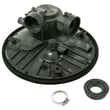
| Poor cleaning, weak spray | Circulation or diverter issue | Wash pump WD19X32518 |
| Not draining or standing water | Drain path restriction or pump issue | Dishwasher drain pump WD19X25461 |
| Not filling or fills slowly | Water supply valve issue | Water valve assembly WD15X27703 |
| Leaks at the door/tub edge | Worn sealing surface | Dishwasher tub gasket WD08X23477 |
Why it matters
When the wash system can maintain proper water level, pressure, and spray direction, you get cleaner dishes with less rewashing. Correct loading and a healthy pump, valve, and seals protect cycle performance and help prevent leaks.
Last updated: February 2026
Which dishwasher to stay away from?
If you want to “stay away” from a dishwasher, we recommend avoiding any model with a consistent history of repeat failures in key systems (drain, wash, heating, or controls) and poor parts support. For a GE dishwasher like model CDT858P2V1S1, focus on verifying real-world reliability signals and serviceability rather than judging by brand alone.
What to look for before you buy (or before you commit to a repair)
- Frequent complaints about not draining, not cleaning, or not drying across many owners
- Recurring electronic issues (random resets, dead panel, cycle stopping mid-wash)
- Chronic leak points (door seal area, sump seals, hoses)
- Expensive “core” repairs (wash pump, control board) early in ownership
- Limited availability of common wear parts (latches, valves, pumps)
Quick reliability screen: symptoms and the parts they usually involve
| Red flag you see in reviews | What it often points to | Example part on this model |
|---|---|---|
| Won’t start or stops mid-cycle | Door latch, control, wiring | Dishwasher door latch lock WD01X29878 |
| Standing water after cycle | Drain pump, drain hose, clogs | Dishwasher drain pump WD19X25461 |
| Poor cleaning, weak spray | Wash pump, diverter, spray system | Wash pump WD19X32518 |
| Dishes not drying | Heating circuit, heater, control logic | Heating element WD05X35098 |
Our practical “stay away” checklist (works for any brand)
- Scan for patterns, not one-off complaints: the same failure repeated is the warning sign.
- Price out the big three before buying: wash pump, control board, heater.
- Confirm parts availability for common failures (latch, valve, drain pump, seals).
- Avoid models with chronic leak reports; water damage risk makes small issues expensive.
- Prefer serviceable designs: easy access to filters, spray arms, and drain path.
Why it matters
Dishwashers fail most often in a few high-impact areas (drain, wash circulation, heating, and controls). If a model is known for repeated problems in those systems, you can end up with poor cleaning performance, long cycle interruptions, and higher repair costs over time.
For additional help interpreting fault symptoms on GE units, use GE electronic dishwasher error codes.
Last updated: February 2026
What are the commonly replaced parts in a dishwasher?
For the GE dishwasher model CDT858P2V1S1, the most commonly replaced parts are the components that control filling, washing, draining, heating, and door sealing. In day-to-day repairs, we most often see wear, clogs, leaks, or electrical failures in these core systems.
Most common dishwasher parts that get replaced
These are the parts we see replaced most often on dishwashers like the CDT858P2V1S1:
- Drain components: drain pump, drain hose, hose clamps
- Fill components: water valve assembly, float-related sensing
- Wash system: wash pump, sump and seal assembly, spray arm/manifold
- Heating and drying: heating element
- Door closing and sealing: door latch lock, strike, tub gasket, door springs
- Controls and wiring: control board, harnesses, sensors
Model-matched examples for CDT858P2V1S1
If you are troubleshooting a symptom, these model-matched parts are common starting points:
| Symptom | Commonly involved part | Example part for this model |
|---|---|---|
| Not draining, water left in tub | Drain pump or drain hose | Dishwasher drain pump WD19X25461 or dishwasher drain hose WD24X10062 |
| Not filling or fills slowly | Water valve assembly | Water valve assembly WD15X27703 |
| Poor cleaning, weak spray | Wash pump or spray manifold | Wash pump WD19X32518 or dishwasher upper spray arm manifold WD12X34182 |
| Not drying, water stays cool | Heating element | Heating element WD05X35098 |
| Won’t start or stops mid-cycle | Door latch/strike or control | Dishwasher door latch lock WD01X29878 or configured machine control board WD21X35479 |
Why it matters
Replacing the right part first saves time and prevents repeat failures. For example, a “not draining” complaint is often a clog or hose issue, but a weak or noisy drain pump can cause the same symptom.
Quick checks before ordering parts
We recommend these fast checks to narrow the problem:
- Clean the filter area and check for debris around the sump
- Inspect the drain hose routing for kinks or a high-loop issue
- Confirm the door closes firmly and the latch engages
- Run hot water at the sink before starting a cycle (improves wash and dry performance)
- If an error code is showing, match it to the symptom using GE electronic dishwasher error codes
Last updated: February 2026
What is the most common problem with GE dishwashers?
Drain and start issues are the most common problems we see on GE dishwashers like model CDT858P2V1S1: the unit will not drain, will not start, or stops mid-cycle. These symptoms usually trace back to a clog, a door-latch problem, or a failed pump or sensor.
Most common issues (and what they look like)
- Not draining: standing water in the tub, gurgling, or a cycle that ends with water left behind
- Won’t start or stops: lights on but no wash action, beeps, or the cycle cancels
- Poor cleaning: gritty dishes, weak spray, or food debris left behind
- Leaks: water at the front corners or under the unit
- Heating/drying complaints: dishes stay wet, cycle seems to run long
Quick checks we recommend first
- Reset power (turn the breaker off for 1 minute, then back on).
- Confirm the door closes firmly and latches; a misaligned strike can prevent starting.
- Check the sink drain and disposer knockout (new disposer installs commonly block draining).
- Inspect the drain hose routing for kinks or a low loop that can cause backflow.
- Look for an error code and match it using GE dishwasher error codes.
Parts that commonly solve these symptoms on CDT858P2V1S1
| Symptom | Common culprit | Example part for this model |
|---|---|---|
| Won’t start / stops | Door not latching | Dishwasher door latch lock WD01X29878 or dishwasher door latch strike WD13X10071 |
| Not draining | Drain restriction or weak pump | Dishwasher drain pump WD19X25461 |
| Fill or water-level errors | Water level sensing issue | GE dishwasher pressure sensor WD21X25468 |
Why it matters
Drain, latch, and water-level problems can mimic bigger failures (like a control issue). Starting with the simple checks and then testing the most likely parts helps restore normal washing, prevents repeat error codes, and avoids water left in the tub.
Last updated: February 2026
Can I replace dishwasher parts myself?
Yes, for the GE CDT858P2V1S1 dishwasher you can replace many common parts yourself if you’re comfortable with basic hand tools and safe shutoffs. Simple mechanical repairs (like a latch, gasket, or drain hose) are usually DIY-friendly; electrical diagnostics and control issues take more skill.
What you can usually replace yourself
- Door hardware such as the dishwasher door latch lock WD01X29878
- Leak-related seals such as the dishwasher tub gasket WD08X23477
- Drain components such as the dishwasher drain hose WD24X10062
- A failed drain pump such as the dishwasher drain pump WD19X25461
- A no-fill symptom tied to the water valve assembly WD15X27703
Safety steps we recommend before any repair
- Turn off power at the breaker (dishwashers are hard-wired or plugged in under the sink).
- Shut off the water supply valve under the sink.
- Pull the dishwasher out only after confirming the drain hose and water line have slack.
- Take a photo of wire connections before disconnecting anything.
- Run a short test cycle after reassembly and check for leaks at every hose clamp.
Quick “DIY or technician?” guide
| Symptom | Most common DIY path | When it’s not DIY anymore |
|---|---|---|
| Won’t start | Check door closes and latches; inspect latch/strike | Repeated dead control behavior or wiring damage |
| Not draining | Clear hose routing; consider drain pump | Water remains and pump hums with no movement |
| Leaks | Inspect tub gasket and hose connections | Leaks from the tub, heater circuit, or internal sump area |
| Not cleaning | Check spray path and loading | Suspected wash pump or diverter diagnosis |
Why it matters
DIY replacement can restore performance quickly and prevent secondary damage (like leaks reaching the floor). Choosing the right repair level also helps avoid misdiagnosing electrical problems that can mimic simple part failures.
For symptom-based troubleshooting, we also use GE dishwasher error codes to match what the dishwasher is reporting to the most likely failed component.
Last updated: February 2026
What is the spinning thing at the bottom of a dishwasher called?
In a GE dishwasher like model CDT858P2V1S1, the spinning part at the bottom is typically the lower spray arm (also called a wash arm). It rotates during the wash cycle and sprays pressurized water to clean the dishes in the lower rack.
What it does (and what else spins)
The lower spray arm is designed to distribute water evenly across the tub. Depending on the design, you may also have other rotating spray components.
- Lower spray arm: main spinning arm under the bottom rack
- Upper spray arm/manifold: sprays the upper rack area
- Pump impeller (internal): spins inside the wash pump to move water (not usually visible)
- Filter area: may look like a “spinning” assembly, but it normally does not rotate like a spray arm
Quick identification guide
Use this to match what you are seeing at the bottom of the tub.
| What you see | Most common name | Where it sits | What it affects |
|---|---|---|---|
| A plastic arm with holes that spins freely | Lower spray arm | Floor of tub, under lower rack | Cleaning on lower rack |
| A feed tube/manifold aimed upward | Upper spray arm/manifold | Under upper rack or attached to rack | Cleaning on upper rack |
| A fixed screen or twist-lock assembly | Filter/sump area | Lowest point of tub | Drain and wash performance |
When the “spinning thing” is the problem
If dishes are not getting clean, the spray arm is one of the first things we check.
- Clear clogged spray holes (food, hard-water scale)
- Make sure the arm spins freely (no tall pans blocking it)
- Confirm the rack is seated correctly so it does not interfere
- Check for low fill or weak spray pressure (can point to a valve, pump, or sensor issue)
If you are troubleshooting poor cleaning on the upper rack, the model-specific part most closely related in our parts list is the dishwasher upper spray arm manifold WD12X34182.
Why it matters
The spray arms are the “delivery system” for wash water. If they are blocked, jammed, or not getting enough pressure, you can see gritty residue, cloudy glassware, and leftover detergent.
Last updated: February 2026





