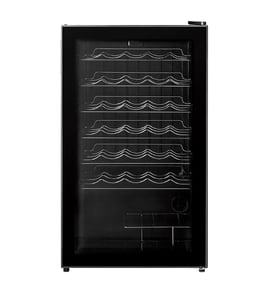

Can wine coolers be repaired?
Yes. Most wine coolers, including the Vinotemp VT-WC60, can be repaired when the problem is isolated to a common failure point such as power supply, airflow, a door seal issue, or a control or sensor problem. The best repair path depends on whether the unit runs, cools, and holds temperature consistently.
What we check first (fast troubleshooting)
- Confirm the outlet has power and the cord is firmly seated.
- Verify the temperature setting was not accidentally changed.
- Make sure the door closes fully and the gasket seals all the way around.
- Check for blocked vents; leave a few inches of clearance for airflow.
- Listen for the compressor and fan (steady hum or fan noise is normal).
- Look for heavy frost on the evaporator area (can point to airflow or defrost issues).
Common symptoms and likely repair areas
| Symptom | Most common causes | What to do next |
|---|---|---|
| Not cooling but lights work | Dirty condenser area, failed fan, control issue | Clean airflow paths; test fans and wiring |
| Runs constantly | Warm room, poor ventilation, door not sealing | Improve clearance; check gasket and door alignment |
| Temperature swings | Sensor/thermistor issue, frequent door openings | Reduce openings; check sensor connections |
| No power at all | Outlet, cord, internal fuse/control | Verify power; inspect wiring and test components |
DIY vs. technician repair (what makes sense)
Some repairs are realistic for careful DIY, while sealed-system work is not.
- Good DIY candidates: cleaning coils/vents, leveling, gasket inspection, basic electrical checks.
- Usually technician-level: compressor start components diagnosis, refrigerant leaks, sealed-system repairs.
- If you smell burning, see melted wiring, or the breaker trips repeatedly: unplug the cooler and stop troubleshooting.
Tools that help (and why it matters)
A wine cooler is a small refrigeration system; a simple airflow or electrical problem can look like a major cooling failure. Basic testing prevents replacing the wrong part and helps restore stable bottle temperature.
- Multimeter (voltage and continuity checks)
- Flashlight (inspect wiring and frost patterns)
- Vacuum/soft brush (dust removal)
- Thermometer (verify actual cabinet temperature)
For safe electrical testing basics, use our guide: how to use a multimeter to test electrical parts video.
Last updated: February 2026
Is it worth repairing a wine cooler?
Yes, repairing a Vinotemp VT-WC60 wine cooler is usually worth it when the unit is relatively new and the problem is a common service item (fan, thermostat, door seal, control issue). It is typically not worth it when the sealed system has failed (compressor or refrigerant leak) because repair cost can approach replacement cost.
Quick rule of thumb (repair vs replace)
Use this simple cost check before you spend money on diagnostics:
- Repair when the estimate is under 30% to 40% of the price of a comparable new cooler.
- Consider replacing when the estimate is over 50% of replacement cost.
- Replace when the issue is a sealed-system failure (compressor, evaporator leak, refrigerant loss).
- Repair when the cooler still holds temperature but has noise, frosting, or cycling problems.
- Replace when the cabinet is rusted, shelves are broken, or the door no longer seals and parts are no longer practical to source.
What usually makes a wine cooler repairable
Most “worth it” repairs are electrical or airflow related, not refrigeration-system related.
| Symptom | Common cause | Typical repair difficulty |
|---|---|---|
| Not cooling enough | Dirty condenser, blocked airflow, failed fan | Easy to moderate |
| Too cold or freezing | Thermostat or sensor issue, control problem | Moderate |
| Loud buzzing or rattling | Fan blade hitting, loose panel, vibration | Easy |
| Water inside | Drain path blocked, door not sealing | Easy |
Why it matters for wine storage
Wine and beverages do best with stable temperatures and steady airflow. When a cooler short-cycles, freezes, or runs constantly, it can create temperature swings that affect taste and can also shorten the life of the compressor.
Before you decide, do these checks first
These steps often solve the problem at low cost:
- Verify the outlet has steady power and the cord is firmly seated.
- Clean dust from the condenser area and confirm the unit has ventilation clearance.
- Confirm the door closes squarely and the gasket seals all the way around.
- Set the temperature to a mid-range setting and wait 24 hours for stabilization.
- If you suspect an electrical issue, use safe testing practices from are diy appliance repairs safe.
Last updated: February 2026
What is the most common problem with wine coolers?
The most common problem with a wine cooler (including the Vinotemp VT-WC60) is inconsistent cooling: the cabinet temperature runs too warm, too cold, or swings up and down. In most cases, the root cause is restricted airflow, a control/thermostat issue, or a door seal that is not sealing tightly.
Most common causes (and what to check first)
- Airflow blocked: dust on the condenser area, vents covered, or the unit pushed too tight into a cabinet.
- Door not sealing: gasket is torn, dirty, or the door is slightly misaligned.
- Temperature control issue: thermostat or electronic control is not regulating correctly.
- Fan problem: evaporator or condenser fan not moving air (often shows up as warm zones or louder operation).
- Overloading or poor loading: bottles packed tightly against vents reduces circulation.
Quick troubleshooting steps for VT-WC60 cooling complaints
- Confirm the cooler has clearance for ventilation (most units need open space around intake and exhaust).
- Clean dust from accessible vents and the condenser area (unplug first).
- Check the door closes squarely; clean the gasket with mild soap and water, then dry.
- Set the temperature and wait 24 hours for the cabinet to stabilize before judging results.
- If the unit is warm and you do not hear normal airflow, plan to test electrical components with a meter.
Symptoms and likely causes
| Symptom | Most likely cause | What we do next |
|---|---|---|
| Runs but not cold enough | Airflow restriction, dirty condenser, weak fan | Clean, verify ventilation, listen for fan |
| Temperature swings | Control/thermostat sensing issue, frequent door openings | Stabilize settings, reduce openings |
| Frost or ice buildup | Door leak, humidity, airflow issue | Check gasket seal, improve circulation |
| Water inside | Drain path blocked or heavy condensation | Inspect for clogs, reduce humidity |
Why it matters
Wine and beverages store best when the cooler holds a steady setpoint. Temperature swings force longer run times, increase condensation, and can shorten the life of components like the compressor, fans, and control board.
Helpful DIY resources
Last updated: February 2026
How long do Vinotemp wine coolers last?
Most Vinotemp wine coolers, including the VT-WC60, last 10 to 15 years with normal home use. Consistent ventilation, stable room temperature, clean condenser airflow, and tight door sealing are the biggest factors that keep the compressor and controls running longer.
Typical lifespan and what affects it
A wine and beverage cooler is a small refrigeration system; its lifespan depends heavily on heat management and how hard the unit has to work.
- Ventilation and clearance: blocked airflow shortens compressor life
- Room temperature: hot garages and tight cabinets increase run time
- Door openings: frequent openings add moisture and heat load
- Door gasket condition: leaks cause long run cycles and temperature swings
- Dust and pet hair: buildup reduces condenser heat transfer
Quick care checklist to reach the 10 to 15 year range
Use these habits to reduce wear on the sealed system and electronics:
- Keep the front grille and intake/exhaust areas clear
- Vacuum dust from vents and accessible coils every 3 to 6 months
- Avoid overpacking; leave space for air circulation around bottles and cans
- Set a realistic temperature (most wine storage is 55 to 60°F; beverages often 36 to 42°F)
- Level the cabinet so the door closes and seals evenly
What to expect over time
| Cooler age | What’s common | What we recommend |
|---|---|---|
| 0 to 5 years | Stable temps, normal cycling | Keep vents clean and allow clearance |
| 5 to 10 years | More frequent cycling, minor noise changes | Clean airflow paths; check door seal and leveling |
| 10 to 15 years | Higher chance of control, fan, or cooling performance issues | Compare repair cost vs. replacement based on symptoms |
Why it matters
Wine coolers protect flavor and carbonation by holding a narrow temperature range. When airflow is restricted or the door seal leaks, the VT-WC60 runs longer, which increases compressor heat and shortens overall service life.
For general maintenance and repair safety basics that apply to wine coolers, we recommend reviewing are diy appliance repairs safe.
Last updated: February 2026