Owner’s manual



How do I put my Electrolux washer in diagnostic mode?
To put your Electrolux EFLS627UTT2 washer into diagnostic (test) mode, use the button sequence listed in the EFLS627UTT2 owner's manual. Once test mode starts, the washer typically begins with an LED and tone check (often shown as “t0” or “test 0”).
- Unplug the washer or switch off the breaker before removing any panels.
- Close the door fully; many tests will not run with the door open.
- Keep the tub empty for diagnostics.
- If the door is locked because the drum is hot (above about 130°F / 55°C), wait for it to cool before attempting door-related tests.
- If you need to cool the drum faster, run a Rinse & Spin cycle.
Most Electrolux front-loaders follow a simple pattern once you enter test mode:
- Test 0: display/LED sequence and button tone (audio) check
- Additional tests: components such as fill valves, drain pump, door lock, and motor functions (varies by model series)
- Exit: usually by pressing Cancel or powering the washer off (follow the manual’s exit steps)
- Verify the outlet has power and the breaker is on.
- Make sure Control Lock is not enabled.
- Confirm the door strike is engaging the lock; a worn strike can prevent test entry on some models.
- If the washer will not lock the door, inspect the door lock and strike.
| Symptom | Most likely area to check | Related part for EFLS627UTT2 |
|---|---|---|
| Door will not latch/lock | Door strike or lock | Washer door strike 5304505088 |
| Door locks but cycles fail to start | Door lock assembly | Washer door lock assembly 5304514774 |
| Won’t drain during tests | Drain pump or blockage | Washer drain pump assembly 5304514775 |
Diagnostic mode helps us separate a control setting issue from a real component failure (door lock, drain pump, inlet valve, or motor control). That saves time and prevents replacing the wrong part.
Last updated: February 2026
How to get rid of mold in an Electrolux washer?
To get rid of mold in your Electrolux EFLS627UTT2 washer, we recommend running the washer clean cycle, then physically cleaning and drying the door gasket folds where moisture sits. Using HE detergent at the correct dose and leaving the door vented between loads prevents mold from returning.
- Remove laundry immediately when the cycle ends so damp items do not sit in the drum.
- Wipe the inside of the door gasket folds all the way around with a clean, dry towel.
- Run the washer clean cycle (per the EFLS627UTT2 owner's manual).
- If you see residue or mildew staining on the gasket, scrub the gasket with a mildew stain remover and a soft brush, then wipe clean.
- Clean the dispenser drawer and inserts using a bleach-and-hot-water solution, rinse well, and let parts dry fully before reinstalling.
- Use the door stand ventilation feature (leave the door slightly open) for a few hours after washing.
Mold often starts where water and detergent residue collect. If the rubber is torn, warped, or permanently stained and won’t clean up, replacement is the long-term fix.
| Area | What to check | Common fix |
|---|---|---|
| Door gasket/boot | Slime, black spots in folds, trapped lint | Clean and dry after every load; replace if damaged |
| Dispenser drawer | Sticky residue, standing water | Remove and wash drawer and inserts |
| Drain path | Odor that returns quickly | Clean filter/drain path (model-specific steps in manual) |
If the gasket itself is the problem, use the exact replacement for this model: washer door boot 5304505004.
Mold and odor come from moisture plus detergent residue. Keeping the gasket dry, using low-sudsing HE detergent, and venting the door between cycles stops regrowth and helps protect the door seal, door lock, and wash performance.
Last updated: February 2026
What is the allergen on an Electrolux washer?
The Allergen option on an Electrolux washer is a cycle setting designed to reduce common household allergens in fabrics by using hotter water and a longer, controlled wash process. For your Electrolux EFLS627UTT2, the exact steps and availability are listed in the EFLS627UTT2 owner's manual.
When Allergen is selected (on models that include it), we use a higher-temperature wash and extended time to improve cleaning and help reduce allergens that can cling to items like towels and bedding.
Common items that benefit most:
- Bedding (sheets, pillowcases, mattress covers)
- Towels and washcloths
- Baby clothes and sleepwear
- Undergarments and socks
- Pet blankets and washable covers
For best results on a front-load washer like the EFLS627UTT2:
- Use HE (high efficiency) detergent and measure carefully to prevent oversudsing.
- Avoid overloading; leave room for tumbling so hot water can circulate.
- Choose the fabric-appropriate cycle, then add the Allergen option if available.
- Remove items promptly at cycle end to help prevent odors.
- If the cycle is paused or canceled during heating, sanitation performance can be reduced.
Hotter cycles can change normal operation, including door locking behavior.
| What you notice | What it means | What to do |
|---|---|---|
| Door stays locked after stopping | The drum may be above about 130°F (55°C) | Wait for cooling, or run a rinse & spin to cool faster |
| Longer cycle time | Water heating and extended wash | Plan extra time for bedding/towels |
| More warmth in the load | Higher-temp wash action | Use only fabrics rated for warm/hot washing |
Allergen-focused washing is most useful when someone in the home is sensitive to dust, pet dander, or pollen; it targets what regular quick cycles can leave behind, especially in thick, absorbent fabrics.
Last updated: February 2026
What is the error code E13 on Electrolux washing machine?
On the Electrolux EFLS627UTT2 washer, error code E13 points to a leak condition that can affect how the washer senses water level and pressure. In most cases, it relates to water leaking into areas it should not, or an air-pressure sensing issue tied to the tub pressure system.
- Unplug the washer; then check for water under the front of the cabinet.
- Inspect the door gasket for tears, gaps, or heavy buildup; wipe the folds dry.
- Confirm the load is not overfilled and you are using HE detergent (oversudsing can mimic leak symptoms).
- Check the detergent drawer area for overflow or a blocked siphon path.
- Run a rinse and spin cycle and watch for drips at the door and dispenser.
| What’s happening | What you’ll usually see | What typically fixes it |
|---|---|---|
| Door seal leak | Water at the front, wet gasket folds | Clean gasket folds; replace the door boot if torn |
| Loose or damaged clamp | Gasket not seated evenly | Re-seat gasket; replace clamp if stretched |
| Fill system leak/overfill | Water near inlet/dispenser area | Check hoses and valve; replace inlet valve if leaking |
| Drain or internal leak | Water appears during drain/spin | Check pump area and hoses; service drain pump if leaking |
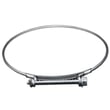
If you find a torn or deformed gasket, the correct replacement for this model is the washer door boot 5304505004. If the boot is good but not sealing evenly, the washer door boot spring clamp 134616300 is a common related fix.
E13 is not just an “annoying code”; leaks and pressure-sensing problems can stop cycles, prevent proper draining or spinning, and lead to odors or mold if moisture stays trapped. Our EFLS627UTT2 owner’s manual also emphasizes using HE detergent and drying the gasket folds to help prevent recurring moisture issues.
Last updated: February 2026
What is the life expectancy of an Electrolux washing machine?
Most Electrolux washing machines, including model EFLS627UTT2, typically last 10 to 13 years with normal household use and routine maintenance. Consistent cleaning, correct detergent use (HE), and quick attention to leaks or vibration are the biggest factors that extend washer life; see the EFLS627UTT2 owner's manual for care and cleaning routines.
A front-load washer’s service life depends more on usage and maintenance than brand name alone.
- Loads per week: more cycles equals faster wear on bearings, shocks, and pumps
- Detergent habits: too much detergent can cause residue, odor, and drain issues
- Moisture control: leaving the door closed traps humidity and promotes mildew
- Installation quality: an unlevel washer increases vibration and suspension wear
- Water quality: hard water can increase scale and valve/dispenser buildup
Life expectancy is how long the washer commonly runs before major repairs become likely. Warranty coverage is separate.
| Item | What it tells you | What it does not tell you |
|---|---|---|
| Typical life expectancy (10 to 13 years) | Common real-world service life | Exact remaining years for your washer |
| Limited warranty terms | What Electrolux covers for specific components | How long every part will last |
These steps reduce the most common front-load failures (odor, leaks, draining problems, and vibration).
- Run a monthly cleaning cycle; wipe the door glass and gasket afterward
- Leave the door and dispenser slightly open between loads to dry the tub
- Check pockets to prevent coins, screws, and debris from damaging the drain pump
- Level the washer and confirm it is stable on the floor
- Inspect the door seal for tears or mold; replace if it starts leaking (example part: washer door boot 5304505004)
A washer that is kept clean, level, and dry between loads puts less strain on the drive system, suspension, and drain components. That directly reduces the chance of early failures like leaks at the door boot, excessive vibration, or slow draining.
Last updated: February 2026
Where can I find my Electrolux washer model number?
You can find the model number for your Electrolux washer on the appliance’s rating label; on model EFLS627UTT2, it’s typically located around the door opening (door frame area) or just inside the front panel where it’s easy to read when the door is open. Confirm the exact label location in the EFLS627UTT2 owner’s manual.
The rating label usually lists both identifiers you may need for parts and service.
- Model number (example format: EFLS627UTT2)
- Serial number (unique to your washer)
- Electrical ratings (volts, amps)
- Manufacturing information (varies by unit)
For Electrolux front-load washers like EFLS627UTT2, check these spots in order:
- Door opening on the cabinet front (around the door frame)
- Inside the door area near the hinge or latch side
- Behind the lower front access area (if equipped)
- Rear panel area near the power cord entry (less common)
Using the exact model number ensures we match the correct Electrolux washer parts for your configuration (controls, door lock, and water system parts can vary by model series).
| You need | Use it for | Example |
|---|---|---|
| Model number | Finding correct parts diagrams and compatible parts | EFLS627UTT2 |
| Serial number | Warranty and service identification | Varies by unit |
Last updated: February 2026