Owner’s manual
 Error Codes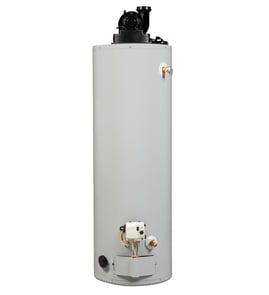




What's the average lifespan of a gas hot water heater?
Most gas water heaters last 8 to 12 years. For your American water heater FG6150T403NOV, regular tank flushing, checking the anode rod, and keeping the burner area clean are the most practical ways to reach the upper end of that range; see the FG6150T403NOV manual for model-specific maintenance steps.
Typical lifespan and what affects it
A gas water heater’s service life depends mainly on water quality, maintenance, and how hard the unit works.
- Water hardness and sediment: more buildup means more stress on the tank and burner
- Anode rod condition: a depleted anode speeds up tank corrosion
- Temperature setting: higher settings increase wear and scale
- Usage level: larger households cycle the heater more often
- Ventilation and combustion air: poor airflow can cause burner and pilot issues
Maintenance that helps a gas water heater last longer
These are the highest-impact tasks for most American gas water heaters:
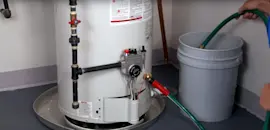
- Flush sediment from the tank periodically
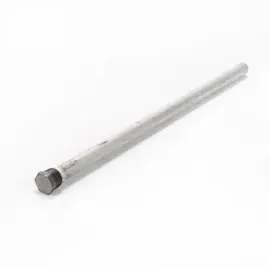
- Inspect the anode rod and replace it when significantly worn
- Test the temperature and pressure relief valve for proper operation
- Keep the burner compartment clean and free of lint and dust
- Watch for early leak signs around fittings and the base of the tank
If you’re planning maintenance, common wear items for this model include the water heater anode rod 100109594 and the drain valve 100109106.
Quick guide: when to maintain vs. replace
| What you notice | What it usually means | Best next step |
|---|---|---|
| Rumbling or popping | Sediment buildup | Flush the tank |
| Rusty or metallic-smelling hot water | Anode rod depleted | Inspect/replace anode rod |
| Water at the base of the tank | Tank leak | Plan replacement |
| Pilot won’t stay lit | Ignition or gas control issue | Inspect pilot/controls |
Why it matters
A water heater typically fails from internal tank corrosion or sediment-related overheating. Simple upkeep (especially flushing and anode rod replacement) reduces corrosion and helps maintain steady hot water output.
Last updated: January 2026
What is the most common problem with a gas hot water heater?
On the American FG6150T403NOV gas water heater, the most common problem is sediment buildup in the tank, which reduces heating efficiency and can lead to rumbling noises, longer recovery times, and premature wear on components like the drain valve and temperature and pressure relief valve.
What you typically notice first
- Hot water runs out faster than it used to
- Popping, crackling, or rumbling sounds during heating
- Water temperature swings (hot then lukewarm)
- Reduced hot-water flow when draining or flushing
- Rusty or cloudy water (often tied to tank corrosion and anode wear)
Quick checks and safe first steps
Before doing any maintenance, follow the shutdown and safety steps in the FG6150T403NOV owner's manual. Then:
- Flush a few gallons from the tank to see if grit or sand-like sediment comes out
- Test the drain outlet for clogging or slow flow (sediment often blocks it)
- Inspect for dripping at the relief valve discharge pipe (do not cap or plug it)
- Confirm the burner area is clean and unobstructed (dust can affect combustion)
- If you smell gas, stop and have the gas supply and appliance checked immediately
Parts that commonly get involved
Sediment and age-related wear often show up as leaks, poor draining, or safety valve issues. These model-matched parts are commonly replaced during service:
| Symptom | Likely maintenance/repair | Model-matched part |
|---|---|---|
| Tank will not drain well | Drain valve clogged or worn | Drain valve 100109106 |
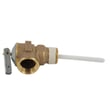
| Dripping from relief line | Relief valve weeping or failing | T&p valve 100108279 |
| Rusty water, sulfur smell, faster corrosion | Anode rod depleted | Water heater anode rod 100109594 |
Why it matters
Sediment acts like insulation between the burner heat and the water, so the heater works harder, uses more fuel, and can overheat the tank bottom. Regular flushing and timely anode rod replacement help extend tank life and reduce nuisance problems.
Last updated: January 2026
What is the average cost of a 50 gallon gas water heater?
A 50-gallon gas water heater typically costs $700 to $1,500 for the unit, and $1,500 to $3,500 installed once labor, venting, and any gas or plumbing updates are included. For American Water Heaters model FG6150T403NOV, use the FG6150T403NOV owner's manual to confirm the exact capacity and venting style before pricing a replacement.
What drives the price most
- Venting type: atmospheric (draft hood), power vent, or direct vent
- Efficiency and warranty length: higher efficiency and longer warranties cost more
- Code-related add-ons: expansion tank, seismic straps, drip pan, shutoff valves
- Gas and water line work: resizing, relocating, adding a sediment trap
- Access and disposal: tight closets, attic installs, hauling the old tank
Typical cost ranges (quick comparison)
| Cost item | Common range | What it includes |
|---|---|---|
| Water heater (50-gal gas) | $700 to $1,500 | Tank, burner system, standard fittings |
| Installation labor | $800 to $2,000 | Removal, set-in-place, basic hookups |
| Materials and upgrades | $100 to $1,000+ | Vent parts, valves, connectors, piping |
| Total installed (common) | $1,500 to $3,500 | Higher with venting or gas-line changes |
How we recommend estimating your installed total
- Identify your current venting: draft hood vs. power vent vs. direct vent
- Plan for common replacement items during install (connectors, fittings, shutoff)
- Budget extra if the location is hard to access or needs code updates
- If you are repairing instead of replacing, compare costs of service parts such as the drain valve 100109106 or the t&p valve 100108279
Why it matters
Pricing is mostly determined by venting and required plumbing or gas updates, not just tank size. Confirming your FG6150T403NOV configuration helps you avoid buying the wrong vent type and prevents surprise installation charges.
Last updated: January 2026