




What is diagnosis code 552?
For a GE GFD55ESPR2RS electric dryer, a “diagnosis code 552” refers to a dryer diagnostic or error code, not a medical diagnosis code. On this model series, code-style numbers are used to point you to a specific failure area (such as heating, motor, door switch, or controls) so you can troubleshoot the right system first.
- Power reset: Unplug the dryer (or switch off the breaker) for 2 minutes, then restore power.
- Door closure: Make sure the door closes firmly and the latch engages; a weak latch can prevent normal operation.
- Lint and airflow: Clean the lint screen and confirm strong airflow at the outside vent.
- Cycle selection: Try a timed dry cycle to rule out moisture-sensing cycle behavior.
- Listen and observe: Note whether the drum turns, heat comes on, or the unit beeps and stops.
If the code is tied to a symptom you are seeing, these are frequent suspects for GE electric dryers like the GFD55ESPR2RS:
| Symptom you notice | Most likely system | Example part on this page |
|---|---|---|
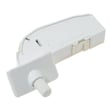
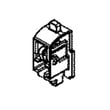
| Dryer will not start, acts like door is open | Door circuit | Door switch WE04X34281 |
| Door won’t stay shut or won’t “click” closed | Latch/strike | Dryer door latch WE01X29738 |
| Runs but no heat or weak heat | Heating circuit/overheat protection | Dryer heater assembly WE11X29790 |
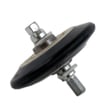
| Loud rumbling or thumping while tumbling | Drum support | Dryer drum support roller assembly WE03X10016 |
Using the correct GE dryer diagnostic meaning prevents replacing the wrong part. A “552” style code typically narrows troubleshooting to one circuit (controls, heat, motor, or door), which saves time and avoids repeat breakdowns.
Look up the exact meaning for your model series and then match it to your symptom using our code guide: GE gfd model series error codes.
Last updated: February 2026
What is the most common problem with a GE dryer?
For a GE electric dryer like model GFD55ESPR2RS, the most common problem we see is poor or no heat, usually tied to airflow restrictions (lint buildup or a blocked vent) or a failed heating circuit component such as the heater or thermostat.
- Runs but clothes stay damp: restricted venting, clogged lint path, or a heating problem
- Stops early or cycles oddly: moisture sensor issues or overheating from poor airflow
- Squealing or thumping: worn drum support parts or belt drive components
- Won’t start: door switch or control-related issue
- Burning smell: lint buildup in the cabinet or venting
- Clean the lint screen every load; if it has fabric softener residue, wash it with warm water and a soft brush.
- Check airflow at the outside vent hood while the dryer runs; weak airflow points to a vent restriction.
- Inspect the vent path (behind the dryer through the wall) for kinks, crushed flex duct, or lint buildup.
- If the dryer heats briefly then quits, address airflow first to prevent repeated overheating.
If troubleshooting points to a failed component, these are frequently involved on GFD55ESPR2RS:
| Symptom | Common suspect | Example part on this page |
|---|---|---|
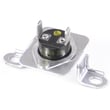
| No heat or weak heat | Heater or safety thermostat | Dryer heater assembly WE11X29790, inlet backup thermostat WE04X29792 |
| Squealing, rumbling, thumping | Rollers, idler, belt | Dryer drum support roller assembly WE03X10016, dryer idler assembly WE03X30657, dryer drum belt WE03X29704 |
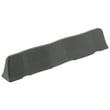
| Won’t start when door closes | Door switch or latch/strike | Door switch WE04X34281, dryer door latch WE01X29738, dryer door strike (gray) WE01X34284 |
Heat complaints are often caused by airflow, not just a bad part. Restoring proper venting helps drying performance, reduces overheating shutdowns, and can prevent repeat failures of thermostats and heating components.
- Use GE gfd model series error codes if your display shows a fault code.
- For drying-time complaints, follow the steps in dryer takes a long time to dry.
Last updated: February 2026
What's the life expectancy of a GE dryer?
A GE electric dryer like model GFD55ESPR2RS typically lasts 13 years with normal household use. Regular vent cleaning, lint removal, and fixing wear parts early (belt, rollers, idler) helps you reach that lifespan and avoid bigger repairs.
Most dryers land in a similar range, but these factors move the needle:
- Vent restriction (long runs, crushed flex duct, clogged hood) increases heat and strain
- Overloading stretches the belt and stresses drum supports
- Lint buildup reduces airflow and can overheat thermostats and the heater
- High weekly usage (large families) shortens service life
- Delayed maintenance turns small wear into motor, drum, or control issues
We recommend these habits for GE GFD-series dryers:
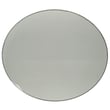
- Clean the lint screen every load; replace a damaged screen such as the dryer lint screen WE16X32537
- Inspect and clean the vent path (dryer outlet to exterior hood) on a schedule
- Keep the area around the dryer clean so the blower can move air efficiently
- If drying times increase, address airflow first before replacing electrical parts
- If you hear squealing or thumping, service the drum support system early
If the dryer runs but gets noisy, stops tumbling, or struggles to dry, these parts are frequent culprits:
| Symptom | Common wear area | Example part for GFD55ESPR2RS |
|---|---|---|
| Squeal, rumble, thump | Drum support | Dryer drum support roller assembly WE03X10016 |
| Drum not turning, burning rubber smell | Belt | Dryer drum belt WE03X29704 |
| Squeal, belt slipping, poor tension | Idler/tensioner | Dryer idler assembly WE03X30657 |
| Runs but no heat or weak heat | Heating circuit safety | Inlet backup thermostat WE04X29792 |
A dryer that is maintained for airflow and repaired when wear starts usually avoids expensive secondary damage (overheated heater housing, strained motor, worn drum supports). That is the difference between replacing a belt and replacing a drum or motor.
Last updated: February 2026





