Owner’s manual




What kind of gas goes in a Craftsman 3000 PSI pressure washer?
For the Craftsman pressure washer model 580752521, we use clean, fresh unleaded gasoline with a minimum 87 octane (87 AKI) rating. Avoid old fuel and don’t mix oil into the gas (this is a 4-cycle engine setup).
Fuel type and what to avoid
Use standard pump gas that meets the octane requirement; the biggest problems we see come from stale fuel or contaminated fuel.
- Use unleaded gasoline, 87 octane (AKI) or higher
- Use fresh fuel (best practice: buy what you’ll use within 30 days)
- Avoid fuel that smells “varnished” or looks dark
- Don’t use gas mixed with 2-cycle oil
- If your area sells ethanol blends, keep it as low as practical (higher ethanol can increase storage issues)
Quick checklist before you fill the tank
These steps prevent hard-starting, surging, and loss of pressure caused by engine speed changes.
- Shut the engine off and let it cool before refueling
- Fill outdoors, away from ignition sources
- Wipe up spills before starting
- Don’t overfill; leave room for expansion
- If it will sit, run the engine briefly after adding treated fuel so it reaches the carburetor
Fuel guidance at a glance
| Situation | What we recommend | Why |
|---|---|---|
| Normal weekly use | Fresh unleaded, 87+ octane | Reliable starting and steady RPM |
| Infrequent use or storage | Fresh unleaded plus fuel stabilizer | Reduces gum and varnish buildup |
| Hard starting after storage | Drain old fuel and refill with fresh | Old fuel is the most common cause |
Why it matters
Your 580752521’s pump output depends on consistent engine RPM. The right fuel (and fresh fuel) helps prevent carburetor clogging, rough running, and “pressure fading” during a job.
For model-specific operating and fueling notes, follow the 580752521 owner’s manual.
Last updated: February 2026
What PSI should my pressure washer be?
For a Craftsman gas pressure washer like model 580752521, the “right” PSI depends on what you’re cleaning: most homeowners get the best results in the 1,300 to 2,800 PSI range for cars, decks, fences, and patios. Use the PSI rating as a guide, then match the spray tip and technique to the surface.
Quick PSI guide by job
- 1,300 to 1,900 PSI: cars, patio furniture, grills, delicate wood
- 2,000 to 2,800 PSI: decks, fences, siding, most patio and driveway cleaning
- 2,900+ PSI: heavy concrete and stubborn stains (higher risk of surface damage)
- Use lower PSI first, then increase only if needed
- Keep the nozzle moving to avoid etching wood or concrete
What to check on your 580752521
Even if your washer is rated for a certain PSI, real-world pressure drops when there’s restriction or wear.
| What you notice | Common cause | What to do first |
|---|---|---|
| Pressure is weak or surges | Clogged nozzle, air in water supply, worn seals | Purge air, clean tip, verify steady water flow |
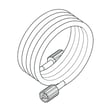
| Pressure is fine but flow is low | Kinked or restricted hose | Inspect/replace the pressure washer hose 84006753 |
| Soap won’t draw | Injector line issue or blockage | Check the pressure washer chemical injector hose 705076 and injector port |
Why it matters
Using too much PSI can damage paint, wood fibers, and concrete surfaces; using too little PSI wastes time and can make you overwork the pump and engine. The best cleaning comes from the right balance of PSI, GPM (flow), spray tip angle, and distance.
Helpful references
- For operating limits, spray tip selection, and safe distances, follow the 580752521 owner’s manual.
- If your pressure is inconsistent, use the troubleshooting steps in solving pressure washer problems.
Last updated: February 2026
Is it worth repairing a pressure washer?
Yes, repairing a Craftsman pressure washer like model 580752521 is worth it when the fix is a common wear item (hose, injector line, seals) and the engine and pump are basically sound; if the pump or engine has major internal damage, replacement usually makes more sense.
Quick decision checklist
- Repair it if the issue is a leak, clog, worn hose, or chemical pickup problem
- Repair it if the unit starts easily and runs smoothly under load
- Replace it if the pump has severe scoring, cracked housing, or won’t build pressure after basic fixes
- Replace it if the engine has low compression, heavy knocking, or persistent smoke
- Repair it if parts cost is comfortably less than about half the price of a comparable new gas unit
Common “worth it” repairs on model 580752521
These are typical, high-success fixes that restore performance without major teardown:
- Replace a damaged high-pressure hose: pressure washer hose 84006753
- Fix chemical draw issues (cracked or loose injector line): pressure washer chemical injector hose 705076
- Clear a clogged spray tip or inlet screen and purge air from the pump
- Address pressure surging by inspecting the unloader system: how to replace a pressure washer unloader valve
Cost and effort comparison
| Situation | Typical outcome | Usually worth repairing? |
|---|---|---|
| Leaks at fittings, worn hose, bad injector line | Fast fix, low risk | Yes |
| Low pressure from clogged tip, air in system | No parts or minimal parts | Yes |
| Pressure surges from unloader or check valve issues | Moderate DIY repair | Often |
| Pump or engine internal failure | High cost, high downtime | Usually no |
Why it matters
A pressure washer’s value is mostly in the pump and engine. When those core components are healthy, replacing external wear parts and fixing flow restrictions can bring your PSI and GPM back quickly and keep the machine reliable for seasonal cleaning.
What we recommend before you decide
- Verify strong garden-hose flow to the inlet and check the inlet screen.
- Test with a known-good spray tip and fully purge air (trigger held until flow is steady).
- Inspect for obvious leaks and hose bulges.
- Review maintenance and operating steps in the 580752521 owner’s manual.
Last updated: February 2026