Installation guide
 Owner’s manual
 Error Codes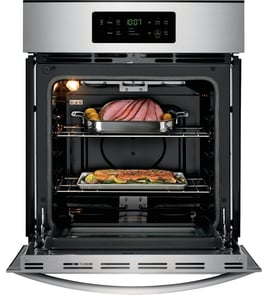



Are all GE oven light bulbs the same?
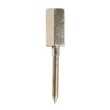
No. GE oven light bulbs are not all the same; they can differ by base type, voltage, wattage, bulb shape, and heat rating. For the GE JKS3000DN1BB electric wall oven, we recommend matching the bulb specifications listed in the JKS3000DN1BB owner's manual or replacing with the exact OEM part.
Use these checkpoints so the new bulb fits the socket and survives oven heat:
- Base type (common types include screw-in styles; the base must match exactly)
- Voltage (most U.S. wall ovens use 120V oven lamps)
- Wattage (must not exceed the oven’s rating)
- Heat rating (must be an appliance/oven-rated bulb, not a standard household bulb)
- Bulb shape and size (so it clears the lens/cover)
For this model, the listed replacement part is:
| What you’re checking | Why it matters | What to do |
|---|---|---|
| Base and fit | Prevents cross-threading or loose contact | Match the original bulb base exactly |
| Wattage | Too high can overheat the lens or wiring | Stay at or under the manual’s rating |
| Heat rating | Standard bulbs fail quickly in ovens | Use an oven-rated incandescent/appliance bulb |
| Lens/cover clearance | Avoids contact and breakage | Match bulb shape/length |
Using the wrong oven light bulb can cause early burnouts, a bulb that will not fit the socket, or overheating around the light lens and wiring. Matching the correct specs keeps the light reliable during bake and broil cycles.
Last updated: February 2026
How long do GE wall ovens last?
Most GE electric wall ovens, including the GE JKS3000DN1BB, last about 12 to 15 years with normal household use. Lifespan depends most on heat exposure over time, keeping airflow paths clear, and fixing small issues (like temperature accuracy) before they strain other components.
- How often you bake/broil (daily use shortens life compared to occasional use)
- Overheating and poor ventilation (blocked airflow makes electronics run hotter)
- Power quality (surges and loose connections stress control boards)
- Door seal condition (heat leaks force longer run times)
- Temperature accuracy (wide swings can overwork elements and controls)
Use these habits from day one; they reduce heat stress and prevent repeat failures.
- Keep the door gasket clean and seated; replace it if it’s torn or flattened.
- Avoid slamming the door; it can damage hinges and the door seal.
- Wipe spills after the oven cools; baked-on residue can create hot spots.
- If baking seems inconsistent, test/replace the temperature sensor early (common wear item).
- Follow cleaning and operating guidance in the JKS3000DN1BB owner’s manual.
| Symptom you notice | Likely wear area | Example part for this model |
|---|---|---|
| Oven temp is off, long preheat | Temperature sensing | Wall oven temperature sensor WB21X10165 |
| Fan runs loud or not at all | Cooling/venting | Cooling fan assembly (model-specific) |
| Door doesn’t seal tightly | Door gasket/liner | Door gasket/liner components |
A wall oven can keep heating even when it’s aging, but poor temperature control and overheating are what usually turn a “still usable” oven into an expensive repair. Catching sensor, gasket, and cooling issues early helps protect the control board and wiring.
Last updated: February 2026
How to find wall oven model number?
On the GE JKS3000DN1BB electric wall oven, the model number is printed on the appliance rating label. You will typically find that label on the side trim or on the front of the lower oven frame behind the oven door; write it down exactly as shown for correct parts lookup.
- Open the oven door and look along the front frame around the opening.
- Check the side trim area (left or right side) near the front.
- If it is a double-oven style, check the front of the lower oven behind the door.
- Use a flashlight; the label can be small and easy to miss.
If you do not see it on the front frame or side trim, check these spots next:
- Around the door rim area (near the gasket line)
- Along the inside edge of the oven cavity opening
- On the top of the oven (more common to see during installation)
| What you see | What it means | What to do |
|---|---|---|
| Model number (example format: JKS3000DN1BB) | Identifies the exact oven version | Use it to match diagrams and parts |
| Serial number | Production code for your unit | Keep it for service and warranty records |
GE wall ovens can look similar across model families (JKS3000, JTS3000, JKD3000, JTD3000), but parts like the control board, door components, and sensors can differ. Using the exact model number helps us match the correct replacement part the first time.
Once you have the model number, compare it to the model shown on your JKS3000DN1BB owner’s manual. If you are troubleshooting temperature issues after confirming the model, a common related part is the wall oven temperature sensor WB21X10165.
Last updated: February 2026
How to replace the control panel on a GE oven?
On the GE JKS3000DN1BB electric wall oven, replacing the control panel typically means shutting off power, removing the oven from the cabinet enough to access the control area, transferring the wiring one connector at a time, then reinstalling and verifying all bake and broil functions per the JKS3000DN1BB installation guide.
- Turn off the breaker to the wall oven (240V circuit) and confirm the display is off.
- Let the oven cool completely.
- Protect the cabinet and floor; the oven is heavy.
- Plan for a second person to help support the oven while it is partially pulled out.
- Use the correct drivers (a T20 and Phillips are commonly needed for this installation platform).
- Shut off power at the breaker.
- Pull the oven forward enough to access the control panel area (many installs require loosening mounting screws and sliding the unit forward).
- Remove the control panel fasteners (often screws on the back or underside of the panel).
- Tilt and lift the panel to release it from tabs, then support it so wiring is not strained.
- Move wire connectors one at a time from the old panel to the new panel (match connector shapes and positions).
- Reinstall the panel, then slide the oven back and secure it.
- Restore power and run an operation check.
The installation checklist for this oven platform calls out verifying cooking functions after power is restored. Use this quick check:
- Set Bake and confirm the oven begins heating.
- Set Broil and confirm it begins heating.
- Confirm the oven light works.
- Confirm the controls are OFF before you finish.
| What you see | What it usually means | What to do next |
|---|---|---|
| Blank display after restore | No power or loose connector | Recheck breaker, then re-seat connectors |
| Heats but temp seems off | Sensor issue | Test/replace wall oven temperature sensor WB21X10165 |
| Fan runs constantly or errors | Cooling circuit issue | Inspect cooling fan wiring and board connections |
A control panel swap is mostly a wiring and reassembly job; one loose connector or pinched harness can cause a dead display, error codes, or heating problems. Doing a structured operation check prevents repeat tear-downs.
Last updated: February 2026
How to reset a GE wall oven?
To reset your GE JKS3000DN1BB electric wall oven, turn the oven off, then reset power at the home breaker (or fuse) for at least 30 seconds and restore power. This reboots the electronic control and clears many temporary glitches after a surge or error.
- Touch Cancel/Off to stop any active bake, broil, or clean cycle.
- Turn the oven circuit breaker OFF (or remove the fuse).
- Wait 30 to 60 seconds.
- Turn the breaker ON (or reinstall the fuse).
- Set the clock if it is flashing.
- Test Bake for 5 minutes to confirm the control responds.
A blank display or repeating function code usually points to a power interruption or a condition the control still detects after reboot.
- If the display is blank, check for a tripped breaker or blown fuse.
- If the clock was turned off or the oven is in a special mode (such as Sabbath), adjust settings in the special features menu.
- If a function error code repeats after a power reset, schedule service.
| Symptom | Most likely cause | Best next step |
|---|---|---|
| Display blank | Breaker tripped or fuse blown | Restore power, then reset again |
| Clock flashing | Power outage/surge | Set clock, then reselect cooking mode |
| Error code repeats | Persistent fault detected | Service diagnosis after reset |
A breaker reset is the fastest way to reboot the control board after a power surge, a locked-up keypad, or a canceled cycle. It also helps you confirm whether the issue is a temporary control glitch or a part-related problem.
If the oven still heats incorrectly or throws temperature-related errors after resets, these model-matched parts are commonly checked during diagnosis:
- Wall oven temperature sensor WB21X10165 (monitors oven temperature)
- Control board asm WB27X36809 (manages oven functions and display)
For control locations, special features, and operating steps, use the JKS3000DN1BB owner’s manual.
Last updated: February 2026
What are the parts of an electric oven?
An electric wall oven like the GE JKS3000DN1BB is built around heating elements, temperature sensing, controls, and door and rack hardware that work together to bake and broil safely and evenly. For model-specific use and care details, follow the JKS3000DN1BB owner's manual.
- Bake element (main heat source for baking; often hidden under the oven floor on many designs)
- Broil element (top heat for broiling and browning)
- Oven temperature sensor (tells the control how hot the oven is)
- Electronic control board and user interface (sets modes, times, and temperatures)
- Oven racks (support cookware and help position food for even cooking)
- Oven light system (bulb, lens/cover, and sometimes a full light assembly)
These are common service parts for this model that match the functions above:
| Function | Example part on this model | What it does |
|---|---|---|
| Temperature sensing | Wall oven temperature sensor WB21X10165 | Helps the control regulate oven temperature |
| Cooling/venting | Wall Oven Cooling Fan Assembly WB26X31060 | Moves air to protect controls and cabinetry |
| Door safety/locking | Wall Oven Door Lock Assembly WB10X28391 | Locks the door during certain operations |
| Lighting | Wall Oven Light Bulb WB25T10102 | Illuminates the oven cavity |
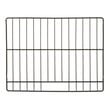
| Rack support | Wall Oven Rack WB48X32180 | Holds pans at different rack positions |
Knowing the major oven parts helps you troubleshoot symptoms faster. For example, uneven baking often points to a heating or sensing issue (element, sensor, or control), while a dark oven cavity points to the bulb or light assembly.
- Disconnect power at the breaker before removing panels or replacing the oven light.
- Let the oven cool completely before touching the light cover or interior surfaces.
- Confirm your electrical requirements and cabinet heat tolerance during installation using the JKS3000DN1BB installation guide.
Last updated: February 2026
What does F9 mean on GE oven?
On the GE JKS3000DN1BB electric wall oven, an F9 error code typically points to a problem in the door lock circuit (the lock, its wiring, or the control sensing the lock position). This often shows up during self-clean or right after a clean cycle.
- Press Clear/Off to stop the cycle and let the oven cool.
- If the code appeared during Self Clean, wait until the oven is fully cool; the lock can stay engaged until temperatures drop.
- Turn power off at the breaker for 2 to 5 minutes, then restore power and retest.
- Check that the oven door is fully closed and not binding.
- If the door is locked and will not unlock after cooling, avoid forcing it; the latch mechanism can be damaged.
| Likely cause | What you may notice | Typical fix |
|---|---|---|
| Door lock assembly issue | Won’t lock/unlock, F9 during clean | Inspect/replace wall oven door lock assembly WB10X28391 |
| Wiring/connector problem in lock circuit | Intermittent F9, works sometimes | Inspect harness connections; repair damaged wires |
| Control not reading lock position | F9 persists after reset | Diagnose control inputs; service may be needed |
- Wall oven door lock assembly WB10X28391 (latch motor and switch mechanism)
- Main harness connections between the latch and control (look for loose plugs or heat damage)
- Control electronics (if the latch tests good but the code returns)
The oven uses the door lock circuit to keep the door secured during high-heat self-clean. When the control cannot confirm the lock position, it triggers F9 to prevent unsafe operation and protect the appliance.
Use the JKS3000DN1BB owner’s manual for the exact control-panel steps for canceling self-clean, cooling/unlock behavior, and any model-specific troubleshooting guidance.
Last updated: February 2026