Error Codes




What is the most common problem with GE washers?
For the GE PFW955SPW0GN front-load washer, the most common service issues are drain and spin problems (won’t drain, won’t spin, or stops mid-cycle), followed closely by door lock faults and water leaks around the door boot or hoses. These symptoms often trace back to the drain pump, door lock/latch, or electronic controls.
- Won’t drain / water left in tub: clogged pump filter, blocked sump hose, failing drain pump
- Won’t spin / slow or unbalanced spin: load size issues, suspension problems, motor or inverter control issues
- Door won’t lock or won’t start: failed door lock or latch, strike alignment issues
- Leaks at the front: door boot clamp loose, door boot damage, dispenser or fill hose leak
- Random stopping / dead display: control board or user interface problems
- Reset power: unplug for 2 minutes, then retry a Drain/Spin cycle.
- Check the load: one bulky item can cause repeated out-of-balance behavior; redistribute and retry.
- Verify draining: confirm the standpipe is not backing up and the drain hose is not kinked.
- Inspect for leaks: look for drips at the door opening and under the front edge.
- Listen for the door lock click at cycle start; no click often indicates a lock/latch issue.
| Symptom | Likely area | Example part for this model |
|---|---|---|
| Won’t drain / humming pump | Drain system | GE washer drain pump assembly WH11X39237 |
| Door won’t lock / won’t start | Door lock system | GE washer door lock WH01X29528 |
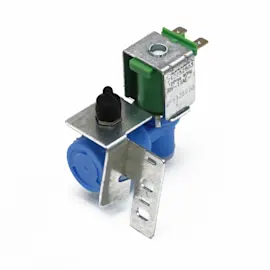
| Won’t fill or fills slowly | Water inlet | GE washer water inlet valve WH23X29553 |
| Dead, glitchy, or erratic operation | Controls | GE main control board for front-load washer WH22X37840 |
Drain, spin, and door-lock problems can look similar (the washer may stop, beep, or refuse to start), but the fix is different. Narrowing the symptom first helps you avoid replacing the wrong part and gets your GE washer back to normal cycle completion faster.
Last updated: January 2026
Does the GE ultrafresh vent system use a lot of electricity?
On the GE PFW955SPW0GN washer, the UltraFresh Vent (fan-dry) feature uses a small amount of electricity compared with heating appliances; the main “cost” is that it can run for hours after the cycle to keep the tub and door boot dry and help prevent odor and mildew.
Most washer vent or fan-dry systems are low-wattage (similar to a small fan). Actual usage depends on how long the feature runs and how often you use it.
- The vent system typically uses less power than running a heated dryer cycle.
- Longer run time increases total energy use more than the wattage does.
- Using it after heavy, warm loads (towels, bedding) usually provides the most benefit.
- If you already leave the door ajar and wipe the door boot, you may not need it every time.
Your cost depends on your local electric rate and the vent run time.
| Example input | What it means | Typical result |
|---|---|---|
| 30 watts for 8 hours | 0.03 kW × 8 h | 0.24 kWh |
| Electric rate $0.15/kWh | Utility price per kWh | About $0.04 per use |
If the fan runs but the washer still smells musty, focus on airflow and drainage first.
- Clean the door boot folds and glass; remove hair, lint, and detergent residue.
- Check that the washer is level so water drains fully from the tub and sump.
- Use the right detergent amount (HE detergent, avoid overdosing).
- Inspect for slow draining or standing water; a restricted pump or hose can keep the tub wet.
- If the washer will not drain well, check the GE washer drain pump assembly WH11X39237 and the sump hose WH41X30355 for blockage, kinks, or leaks.
A front-load washer that stays damp can develop odor, residue buildup, and mildew on the door boot. The UltraFresh Vent feature is designed to reduce that moisture between loads, which can reduce how often you need deep cleaning.
Last updated: January 2026
What is the life expectancy of a GE Profile washer?
A GE Profile washer like model PFW955SPW0GN typically lasts 10 to 14 years with normal household use. Consistent cleaning, correct detergent use (HE), and fixing small issues early usually keeps the tub, drain system, and controls running longer.
- Loads per week: More cycles per week shortens overall life.
- Overloading: Increases stress on the basket, suspension, and drive system.
- Detergent habits: Too much detergent can cause residue, odors, and drainage issues.
- Water quality: Hard water can accelerate buildup in the dispenser and inlet screens.
- Ventilation: Leaving the door ajar helps prevent mold and boot deterioration.
- Run a monthly cleaning cycle (or hot cycle) and wipe the door boot dry.
- Clean the dispenser drawer and flush the dispenser housing.
- Check fill performance; slow filling can point to a restricted valve or screens.
- Keep the washer level to reduce vibration and suspension wear.
- Address draining problems quickly to protect the pump and control.
| Symptom | Often related to | Example part for PFW955SPW0GN |
|---|---|---|
| Door won’t lock or unlock | Door lock or latch system | GE washer door lock WH01X29528 |
| Won’t drain, water left in tub | Drain pump or drain path restriction | GE washer drain pump assembly WH11X39237 |
| Won’t fill or fills slowly | Inlet valve or clogged screens | GE washer water inlet valve WH23X29553 |
| Random shutdowns, dead display | Main control or user interface | GE main control board for front-load washer WH22X37840 |
A front-load washer can run for years with minor part replacements, but ignoring early signs (leaks, door lock errors, slow drain, heavy vibration) often turns a small repair into a major failure. Planning around the 10 to 14 year range helps you decide when to repair versus replace.
For model-specific troubleshooting steps when a code appears, use our GE profile front load washer error codes.
Last updated: January 2026