




Is the steam feature on a dryer worth it?
Yes, a steam feature is worth it when you want fewer wrinkles and faster refreshes between washes. On a GE dryer like model PTD70EBST0WS, steam cycles can reduce light odors and relax fabric so you spend less time ironing, but they do not replace washing for true stains or heavy smells.
What steam is best for (and what it is not)
Steam is a convenience feature; it shines on “wear again” items and quick touch-ups.
- Refreshing lightly worn clothes (jackets, dress shirts, school uniforms)
- Reducing wrinkles after clothes sit in the drum
- Helping relax fabric before a quick hang or fold
- Cutting down on ironing time for cotton blends
- Not a substitute for washing sweaty, smoky, or stained items
When steam is worth the extra cost
Steam is usually a good value if you frequently dry:
- Work clothes or business casual items
- Kids’ uniforms and “tomorrow morning” outfits
- Loads that tend to wrinkle (cottons, blends)
If you mostly dry towels, jeans, and athletic wear, you may use steam less often.
What you may need to maintain
Steam performance depends on airflow and basic upkeep.
| Item | Why it matters | What to do |
|---|---|---|
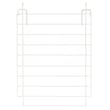
| Lint screen | Restricted airflow increases wrinkles and dry time | Clean every load; replace if damaged (GE dryer lint screen WE03X23881) |
| Venting/ducting | Poor airflow reduces drying and refresh results | Keep vent path clear and short when possible |
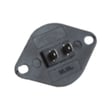
| Heat sensing | Steam cycles still rely on proper temperature control | If drying is erratic, check heat-sensing components |
Why it matters
Steam can save time and reduce fabric stress by avoiding re-washing or over-drying just to get wrinkles out. It is most noticeable for “quick refresh” needs and for households that want clothes ready to wear with minimal finishing.
You can order replacement parts for your GE PTD70EBST0WS from the parts list for this model, or search by model number on Sears PartsDirect.
Last updated: February 2026
Is a 7.3 cubic foot dryer big?
Yes. A 7.3 cubic foot dryer is considered a large-capacity size for a GE dryer like model PTD70EBST0WS; it gives you extra drum space for bulky items (comforters, blankets) and larger mixed loads, which can reduce the number of cycles you run.
What “7.3 cu. ft.” means in real use
Capacity is the approximate interior drum volume. In day-to-day laundry, a larger drum helps airflow around items so they dry more evenly.
Typical load examples that fit well in a 7.3 cu. ft. dryer:
- A king or queen comforter (material and fill matter)
- A full set of towels
- A large mixed family load (shirts, jeans, socks)
- Bulky hoodies and sweatpants
Quick capacity comparison
| Dryer capacity | Common label | Best for |
|---|---|---|
| 5.0 to 6.0 cu. ft. | Standard | Singles, couples, smaller loads |
| 6.1 to 7.0 cu. ft. | Large | Regular family laundry |
| 7.1+ cu. ft. | Extra-large | Bulky items and fewer loads |
Getting the best drying results (and avoiding overloading)
Even with a large drum, overfilling can cause long dry times and wrinkles. We recommend:
- Fill the drum loosely; items should tumble freely
- Use sensor-dry cycles for mixed loads when available
- Clean the lint screen every load; replace it if it is torn or warped
- Check venting for restrictions if dry times increase
- If the dryer starts taking longer to dry, follow dryer takes a long time to dry
Why it matters
A 7.3 cu. ft. capacity can save time and energy by drying more per cycle, but only when airflow is strong. Lint buildup, a clogged duct, or a damaged lint screen can make even a large-capacity dryer dry poorly.
If you need replacement maintenance parts for PTD70EBST0WS, common items include the GE dryer lint screen WE03X23881 and heating components like the GE dryer heater assembly WE11X21156. You can also search by model number on Sears PartsDirect.
Last updated: February 2026
What is the life expectancy of a GE dryer?
A GE dryer like model PTD70EBST0WS typically lasts 10 to 13 years. With consistent lint and vent cleaning and quick repairs when symptoms start, it’s common to reach the upper end of that range without sacrificing drying performance or safety.
Typical lifespan and what affects it
Most electric dryers fall into a predictable lifespan range, and day-to-day care makes the biggest difference.
- Load frequency: multiple loads daily shortens life faster than light weekly use
- Airflow maintenance: a clean lint screen and clear vent reduce heat stress
- Overloading: strains the drum, belt, and idler system
- Heat control health: failed thermostats or thermistors can overheat components
- Noise and friction: worn glides and bearings accelerate drum and belt wear
Quick maintenance checklist (best ROI)
Use this routine to extend the life of your PTD70EBST0WS dryer.
- Clean the lint screen every load; replace a damaged screen such as GE dryer lint screen WE03X23881
- Check vent airflow; weak airflow often causes long dry times and overheating
- Vacuum lint from the lint duct area periodically (with power disconnected)
- Avoid overloading; keep bulky loads loosely packed
- Stop using the dryer if you smell burning or hear grinding or squealing
Common “wear-out” parts and what they usually cause
| Symptom | Common wear area | Example part for this model |
|---|---|---|
| Squealing, scraping, thumping | Drum glides and upper bearing | Dryer drum glide bearing WE03X37319 or dryer drum bearing and slide assembly, upper WE03X23875 |
| Drum not turning or slipping | Belt and idler system | Dryer drum belt WE03X33648 or dryer idler pulley WE03X31620 |
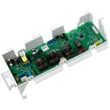
| No heat or poor heat control | Heater and temperature sensing | GE dryer heater assembly WE11X21156 or dryer thermistor WE4M448 |
Why it matters
A dryer near end-of-life often shows up as longer dry times, hotter cabinet temps, and new noises. Addressing airflow and early wear parts helps prevent bigger failures like a damaged drum, motor, or control board.
For more repair and maintenance help and to find additional parts by model number, use the parts list for PTD70EBST0WS or visit Sears PartsDirect.
Last updated: February 2026
What is the most common problem with a GE dryer?
The most common problem we see with GE dryers like model PTD70EBST0WS is poor or no drying heat, and the most common root cause is restricted airflow from lint buildup in the lint screen, ducting, or vent hood. No-start issues are also common, but airflow-related heating complaints lead the list.
Most common symptoms and what they usually point to
- No heat or weak heat: heating circuit issue (element, thermostat, thermistor) or airflow restriction
- Long dry times: clogged lint screen, crushed/kinked vent, blocked outside hood
- Stops mid-cycle: overheating from poor airflow; safety controls open to protect the dryer
- Squealing or scraping noise: worn drum glides or bearing surfaces
- Runs but clothes stay damp on sensor cycles: moisture sensor contamination or failure
Parts that commonly fix “no heat” or “takes too long” on PTD70EBST0WS
If airflow checks out, these are the most common electric-dryer heat-related parts to test or replace:
| Symptom | Common part to check | Example part for this model |
|---|---|---|
| No heat | Heating element or heater assembly | Dryer heating element WE11M10001 or GE dryer heater assembly WE11X21156 |
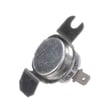
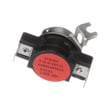
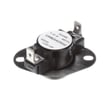
| Overheats, then shuts down | High-limit thermostat | Thermostat hi limit WE04X30381 |
| Erratic temps, poor drying | Thermistor | Dryer thermistor WE4M448 or dryer heating element control thermistor WE4M398 |
Airflow checks (fast, high-impact)
Good airflow prevents overheating, protects thermostats, and shortens dry time.
- Clean the lint screen before every load; wash it with mild soap if fabric softener residue is present
- Inspect the vent hose for kinks, crushing, or excessive length
- Check the outside vent hood for a stuck flap, lint matting, or bird nesting
- Run a timed dry cycle and confirm strong airflow outside
Why it matters
Airflow problems can mimic a failed heating element and can also cause repeated overheating, which shortens the life of heat controls and wiring. Fixing venting first often restores normal drying without unnecessary parts.
For more GE dryer troubleshooting patterns and fault indicators, use our GE cleanspeak dryer error codes guide. You can order PTD70EBST0WS replacement parts from the parts list for this model, or search by model number on Sears PartsDirect.
Last updated: February 2026