 Error Codes




What brand of dryer has the least problems?
We can’t name a single dryer brand that has the “least problems” in a way that’s verifiable for every year and model line; reliability varies by model series, installation, and maintenance. For your GE GFD85ESPN1RS dryer, the most effective way to prevent problems is keeping airflow strong and addressing early wear symptoms using GE gfd model series error codes.
What to use instead of brand rankings
Rather than relying on a universal brand list, we recommend focusing on factors that most strongly predict fewer repairs across all dryers:
- Short, smooth, unobstructed venting (good airflow)
- Cleaning the lint screen every load
- Periodic vent and lint-path cleaning
- Avoiding chronic overloading (reduces strain on belt, rollers, motor)
- Fixing new noises or longer dry times early
Practical reliability checklist for GE GFD85ESPN1RS
These checks reduce the most common dryer complaints (long dry times, overheating, noise, and shutdowns):
- Verify strong airflow at the outside vent hood while running
- Keep the vent run as short as possible; avoid crushed ducting
- Clean the lint screen housing and blower area if drying slows
- If you hear squealing or thumping, inspect drum support and belt-drive parts
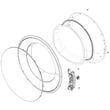
- If the door won’t latch consistently, inspect the latch and strike alignment
Common symptom-to-part examples (this model)
| Symptom | Likely area | Example compatible part |
|---|---|---|
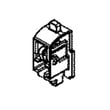
| Thumping or rumbling | Drum support rollers | Dryer drum support roller assembly WE03X10016 |
| Squealing or chirping | Idler/belt path | Dryer idler assembly WE03X30657 |
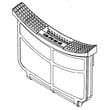
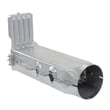
| Long dry times | Lint/airflow path | Dryer lint screen WE16X32537 |
Why it matters
Most “problem” reports are driven by restricted airflow and normal wear items (rollers, belt, idler). Keeping the dryer running cooler and quieter typically prevents repeat service issues and extends component life.
Last updated: January 2026
What is the life expectancy of a GE dryer?
A GE dryer typically lasts 10 years. For your GE GFD85ESPN1RS dryer, real-world life expectancy depends most on airflow (venting and lint control), load size, and how quickly wear items like rollers and belts are addressed before they strain the motor.
What most affects lifespan (and what we recommend)
- Clean the lint screen before every load; replace a torn or warped screen such as the dryer lint screen WE16X32537.
- Keep the exhaust path clear and short; restricted airflow overheats thermostats and the heater.
- Avoid chronic overloading; it accelerates drum support wear and belt stretch.
- Level the dryer to reduce vibration and cabinet stress.
- Fix squealing, thumping, or scraping early; worn supports can damage the drum and motor.
Wear parts that commonly decide whether a dryer reaches 10 years
These are normal maintenance-type parts on many GE dryers, including the GFD85ESPN1RS:
| Symptom | Likely wear area | Example compatible part for this model |
|---|---|---|
| Squealing or rumbling | Drum support system | Dryer drum support roller assembly (WE03X10016) |
| Drum not turning | Belt or idler | Dryer drum belt (WE03X29704) |
| Poor drying, overheating | Airflow or temperature control | High limit thermostat (WE04X29793) |
Why it matters
A dryer that runs hot or struggles to move air can cycle longer, stress the heater circuit, and wear out moving parts faster. Keeping airflow strong and replacing wear parts on time is the simplest way to help your GE GFD85ESPN1RS reach its full service life.
Helpful DIY resource
If your dryer is showing a code or acting erratically, use GE gfd model series error codes to narrow the problem before replacing parts.
Last updated: January 2026
What is the most common problem with a GE dryer?
For a GE dryer like model GFD85ESPN1RS, the most common service issue we see is no heat or weak heat, which is often tied to the heating circuit (heater, thermostats, airflow restrictions, or power supply). A failed heater typically can’t be repaired; it’s replaced as an assembly such as the dryer heater assembly WE11X29790.
Quick checks before replacing parts
- Confirm the cycle and settings (avoid “Air Fluff” or “No Heat”).
- Clean the lint screen every load; inspect for waxy buildup.
- Check the vent path for restrictions; poor airflow can mimic a heating failure.
- Verify the dryer is getting full power (electric dryers need proper 240V supply).
- If the drum turns but there’s no heat, suspect the heater circuit components.
Parts that commonly affect heating on this model
On GFD85ESPN1RS, these model-listed parts are often involved when heat is inconsistent or missing:
- Dryer heater assembly WE11X29790
- High limit thermostat WE04X29793
- Dryer outlet backup thermostat WE04X10190
- Inlet backup thermostat WE04X29792
- Dryer blower thermostat WE04X29714
Symptom-to-likely-cause guide
| Symptom | Most likely area | What to do next |
|---|---|---|
| Runs but no heat | Heater circuit | Test heater and thermostats; replace failed part |
| Long dry times | Airflow/venting | Clear venting; confirm strong exhaust airflow |
| Overheating/shuts off | Restricted airflow or thermostat | Clean venting; test thermostats |
| Error code present | Control sensing a fault | Use GE gfd model series error codes to narrow it down |
Why it matters
A dryer that isn’t heating correctly can waste energy, overdry clothes, and overwork components like thermostats and the blower system. Fixing airflow first also helps protect the heater circuit from overheating.
Last updated: January 2026





