Owner’s manual
 View engine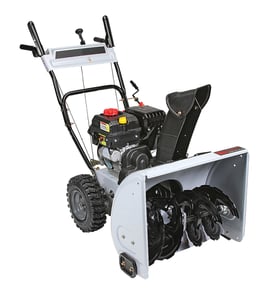



How to read Craftsman snowblower serial number?
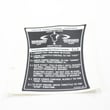
On Craftsman snow thrower model 247883950, the serial number is on the product identification label (ID tag) attached to the machine. We use that serial number to identify the production run and match the correct parts and specifications for your unit.
Check these common ID-tag locations first (they are the most typical for Craftsman snowblowers):
- Rear of the unit near the axle area, between the rear wheels
- Back side of the metal base or frame
- Lower rear panel behind the engine
- Side of the auger housing near the front (less common)
For the exact label location and what the tag looks like, use the 247883950 owner's manual.
The ID tag usually includes both a model number and a serial number.
- Model number: Identifies the design family (for this unit, 247883950)
- Serial number: Identifies your specific unit’s build sequence
- Date code (if shown): Helps narrow down the production period
| Item on label | What it tells you | Why you need it |
|---|---|---|
| Model number | Which snowblower design you have | Ensures diagrams and parts lists match |
| Serial number | Which production run your unit came from | Helps confirm correct part revisions |
| Engine model (sometimes separate) | Which engine is installed | Helps match engine parts and tune-up items |
Craftsman snowblowers can use different part versions across production runs. Having the serial number helps us match items like shear pins, cables, and chute components to the exact configuration on your 247883950.
- Wipe the label clean and use a flashlight to reduce glare
- Write it down exactly as printed (include letters, dashes, and leading zeros)
- Take a clear photo for reference before ordering parts
Last updated: January 2026
What is the most common problem with snow blowers?
The most common problem with snow blowers is a no-start or hard-start condition caused by fuel and ignition issues (especially old fuel, a dirty carburetor, or a worn spark plug). On the Craftsman 247883950, the next most common issues are auger jams and augers not turning due to sheared shear pins.
- Use fresh gasoline and the correct cold-start steps (choke and primer) from the 247883950 operator's manual.
- Verify the engine stop key is installed; the engine will not start without the key.
- Check the spark plug condition and connection.
- Clear packed snow and ice from the auger and impeller area (engine off, key removed).
- If the augers will not turn, inspect and replace broken shear pins with the correct replacements.
| Symptom | Most common cause | What to do first |
|---|---|---|
| Engine will not start | Stale fuel or varnished carburetor | Drain old fuel, refill with fresh fuel; then try proper choke/prime procedure |
| Starts then dies | Fuel restriction or incorrect choke setting | Move choke toward RUN as it warms; check fuel flow |
| No ignition | Spark plug issue | Inspect/clean/replace spark plug; confirm wire is firmly seated |
A very common “it runs but won’t throw” complaint is a sheared pin after hitting ice, a curb, or debris. The augers are designed to stop by shearing the pins to protect the gearbox.
- Shut the engine off and remove the key.
- Check for missing or broken shear pins and cotter pins.
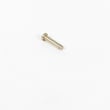
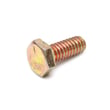
- Replace with the correct shear pins; for this model, use Craftsman snowblower shear pin 738-04124A (do not substitute harder bolts).
Starting issues and sheared pins are common because they are tied to storage habits (fuel aging) and normal winter impacts (ice and hidden objects). Fixing these early prevents drive system wear and helps protect the auger gearbox.
Last updated: January 2026
Is it worth fixing a snowblower?
Fixing a Craftsman snow thrower like model 247883950 is worth it when the problem is a normal wear item (shear pins, cables, belts, oil service) and the total repair cost stays well under the price of a replacement. It is usually not worth it when the engine or major drivetrain parts are failing and the machine is already at the end of its expected service life.
Use these quick checks before you buy parts:
- Compare cost: If parts plus labor are under ~50% of a comparable new snowblower, repair is the better value.
- Check expected life: The operator guidance for this product family cites an average useful life of 7 years or 60 hours; after that, plan on more frequent wear and safety inspections. See the 247883950 owner's manual.
- Identify the failure type: Wear items are usually a good fix; major assemblies usually are not.
- Confirm it is safe to run: Check for fuel leaks, loose hardware, and proper control engagement before investing in repairs.
These repairs are typically low-cost and restore performance quickly:
- Replacing a broken auger shear pin (use the specified type): Craftsman snowblower shear pin 738-04124A
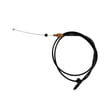
- Adjusting or replacing a stretched or damaged clutch cable
- Oil change, spark plug check, and fuel system cleanout before storage
- Replacing worn scraper blade or skid shoes (common wear on paved drives)
These issues often push the repair cost close to replacement value:
- Engine replacement or major internal engine damage
- Gearbox or drive system failures that require special tools and multiple teardown steps
- Repeated breakdowns plus multiple worn assemblies at the same time
| Situation | Repair makes sense | Replace makes sense |
|---|---|---|
| Machine age/use | Under 7 years or under 60 hours | Past 7 years or heavy hours |
| Problem type | Shear pins, cables, belts, routine maintenance | Engine, gearbox, major drivetrain |
| Total cost | Under ~50% of new | Over ~50% of new |
A snowblower is designed to protect expensive components by sacrificing cheaper parts (for example, shear pins can break if the auger hits ice or debris). Fixing those “sacrificial” parts restores operation and helps prevent bigger failures.
Last updated: January 2026