 Error Codes
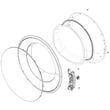



How to replace GE dryer sensor?
On the GE PFD87ESPV0RS electric dryer, the “sensor” most people mean is the moisture sensor circuit (sensor bars inside the drum) or the sensor wiring; replacement typically involves unplugging power, opening the front area to access the harness, and swapping the sensor-related part without changing any heater wiring.
Before you start (safety and prep)
- Unplug the dryer or switch off the breaker; this is a 240-volt appliance.
- Let the dryer cool completely.
- Protect the floor and drum edge; sheet metal can be sharp.
- Take photos of every connector before you remove it.
- If you smell burning or see melted wiring, stop and have the dryer inspected.
Identify which “sensor” you need to replace
On this GE model, sensor-related issues usually fall into one of these buckets:
- Moisture sensor not detecting (auto cycles end too soon or run too long)
- Loose or damaged sensor wiring (intermittent operation)
- Control not reading sensor input (less common; board-related)
Quick symptom-to-part guide
| Symptom | Most likely cause | What we check first |
|---|---|---|
| Auto cycle ends early, clothes damp | Dirty sensor bars | Clean sensor bars with rubbing alcohol |
| Auto cycle runs long | Poor airflow | Lint screen, venting, blower path |
| Intermittent sensor behavior | Harness/connector issue | Inspect and reseat sensor wiring |
Basic replacement approach (typical GE front-load dryer)
- Disconnect power.
- Remove the top panel (rear screws) and/or front access as needed.
- Locate the moisture sensor wiring and connector.
- Disconnect the harness, release any clips, and remove the sensor-related component.
- Install the replacement, route wiring exactly as before, and reconnect firmly.
- Reassemble panels, restore power, and test an auto cycle.
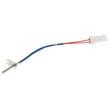
If your issue is the sensor wiring itself, the correct model-matched part to consider is the sensor rod harness WE08X29688.
Why it matters
A working moisture sensor helps the PFD87ESPV0RS stop at the right time, preventing overdrying (extra wear and energy use) and underdrying (damp loads). Many “sensor failures” are actually caused by residue on the sensor bars or restricted airflow.
Last updated: February 2026
Where to find part number on GE dryer?
On your GE electric dryer model PFD87ESPV0RS, the model and serial tag (which is what you use to look up the correct replacement part numbers) is typically located on the inside of the dryer door opening, on the door frame, or just behind the door. Once you have that tag info, we can match parts precisely.
Where to look first (fast checklist)
- Open the dryer door and check the door frame on the cabinet
- Check the inside edge of the door itself
- Look along the front panel opening near the lint screen area
- If you do not see a sticker, look for a metal rating plate instead of a paper label
- Write down the full model number and serial number exactly as shown
What you are actually looking for
Most GE dryers do not print a “part number list” on the machine. The tag usually shows:
- Model number (example: PFD87ESPV0RS)
- Serial number
- Sometimes an MFG date or code
Quick ID guide
| Label item | What it’s used for | Example |
|---|---|---|
| Model number | Ensures parts fit your exact dryer design | PFD87ESPV0RS |
| Serial number | Helps confirm production run and revisions | Varies |
| Part number | Found on the part itself or in parts lookup | WE16X32537 |
If you already have the model number
If your goal is to find the part number for a specific item, use the symptom or the part name and match it to your PFD87ESPV0RS parts list. Common examples:
- Missing or damaged lint filter: dryer lint screen WE16X32537
- Dryer will not start when the door closes: door switch WE04X34281
- Loud squeal or thump while tumbling: dryer idler assembly WE03X30657
Why it matters
GE often uses similar-looking parts across multiple dryer series. Using the exact PFD87ESPV0RS model tag prevents ordering a control board, heater assembly, or door hardware that looks right but does not fit or wire up correctly.
Last updated: February 2026
What is the average lifespan of PFD87ESPV0RS?
A GE electric dryer like model PFD87ESPV0RS typically lasts 13 years with normal household use and proper venting. Regular lint removal and fixing wear items early (like drum support parts) helps you reach that lifespan and avoid overheating-related shutdowns.
What affects dryer lifespan most
- Vent restriction (long runs, crushed flex duct, clogged hood) increases heat and wear
- Lint buildup in the lint screen area and blower housing reduces airflow
- Overloading strains the drive motor and drum supports
- Heat cycling from failed thermostats can shorten heater life
- Worn drum support parts can cause belt slip, noise, and longer dry times
Quick maintenance checklist (high impact)
- Clean the lint screen every load; replace a damaged screen with the dryer lint screen WE16X32537.
- Inspect and clean the vent path (dryer outlet to exterior hood) at least yearly.
- Keep loads balanced; avoid packing bulky items tightly.
- If dry times increase, address airflow first before replacing electrical parts.
- If you hear squealing or thumping, check drum support and idler components.
Common wear items and what they do
| Symptom | Likely wear area | Example part for PFD87ESPV0RS |
|---|---|---|
| Squealing, belt slip | Idler/tension system | Dryer idler assembly WE03X30657 |
| Poor airflow, lint leaks | Lint screen or housing area | Dryer lint screen WE16X32537 |
| No heat or overheating trips | Heater/temperature control | Dryer heater assembly WE11X29790 |
Why it matters
A dryer can run for years past its average lifespan, but restricted airflow and ignored noises usually turn into bigger failures (heater damage, motor strain, or drum support wear). Keeping airflow strong is the single best way to protect performance and longevity.
Last updated: March 2026





