Owner’s manual
 View engine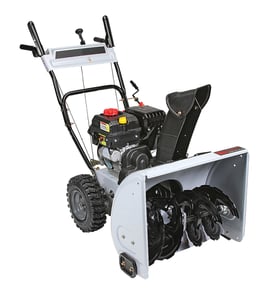


What is the typical lifespan of a gas snowblower?
A typical gas snowblower lasts 10 to 20 years with normal residential use and consistent maintenance. For your Craftsman 944525412 snow thrower, following the maintenance and storage steps in the owner's manual is what most directly determines whether you land closer to 10 years or closer to 20.
What extends the life the most
- Change engine oil every 25 hours of operation or at least once a year
- Check belts for wear about every 50 hours and replace if they slip
- Replace the spark plug at the start of each season or every 100 hours
- Keep the housing clean; avoid spraying water into the engine area
- Store it clean and dry; prep for storage if it will sit 30 days or more
Quick maintenance intervals (typical for this model)
| Item | When to do it | Why it matters |
|---|---|---|
| Engine oil | Every 25 hours or yearly | Prevents accelerated engine wear |
| Belts | Inspect every 50 hours | Worn belts slip and overwork pulleys/idlers |
| Spark plug | Each season or every 100 hours | Improves starting and running quality |
| Cleaning | After each use | Reduces corrosion and freeze-up |
Signs it is nearing end-of-life
- Hard starting even with fresh fuel and a good spark plug
- Excessive vibration, grinding, or recurring drive/auger issues
- Frequent belt problems or repeated shear/drive component failures
- Rust-through on the auger housing or frame damage
Why it matters
A snowblower usually gets replaced early because of neglected oil changes, poor off-season storage, or running with worn belts. Keeping up with the basics protects the engine, drive system, and auger components so the machine stays dependable in heavy snow.
Last updated: February 2026
Should I spray my snowblower with WD-40?
Yes, you can use a light spray on the snow-contact areas of your Craftsman 944525412 snow thrower (mainly the discharge chute and inside the auger housing) to help reduce sticking and clogging; keep it off belts, friction-drive parts, and hot engine or muffler surfaces. For model-specific safety and cleaning steps, follow the owner's manual.
Where it helps (and where it causes problems)
Use a light coating only on slick, non-drive surfaces.
Good places to apply a light spray
- Discharge chute interior (helps snow slide)
- Chute deflector surfaces
- Auger housing interior (light coat only)
Avoid spraying these areas
- Belts and belt cover area (spray can cause slipping)
- Friction disc and drive plate area (loss of drive)
- Electrical components and switches
- Carburetor, air intake, and muffler area
- Any surface that is hot or near open flame
Safer routine to prevent clogs (what we recommend)
The manual emphasizes safe shutdown before cleaning or inspecting, and it also recommends running the machine a few minutes after throwing snow to help prevent freeze-up.
- Shut the engine off and wait for all moving parts to stop before you work around the chute or auger
- Clear clogs with a clean-out tool, not your hands
- After use, run the snowblower a few minutes to reduce freeze-up
- Clean the outside after each use; avoid washing with a garden hose unless sensitive areas are protected from water
Quick comparison: WD-40 vs silicone spray vs dry wax
| Option | Best use | Main drawback |
|---|---|---|
| WD-40 type water-displacing spray | Short-term slicking of chute surfaces | Can attract dirt, can contaminate drive components if oversprayed |
| Silicone spray | Chute and deflector anti-stick | Overspray still causes belt or friction-drive slip |
| Dry wax or polymer spray | Longer-lasting anti-stick on chute | Needs clean, dry surface for best results |
Why it matters
Overspray onto belts or friction-drive parts is a common reason a snowblower starts slipping or stops driving properly. Keeping sprays limited to the chute and auger housing helps performance without creating new drive problems.
Last updated: February 2026
Is it worth fixing a snowblower?
Yes, it’s worth fixing a Craftsman snow thrower model 944525412 when the problem is a normal wear item or adjustment and the total repair cost stays well below the price of a comparable replacement. It’s usually not worth it when the machine has repeated major drivetrain damage or severe structural wear.
Quick decision checklist
- If it starts and runs well, repairs like belts, cables, and chute parts are typically worth doing.
- If it has abnormal vibration, stop and inspect before deciding; vibration is a warning sign of damage.
- If it struck a foreign object, shut it down and inspect for bent auger/impeller parts before restarting.
- If the repair is mostly fasteners or small hardware, fixing is usually cost-effective.
- If the gearbox, auger housing, or frame is damaged, compare parts cost plus labor time to replacement value.
Common “worth fixing” repairs on this model
These are typical repairs that restore performance without rebuilding the machine:
- Replace a worn auger belt (common wear item): husqvarna snowblower auger belt 501818202
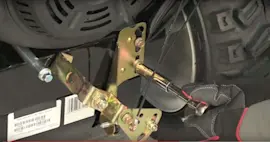
- Fix chute control issues (binding, poor rotation, weak return): inspect the chute cable and springs
- Replace damaged chute components after impact: husqvarna snowblower discharge chute assembly 588077803
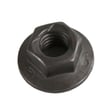
- Address loose hardware that causes rattles or misalignment: lock nut 532409149
Cost-to-value guide (simple rule)
Use this as a fast way to decide.
| Repair type | Typical effort | Usually worth it? |
|---|---|---|
| Belt, cable, spring, fasteners | Low | Yes |
| Chute assembly or control parts | Medium | Often |
| Gearbox or major auger/drive teardown | High | Only if the rest of the unit is in great shape |
| Structural damage (housing/frame) | High | Usually no |
Why it matters
A snowblower that vibrates, has auger/impeller damage, or has loose drivetrain parts can fail suddenly and create a safety risk. The owner's manual calls out stopping the engine, disconnecting the spark plug wire, and inspecting for damage after hitting a foreign object, and treating abnormal vibration as a warning of trouble.
Last updated: February 2026
How to tell year of Craftsman snowblower by serial number?
You can usually determine the build year of your Craftsman snow thrower by decoding the serial number format used on the ID decal. On model 944525412, the model and serial number decal is attached to the rear of the snow thrower housing; use the decoding steps in the owner's manual to locate and record the serial number correctly.
Where to find the serial number on model 944525412
Look for the ID decal on the rear of the snow thrower housing.
Before decoding, we recommend:
- Write down the full model number (944525412) and the full serial number
- Copy it exactly, including any letters
- Take a clear photo of the decal for reference
How Craftsman serial numbers commonly encode the year
Craftsman snowblowers have been produced by different manufacturers over the years, so the serial number format is not always identical. These are the two most common patterns customers run into:
- Format A (character-based date code): a specific character position in the serial number represents the year within a decade
- Format B (MTD-style date code): the first portion of the serial number encodes month, day, and year within a decade
- If your serial number includes letters mixed with numbers, it often indicates a coded month and year
- If it is all digits, it may use a numeric date block near the beginning
Quick decode checklist (what to look for)
Use this checklist to identify which decoding approach fits your serial number:
- Does the serial start with a letter? (often indicates a coded month)
- Is there a single digit that could represent the year in a decade (for example, 1, 4, 9)?
- Do the first 4 to 6 characters look like a date pattern (month/day/year)?
- Is there a separate engine code on the engine itself (engine date can help confirm the snowblower’s era)
Example: what “year in the decade” means
A single digit used as a year code typically maps like this:
| Year code digit | Possible build years |
|---|---|
| 1 | 2001, 2011, 2021 |
| 4 | 2004, 2014, 2024 |
| 9 | 2009, 2019 |
Why it matters
Knowing the approximate year helps you match the correct parts diagrams and replacement parts (especially for wear items like belts, chute components, and auger hardware). For example, if you are servicing the auger system, the parts list for model 944525412 includes items like the Craftsman weld auger 587191001 and the husqvarna snowblower auger housing 581708399.
Last updated: February 2026