 Owner’s manual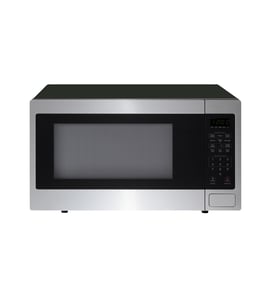



Are all GE over the range microwaves the same size?
No. GE over-the-range microwaves are not all the same size; many are designed for a 30-inch cabinet opening, but height and depth can vary by model. Since GE JES2051DN2BB is a countertop microwave (not over-the-range), use the exact cutout and clearance specs in the JES2051DN2BB owner’s manual when comparing replacements.
What’s typically the same (and what isn’t)
Most over-the-range (OTR) microwaves are built to fit common cabinet widths, but the other dimensions and mounting details can change.
- Width: commonly designed around a 30-inch cabinet opening
- Height: varies; affects cabinet clearance above the range
- Depth: varies; affects how far the unit sticks out past cabinets
- Mounting pattern: can differ; bracket and bolt locations are not universal
- Venting setup: can differ (recirculating vs. outside venting options)
How to choose the right replacement size
We recommend matching the installation footprint and clearances, not just the advertised width.
- Measure the existing microwave’s width, height, and depth.
- Confirm cabinet opening width and space to upper cabinets.
- Check the replacement’s required top and rear clearances.
- Verify venting direction and duct alignment if you vent outside.
Quick comparison checklist
| Item to match | Why it matters | What to check |
|---|---|---|
| Cabinet opening width | Ensures it physically fits | 30-inch opening is common for OTR |
| Height | Prevents interference with cabinets | Space above the range |
| Depth | Prevents door and cabinet conflicts | Front projection and door swing |
| Mounting/venting | Avoids rework | Bracket, bolts, duct direction |
Why it matters
Even when two GE OTR microwaves are “30-inch models,” differences in height, depth, and mounting can turn a simple swap into a cabinet, vent, or bracket modification project.
Last updated: January 2026
Is the JES2051DN2BB easy to use?
Yes. The GE JES2051DN2BB is designed for straightforward everyday use with clear time and power controls, sensor and auto features, and simple options like control lock and beeper volume. Most owners can start cooking quickly by following the basic operating steps in the JES2051DN2BB owner’s manual.
What makes it easy to use
- Dedicated time and power level controls for common cooking tasks
- Sensor and auto features to reduce guesswork for reheating and cooking
- Child lock-out to prevent accidental starts (press and hold Clear/Off about 3 seconds)
- Adjustable beeper volume (levels 0 to 3)
- Display on/off option for the clock (press and hold 0 about 3 seconds when not cooking)
Quick “first week” setup checklist
- Place the microwave on a stable counter with vents unobstructed
- Plug it into its own grounded outlet for best performance
- Set the clock and confirm the display setting you prefer
- Choose a comfortable beeper volume level
- Practice changing the power level for gentler heating (useful for butter, chocolate, and leftovers)
Common controls and what they do
| Feature | What it helps with | When to use it |
|---|---|---|
| Power level | Prevents overcooking and splatter | Delicate foods, reheating, simmering |
| Sensor features | Automatically adjusts cook time | Reheat and cook programs where moisture sensing helps |
| Clear/Off lock | Prevents unintended use | Homes with kids, cleaning the keypad |
| Beeper volume | Reduces noise | Open floor plans, nighttime use |
Why it matters
Microwaves feel “hard to use” when the controls are noisy, confusing, or easy to start by accident. On the JES2051DN2BB, the lock-out, beeper settings, and sensor options make daily cooking more predictable and less fussy.
Last updated: January 2026
What's the average lifespan of a GE microwave?
A GE countertop microwave like model JES2051DN2BB typically lasts 8 to 10 years with normal household use. Lifespan depends most on how often it runs, how well it is kept clean, and avoiding overheating conditions that stress the magnetron.
What affects microwave lifespan the most
We see these factors shorten (or extend) service life:
- Running empty: Operating with no food for more than a minute or two can overheat internal components and shorten life (the manual warns this can damage the oven). See the JES2051DN2BB owner's manual.
- Poor airflow: Blocked vents trap heat and accelerate wear.
- Door and latch wear: Slamming the door can damage latch parts and interlock switches.
- Arcing (sparks): Metal or foil contact can cause arcing and damage the cavity and components.
- Heavy daily use: Multiple long cook cycles per day reduces lifespan versus light reheating.
Quick “is it worth fixing?” guide
If your JES2051DN2BB is near the 8 to 10 year mark, compare the symptom and likely repair scope.
| Symptom | Common area involved | Typical next step |
|---|---|---|
| Runs but does not heat | High-voltage circuit | Professional diagnosis recommended |
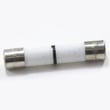
| Dead, no display | Power supply or fuse circuit | Check outlet, then diagnose |
| Starts when door moves, or stops when door is bumped | Door switches/latch | Inspect door switch system |
| Turntable not rotating | Turntable drive | Check coupler and motor |
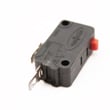
If the issue is door-related, a common wear item is the microwave primary interlock switch WB24X10047.
Maintenance that helps it reach the full lifespan
- Keep the cavity clean and wipe spills promptly.
- Use microwave-safe cookware only; avoid foil contact.
- Do not run the microwave empty.
- Make sure vents are not blocked and the unit has breathing room.
- Close the door gently to protect the latch and switch system.
Why it matters
Microwaves usually fail from heat stress, arcing damage, or door-switch wear. Preventing overheating and protecting the door/interlock system is the most reliable way to get a full 8 to 10 years from a GE countertop microwave.
Last updated: January 2026
What are common problems with GE Profile microwaves?
Common problems on GE countertop microwaves like model JES2051DN2BB include not heating, arcing/sparking, a dead display or unresponsive keypad, and door or latch issues that prevent starting. Many symptoms trace back to door interlock switches, power supply protection (fuse), or high-voltage heating components.
Most common symptoms and what they usually mean
- Runs but does not heat: often a high-voltage component issue (diode, capacitor, transformer, magnetron) or a door interlock problem.
- Starts then stops, or will not start: commonly a door switch/latch alignment issue.
- Sparking/arcing inside: usually food splatter, damaged waveguide cover, or metal contacting the cavity.
- Turntable not rotating: turntable motor or tray support problem.
- Light works intermittently or is out: bulb or socket connection.
Quick checks we recommend first (safe, no disassembly)
- Confirm the door closes firmly and the latch feels solid.
- Unplug for 2 minutes, then plug back in and try a simple Time Cook.
- Test with a cup of water (no metal, no foil) to confirm heating.
- Clean the cavity and door area; remove any baked-on splatter.
- If you notice TV/radio interference, try a different circuit; this can be normal per the JES2051DN2BB owner’s manual.
Parts that commonly fix “won’t start” or door-related problems
If the door is closed but the microwave will not run, these model-specific parts are common suspects:
| Symptom | Common area to inspect | Example part for JES2051DN2BB |
|---|---|---|
| Won’t start, door feels “off” | Door latch and interlock circuit | Primary/monitor switch |
| Turntable not turning | Turntable drive | Turntable motor |
| Light out | Lamp circuit | Light bulb |
Why it matters
Microwaves rely on door interlocks to prevent operation when the door is not fully latched. Heating complaints can also involve high-voltage components; those repairs require strict safety practices and are often best handled by a qualified technician.
Last updated: January 2026


