


How to tell the tonnage of a Carrier AC unit?
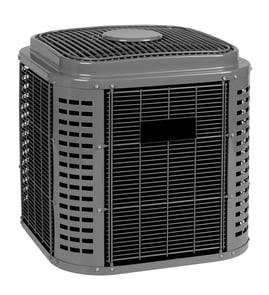
For Carrier model 25HBA324A0030010, you can tell tonnage by finding the cooling capacity encoded in the model number or printed on the unit’s rating label. In most Carrier model numbers, a two-digit group like 24, 30, 36, 42, 48, 60 indicates thousands of BTU per hour; divide by 12 to get tons.
Fast tonnage check (model number method)
Look for a two-digit capacity code in the model number on the data plate.
- 24 = 24,000 BTU/h = 2.0 tons
- 30 = 30,000 BTU/h = 2.5 tons
- 36 = 36,000 BTU/h = 3.0 tons
- 42 = 42,000 BTU/h = 3.5 tons
- 48 = 48,000 BTU/h = 4.0 tons
- 60 = 60,000 BTU/h = 5.0 tons
Most accurate method (rating label BTU method)
If the rating label lists capacity, use the label value.
- Find Cooling capacity (BTU/h) on the outdoor unit data plate
- Divide by 12,000
- Result is nominal tonnage
Quick formula table
| What you have | What to do | Example |
|---|---|---|
| Model code like “36” | 36 ÷ 12 | 3 tons |
| Capacity in BTU/h | BTU/h ÷ 12,000 | 30,000 ÷ 12,000 = 2.5 tons |
Why it matters
Tonnage affects comfort and equipment life. Matching the correct capacity helps your heat pump run proper cycle times, supports humidity control, and ensures you choose compatible replacement parts (electrical and refrigeration components).
If you are checking tonnage because the unit will not start
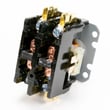
A no-cool or no-start issue is often electrical, not sizing. Common parts involved include the contactor and capacitor. If you are troubleshooting safely with power off at the disconnect, start with visual inspection and electrical testing.
- Pitted or buzzing contactor points
- Swollen or leaking capacitor
- Burnt wire terminals at the contactor
Helpful DIY testing guidance: how to use a multimeter to test electrical parts video
Last updated: February 2026
How much should a new 2.5 ton AC unit cost?
A new 2.5-ton central AC or heat pump system typically costs about $5,000 to $19,000 installed, depending on efficiency rating, brand tier, ductwork and electrical needs, and local labor rates. For Carrier model 25HBA324A0030010, replacement-part pricing is separate from full system replacement.
Typical cost breakdown (what you are paying for)
- Outdoor unit and/or matched system components (condenser, coil, refrigerant metering device)
- Labor (removal, setting equipment, brazing, evacuation, charging, startup)
- Electrical and controls (disconnect, whip, breakers, low-voltage wiring)
- Refrigerant work (line set flush or replacement, leak check)
- Permits and commissioning (required in many areas)
What pushes the price up or down
- Efficiency level (higher SEER2/HSPF2 systems cost more upfront)
- Whether it is AC-only vs. heat pump (heat pumps often cost more than straight AC)
- Ductwork condition (repairs, resizing, sealing, or replacement)
- Line set and coil compatibility (mismatched components can add parts and labor)
- Access and complexity (roof installs, tight clearances, long line runs)
Quick comparison table
| Scenario | Typical installed range | Notes |
|---|---|---|
| Basic replacement, existing ductwork OK | $5,000 to $9,000 | Most straightforward swap |
| Mid-tier efficiency, minor electrical/duct updates | $9,000 to $14,000 | Common “best value” range |
| High efficiency or major duct/electrical work | $14,000 to $19,000+ | Highest equipment and labor |
Why it matters
Sizing and system matching affect comfort, humidity control, and compressor life. A “cheap” install that skips proper airflow setup or refrigerant charging can lead to repeat failures and higher energy bills.
If you are repairing instead of replacing
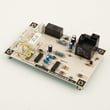
If your system is not cooling or will not start, a few common repair parts for this model include a contactor, capacitor, and control components. You can match symptoms to parts and order replacements from the parts list for your Carrier 25HBA324A0030010, such as the cntrl baord HK32EA001.
Last updated: February 2026
How many sq ft will a 2.5 ton AC unit cool?
A 2.5-ton central AC or heat pump like Carrier model 25HBA324A0030010 typically cools about 1,200 to 1,500 sq ft in average conditions. Real coverage depends on your climate zone, insulation, windows, ceiling height, and ductwork; correct sizing prevents humidity problems and short cycling.
Typical square footage range (what most homes see)
Use these as practical planning numbers, then confirm with a load calculation.
- Cooler or mild climates: up to about 1,500 to 1,800 sq ft
- Hot or humid climates: closer to about 1,200 to 1,500 sq ft
- Poor insulation or lots of sun exposure: expect the lower end of the range
- High ceilings or open floor plans: expect the lower end of the range
- Tight, well-insulated homes: can land toward the higher end
What changes the answer the most
These factors often shift sizing more than square footage alone:
- Insulation level (attic and walls)
- Window area and sun exposure (especially west-facing glass)
- Air leakage (drafts, unsealed penetrations)
- Duct sizing and duct leakage
- Indoor humidity targets and ventilation needs
Quick sizing snapshot
| Home situation | Typical 2.5-ton coverage | What you may notice if it’s wrong |
|---|---|---|
| Mild climate, good insulation | 1,500 to 1,800 sq ft | Oversized: short cycles, clammy air |
| Average conditions | 1,200 to 1,500 sq ft | Balanced comfort when sized correctly |
| Hot/humid, average insulation | 1,200 to 1,500 sq ft | Undersized: runs constantly, can’t keep up |
Why it matters
An oversized unit cools the air fast but removes less moisture, so the house can feel sticky. An undersized unit runs long, struggles on peak days, and can increase wear on electrical components like the contactor and capacitor.
Parts that commonly get stressed when sizing or airflow is off
If you are troubleshooting frequent cycling or hard starts on this model, these parts are commonly involved:
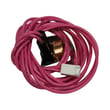
- Switch tmp HH18HA279 (temperature/limit style switch used for protection)
- Cntrl baord HK32EA001 (control board that manages operation)
- Central air conditioner contactor (part number HN51KC024)
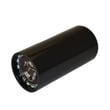
- Capacitor (part number P281-1766)
Last updated: February 2026
What is the life expectancy of a Carrier air conditioner?
Most Carrier central air conditioners and heat pumps, including model 25HBA324A0030010, last 15 to 20 years. In harsh climates or with heavy run time, lifespan trends shorter; with consistent maintenance and correct airflow, many systems reach the upper end of that range.
Typical lifespan ranges (what to expect)
| Equipment type | Typical life expectancy | What usually ends the run |
|---|---|---|
| Central air conditioner | 15 to 20 years | Compressor wear, coil corrosion, refrigerant leaks |
| Heat pump (like 25HBA324A0030010) | 15 years (often 15 to 20) | Reversing valve/compressor wear, defrost issues |
What shortens or extends lifespan
- Coastal or corrosive air can accelerate outdoor coil damage.
- Restricted airflow (dirty filter, blocked return, matted coil) raises operating temps and stress.
- Electrical wear (pitted contacts, weak capacitor) causes hard starts and overheating.
- Refrigerant problems (leaks, incorrect charge) reduce efficiency and can damage the compressor.
- Oversizing/short cycling increases starts per hour and wears components faster.
Maintenance that protects the system
- Replace/clean the air filter on schedule (most homes: every 1 to 3 months).
- Keep the outdoor coil clear; remove leaves, lint, and grass clippings.
- Confirm the condensate drain stays open during cooling season.
- Have a technician check refrigerant charge, amp draw, and temperature split annually.
- Inspect electrical components; a failing contactor or capacitor can be replaced before it causes bigger damage.
Parts that commonly affect reliability
If your outdoor unit is clicking, buzzing, short-cycling, or the fan struggles to start, these model-matched parts are common suspects:
Why it matters
Once a system approaches 15+ years, small efficiency losses and frequent repairs add up. Proactive maintenance and timely replacement of wear parts often prevents compressor damage, which is typically the most expensive failure.
Last updated: February 2026
Is it hard to get Carrier parts?
For the Carrier 25HBA324A0030010 heat pump (central air conditioner parts category), getting the right replacement part is usually straightforward when you match the model number and the failed component. The biggest delays happen when the exact OEM part is misidentified or when a less-common control or refrigeration component is needed.
What makes Carrier parts seem “hard to get”
- Model and serial matching matters: small model variations can use different electrical or refrigerant-side parts.
- Some parts are specialized: items like an accumulator are not as universal as common electrical parts.
- Electrical parts are common failure items: contactors and capacitors fail often, so they are frequently searched and sometimes temporarily constrained.
- Controls can be model-specific: control boards are less interchangeable than relays or switches.
- Diagnosis drives availability: ordering the wrong part creates the impression that parts are “hard to get.”
Parts we commonly see replaced on this model
If your outdoor unit will not start, hums, or short-cycles, these are common suspects for 25HBA324A0030010:
| Symptom | Common part type | Example part on this model |
|---|---|---|
| Outdoor unit will not pull in | Contactor | Contactor (part number HN51KC024) |
| Hums, hard-starts, trips breaker | Capacitor | Capacitor (part number P281-1766) |
| Cooling issues after compressor protection events | Refrigerant-side component | Central air conditioner accumulator KH71KJ141 |
| Overheat or temperature-related shutdown | Temperature switch | Switch tmp HH18HA279 |
| Odd behavior, no response, intermittent operation | Control board | Cntrl baord HK32EA001 |
How we recommend you confirm you are ordering the correct part
- Verify the full model number: 25HBA324A0030010 from the unit data plate.
- Identify the failed component (contactor, capacitor, control board, switch, accumulator).
- Compare the part listing details to what is installed (mounting style, terminals, wiring positions).
- For electrical diagnosis, use safe testing practices and a meter; see how to use a multimeter to test electrical parts video.
- If you are unsure on diagnosis, contact Sears PartsDirect support or use a qualified technician.
Why it matters
Central air conditioner and heat pump parts are not “one size fits all.” Correct identification prevents repeat downtime, protects the compressor and fan motor, and avoids ordering a part that fits a different Carrier configuration.
Last updated: February 2026